
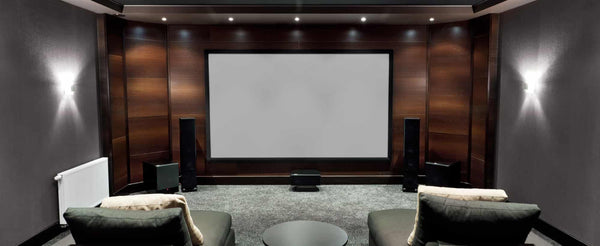
Oober Guide: Setting up an enviable Home Theater System

August 19, 2016
Oober Guide: Setting up an enviable Home Theater System
Published on  Updated on  
Setting up an enviable Home Theater System

You may have seen many images of beautifully designed home theater solutions on the Ooberpad website. We’re sure they give you plenty of ideas to design your very own personalised space and catch up on your list of movies.

With newer and cost-effective options, the idea of having your own home theater is getting even more accessible. After meticulous planning and research, you may have set up your own basic home theater in your living room or a spare room. However, due to lack of knowledge and inexperience, you may not be using your setup to it’s fullest capability.

We at Ooberpad have leveraged our knowledge and experience these basic tips to help you get more out of your home theater setup. Read more to learn these valuable tips.

Choose the right space

Make sure the space you choose is free from obstructions that can hamper your view. Opt for a rectangular space with a screen on one of the short walls (out of the 4 wall available). Aim to use the length of the rectangular space to your advantage. Smaller square-type rooms could lead to poor viewing angles and phase cancellation issues.

A good rule is to have fewer windows in the room as they let in light and reflect sound leading to poor performance. For rooms with big windows, use heavy curtains, drapes or blinds of darker hues to control inlet of light. Minimize reflective surfaces such as photo frames, glass panels. Other helpful reinforcements are carpeted floors, rugs, acoustic panels, padding, and insulation.

Screen size plays a key role

A good screen is a major prerequisite for home theater setups. Ideally, a specially designed home theater video projector with a dedicated projector screen is one of the best combination. If projectors are not an option, a good HD television should suffice. Don’t place the screen too close or too far from the viewer. Screen placement depends heavily on the sitting position of the viewer. The optimal viewing distance is roughly 1.5 to 2.5 times the diagonal width of the screen.

Get serious about sound

Skimping on sound reinforcement is a cardinal sin in home theater design. Invest in a smart sound system with a good AV receiver for an immersive home theater experience. Remember, your regular stereo speaker may not live up to your expectations. Do your research before buying your speaker system. Furthermore, spending on acoustic treatment or sound-proofing adds immensely to the aural experience. Follow instructions provided in your surround system manual for speaker placement and calibration. We cannot stress enough on the importance of a good home theater sound system.

Get comfortable seating

Comfortable seating accentuates the home theater experience. Ideally, recliners and lounge chairs work well. However, you can also opt for a plump or heavily-cushioned leather sofa work well too. Avoid seating arrangements that force users to sit upright as they may hamper visibility and become obtrusive.

Get some mood lighting

How to set up an enviable home theater system

You may have blocked out all-natural light coming via windows opening. However, you need some basic light to conduct regular functions and for general accessibility. Ideally, overhead lights, dimmers, and lighting controllers can help you create a cozy theater-like ambiance. If budget is a constraint, you can mimic a similar setting by opting for cost-effective and easily available smart LED bulbs that give you color and dimming control via your smartphone. Isn’t that a good hack?
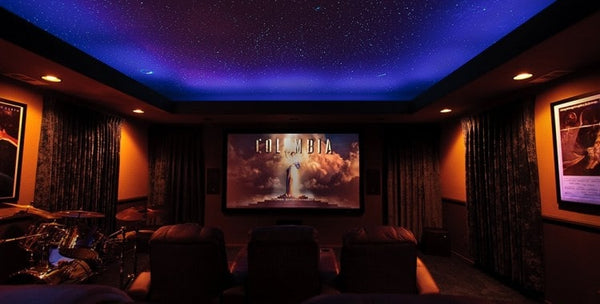
We hope you like these easy tips that can help you get an enviable Home Theater system. Here’s to your dream setup!

ORDER NOW at Ooberpad.com

Published on  Updated on  

Frequently Asked Questions

Q. Can you explain the difference between hi fi and hi end stereo systems for listening to music or watching movies at home

A.

The terms hi-fi (high-fidelity) and hi-end (high-end) are often used interchangeably by casual listeners, but they actually refer to two very different tiers of audio performance and system design. Understanding the distinction can help you make more informed choices when upgrading your home audio setup, whether it’s for immersive movie nights or serious music listening.

Hi-Fi: The Foundation of Quality Sound

Hi-fi systems are built with the goal of reproducing audio as faithfully as possible to the original recording. They offer clear, balanced sound without noticeable distortion, colouration, or artificial enhancements. Typically, a hi-fi setup includes components such as an AV receiver or stereo amplifier, bookshelf or tower speakers and source devices like CD players, turntables, or media streamers.

Hi-fi is considered the “mainstream” standard for audio quality, accessible to enthusiasts who want excellent performance without spending a fortune. Brands like Yamaha, Denon, KEF and others have strong reputations in this space. Hi-fi gear is often modular, meaning you can upgrade individual components over time without replacing the entire system.

Hi-End: Audio as an Artform

Hi-end audio goes several steps further. These systems are crafted with ultra-premium materials, cutting-edge engineering and obsessive attention to detail. The goal is not just faithful reproduction, but emotional realism—bringing out micro-details, spatial depth and dynamic nuance that make the experience truly lifelike. High-end systems tend to include specialised, often handcrafted components such as tube amplifiers, planar magnetic or electrostatic speakers and DACs (digital-to-analogue converters) with proprietary clocking mechanisms. Many high-end brands like McIntosh, Sonus faber, Dali, Devialet and others are boutique manufacturers with decades-long legacies.

It’s also worth noting that high-end systems often require careful room tuning, acoustic treatment and professional calibration to perform at their best. They’re typically aimed at connoisseurs who view audio not just as entertainment, but as a personal pursuit.

Which One Is Right for You?

Choose hi-fi if you want excellent, accurate sound without breaking the bank. It’s ideal for most homes, apartments and everyday music/movie lovers. Go hi-end if budget is less of a concern and you’re passionate about achieving the absolute best sonic experience possible—one that’s almost tactile in its realism.

So you could say all high-end systems are hi-fi, but not all hi-fi systems are high-end. The difference lies not only in price but in philosophy, design precision and the overall emotional impact of the listening experience.

Q. How do I make a music system?

A.

We're going to assume this means setting one up for personal use. Putting together a music system is often a function of intended usage, available space and your budget. With that in mind, let's try and outline 3 common scenarios where music systems are commonly used and how they can be set up.

Scenario 1: Home Music System for a Small Room

--> Purpose: Play music in a small room, such as a bedroom or office
--> Usage: Listen to music while working, relaxing or sleeping

Recommended Setup

1. Speakers: Choose compact speakers that can fit in a small room, such as bookshelf speakers or computer speakers
2. Audio Source: Use a computer, phone or dedicated music player to play music
3. Connection: Use a standard 3.5mm audio cable or USB/XLR/RCA (in case of an audio interface) to connect the audio source to the speakers

Scenario 2: Outdoor Music System for a Party

--> Purpose: Play music outdoors for a party or gathering
--> Usage: Play music for a group of people while they socialise or dance

Recommended Setup

1. Speakers: Choose outdoor speakers that are weather-resistant and can handle high volumes, such as outdoor bookshelf or portable BT speakers
2. Audio Source: Use a phone or music player to play music.
3. Connection: Use a wireless BT connection or a long audio cable to connect the audio source to the speakers.

Scenario 3: Home Theater System for a Mid-to-Large Room

--> Purpose: Create an immersive audio experience for movies or gaming
--> Usage: Watch movies or play games with high-quality audio

Recommended Setup

1. Speakers: Choose speakers designed for home theaters, such as surround sound speakers or floor-standing speakers
2. Audio Source: Use a Blu-ray player, gaming console or streaming device to play audio
3. Connection: Use HDMI cables or optical audio cables to connect the audio source to the speakers

It's always prudent to get in touch with experts who can consult, design and even set up the whole system for you in line with your listening goals. If you're going to do it yourself, beware of component choices (right down to the wire/cable you purchase) as audio devices are delicate and highly sensitive (espeically the more expensive they get) to the point where something seemingly trivial can make a day and night difference in sound quality.

Q. How do we choose the best home theatre system?

A.

Choosing the best home theater system involves considering several factors to ensure an immersive and enjoyable AV experience.

1) Room Size and Layout: The size and shape of your room will determine the type and number of speakers required for optimal sound distribution. Larger rooms may require more powerful speakers or additional surround sound components.
2) Budget: Home theater systems can range from affordable entry-level options to high-end setups. Determine your budget and prioritise the components that matter most, such as audio quality, video resolution or smart features.
3) Audio components: The centerpiece of any home theater is the audio system. Consider the number of channels (5.1, 7.1 etc,), speaker quality and amplifier power. High-quality speakers and a powerful amplifier can significantly enhance the audio experience.
4) Video components: For the best visual experience, look for a high-resolution display with support for 4K or even 8K resolution, HDR (High Dynamic Range) and a wide color gamut. The display size should be appropriate for your viewing distance with the general rule of thumb for it being roughly 1.6x the display diagonal.
5) Source devices: Decide if you need a Blu-ray player, streaming devices or gaming consoles. Look for devices that support the latest video and audio formats, such as Dolby Atmos or DTS:X.
6) Connectivity: Ensure that the components in your system are compatible and can be easily connected. HDMI cables are the standard for transmitting both audio and video signals.
7) Acoustics: Consider the room's acoustics and take measures to minimise sound reflections and echoes, such as using sound-absorbing materials or strategically placing speakers.
8 Installation and Setup: Proper installation and calibration are crucial for optimal performance. Consult professionals or follow manufacturer guidelines for speaker placement and system calibration.

This will enable you to choose a home theater system that meets your needs, budget and preferences, providing an exceptional AV experience for years to come.

Leave a comment

Please note, comments need to be approved before they are published.