Collection: Buy Pre-Amplifiers Online India

Explore premium pre-amplifiers for home theater systems. Enhance sound quality and achieve perfect audio performance with high-quality pre-amplifiers designed for an immersive cinematic experience.

Showing 22 of 22 products

Sort by:
Availability Reset
Price Reset
Price: 0 – 4,060,000.00
Filter and sort

Filter and sort

Showing 22 of 22 products

Availability
Price

Up to 4,060,000.00

Showing 22 of 22 products
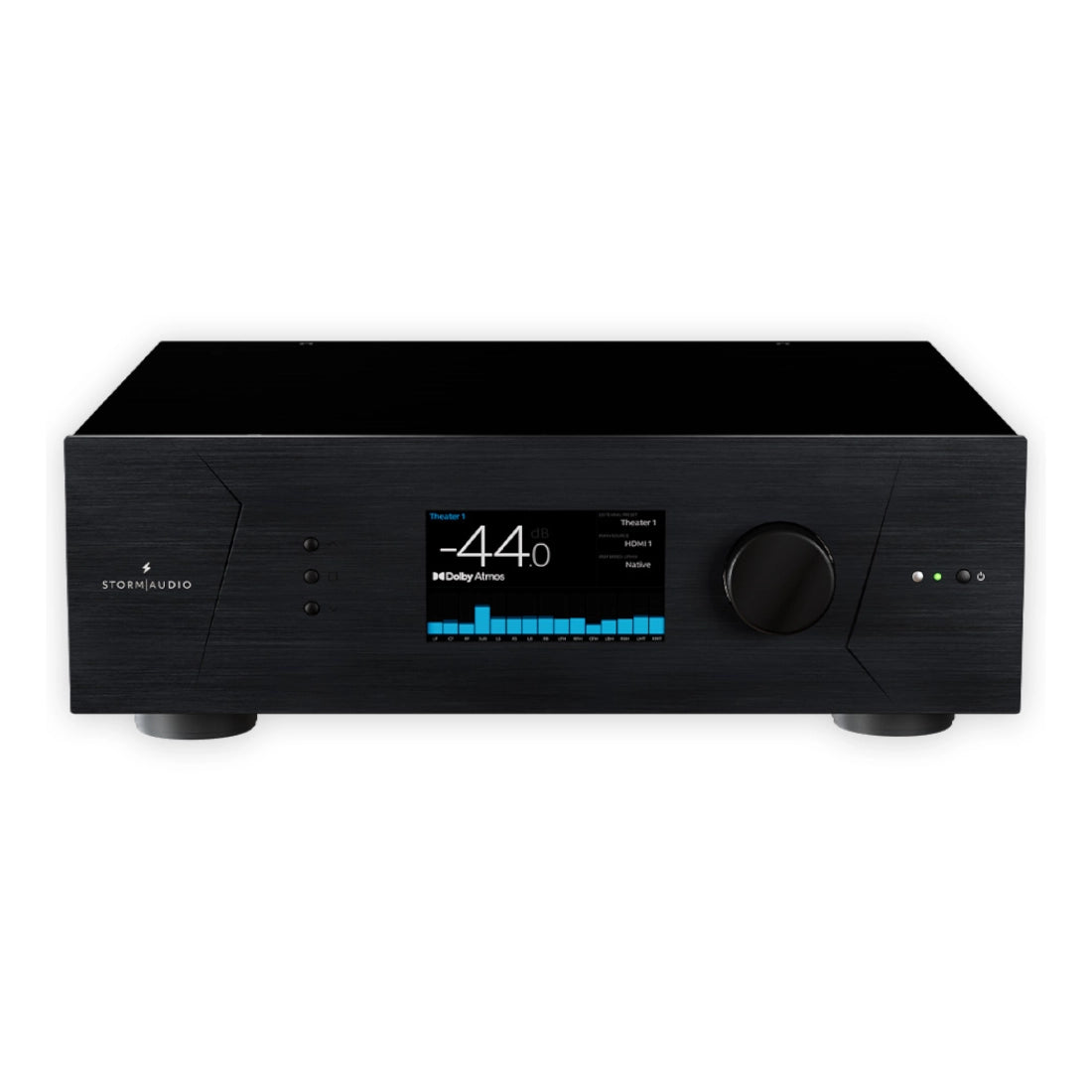
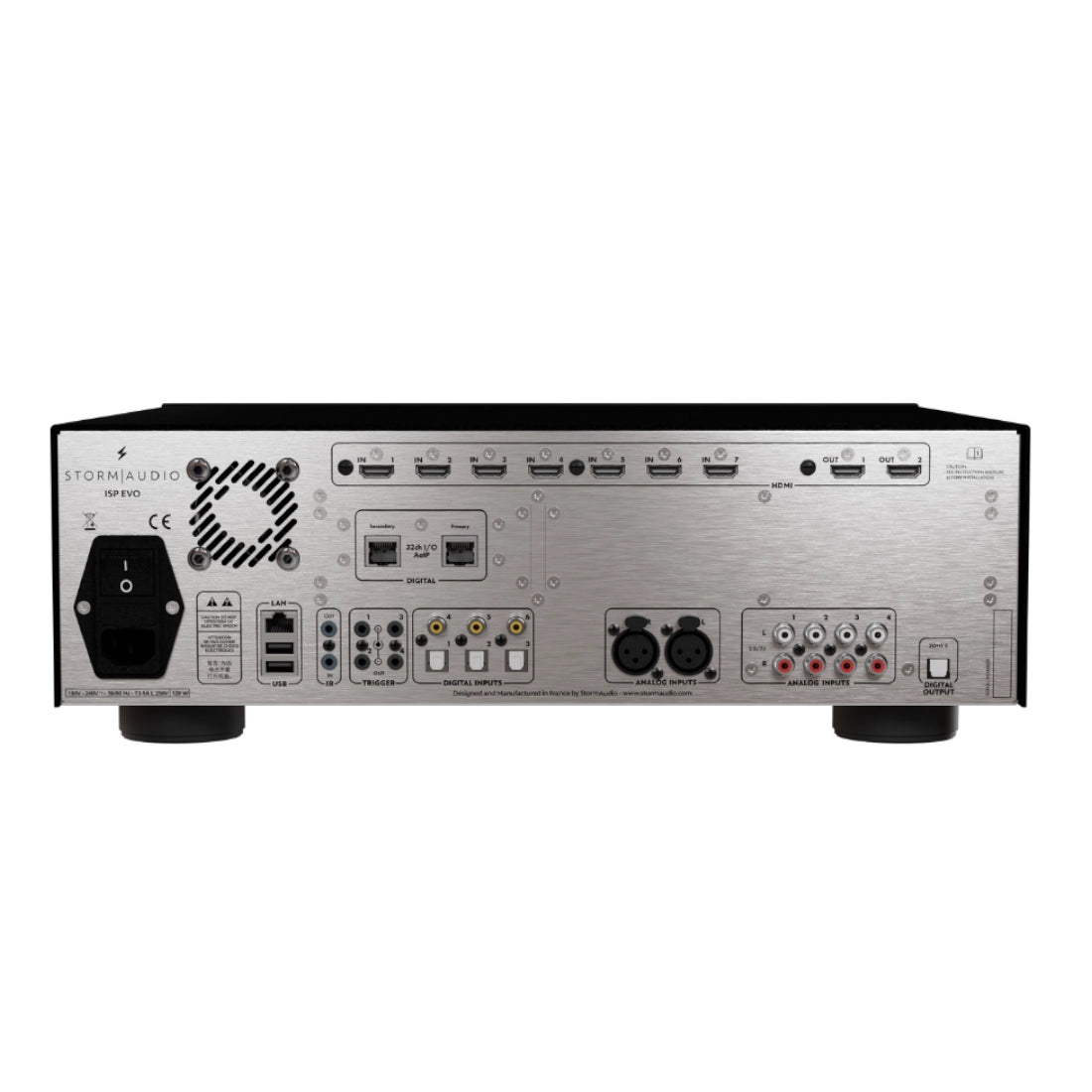
  • StormAudio - ISP Evo Fully-digital Sound Processor
    Vendor:
    StormAudio

    StormAudio - ISP Evo Fully-digital Sound Processor

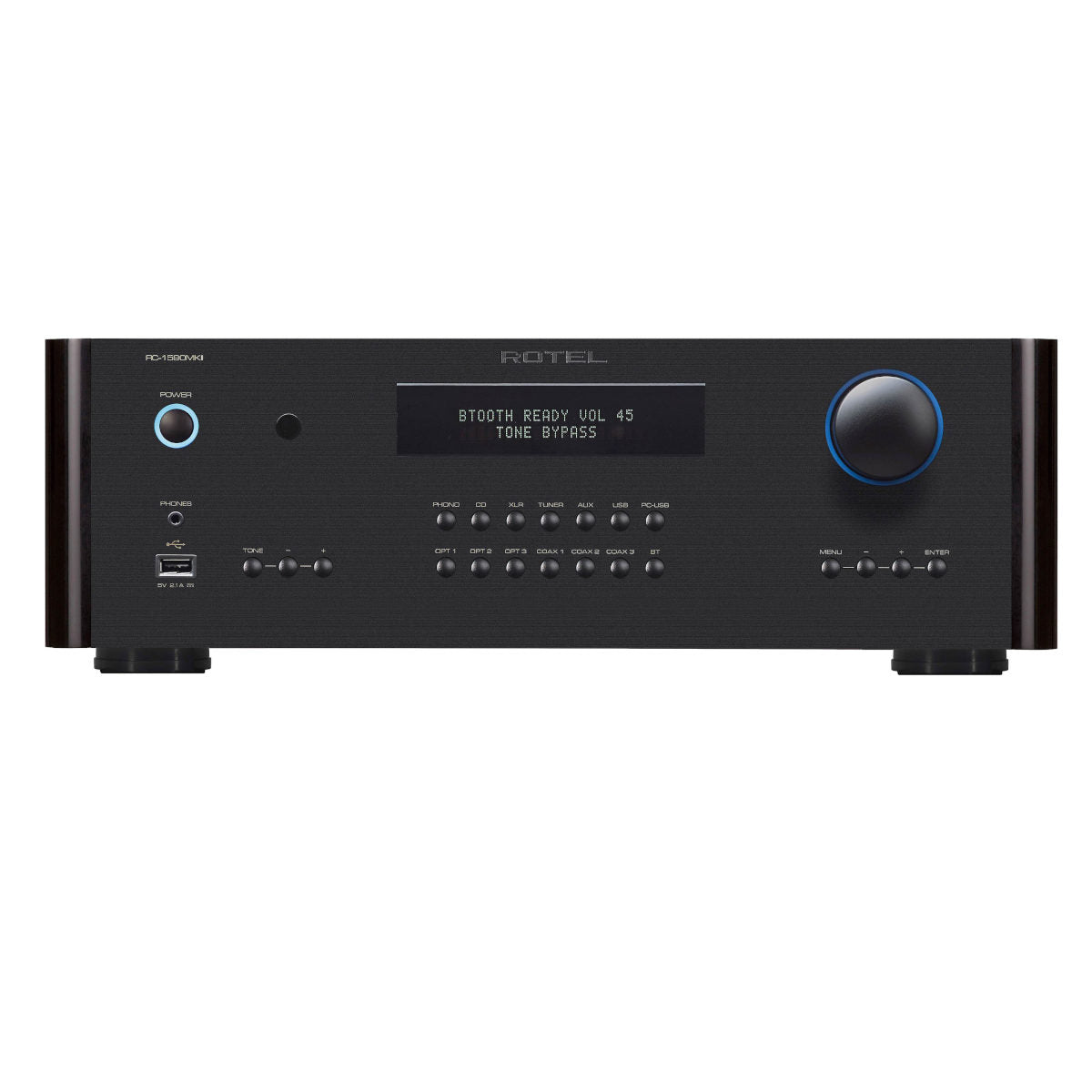
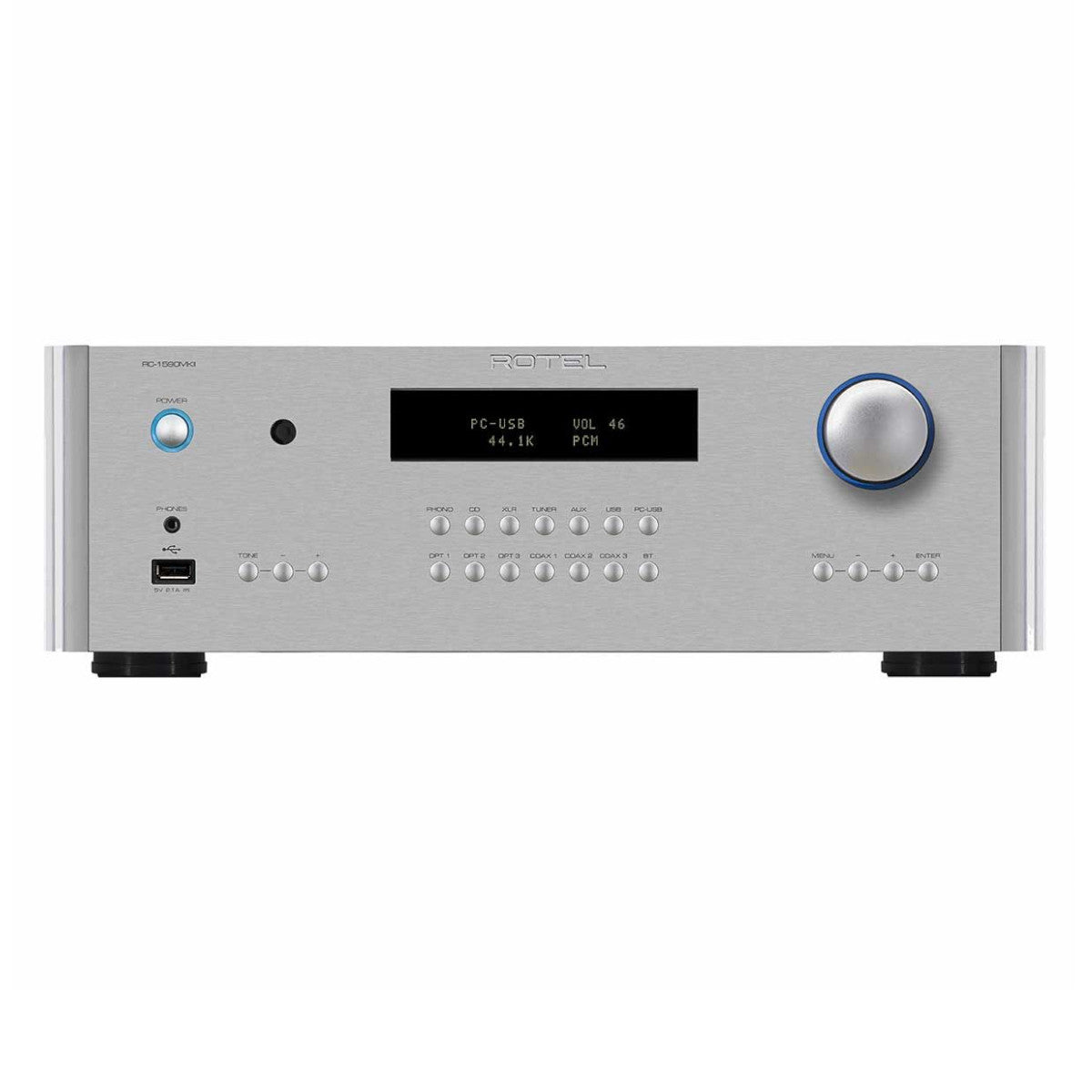
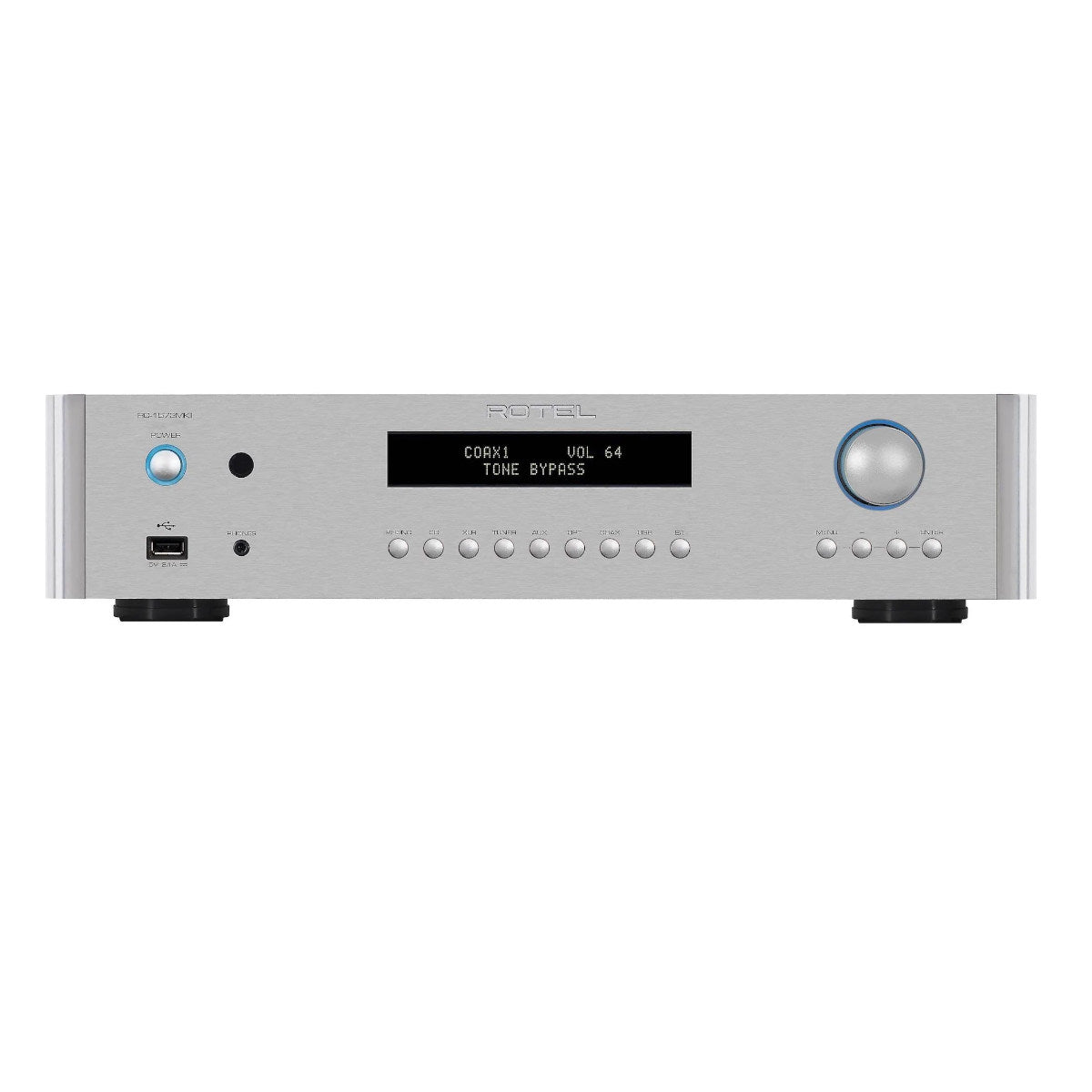
  • Rotel RC-1590 MKII Stereo Preamplifier
    Vendor:
    Rotel

    Rotel RC-1590 MKII Stereo Preamplifier

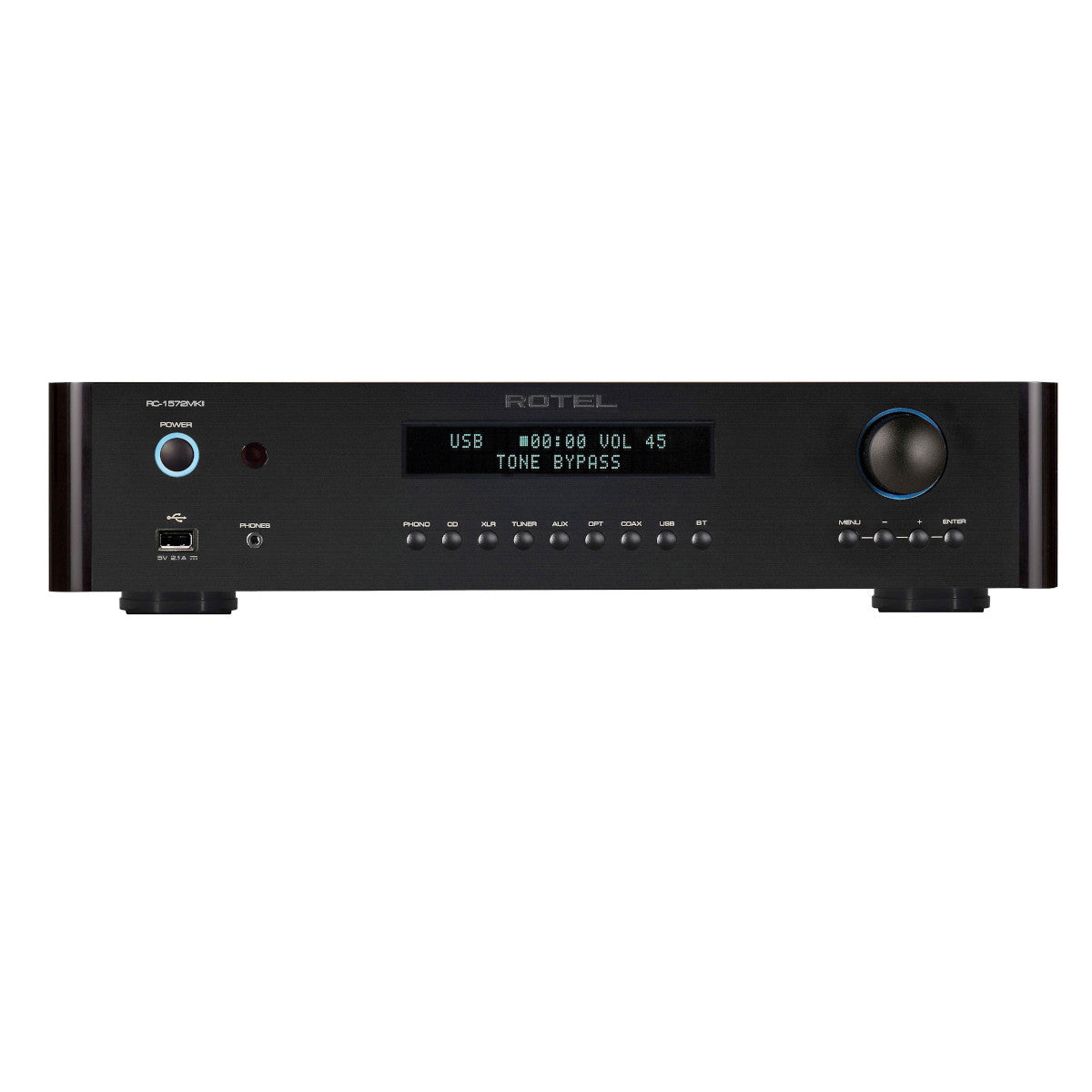
  • Rotel RC-1572 MKII Stereo Preamplifier
    Vendor:
    Rotel

    Rotel RC-1572 MKII Stereo Preamplifier

  • Marantz AMP 30- 6-Channel Power Amplifier
    Vendor:
    Marantz

    Marantz AMP 30- 6-Channel Power Amplifier

    Regular price
    549,900.00
    Sale price
    549,900.00
    Regular price
  • Marantz AV 30 - 11.4 Channel Balanced AV Preamplifier
    Vendor:
    Marantz

    Marantz AV 30 - 11.4 Channel Balanced AV Preamplifier

    Regular price
    549,900.00
    Sale price
    549,900.00
    Regular price
  • Parasound Zphono Phono Preamplifier
  • ParaSound NewClassic 200 Pre - Stereo Preamplifier & DAC
  • Marantz AV 20 - 13.4 Channel Balanced AV Preamplifier
    Vendor:
    Marantz

    Marantz AV 20 - 13.4 Channel Balanced AV Preamplifier

    Regular price
    799,900.00
    Sale price
    799,900.00
    Regular price
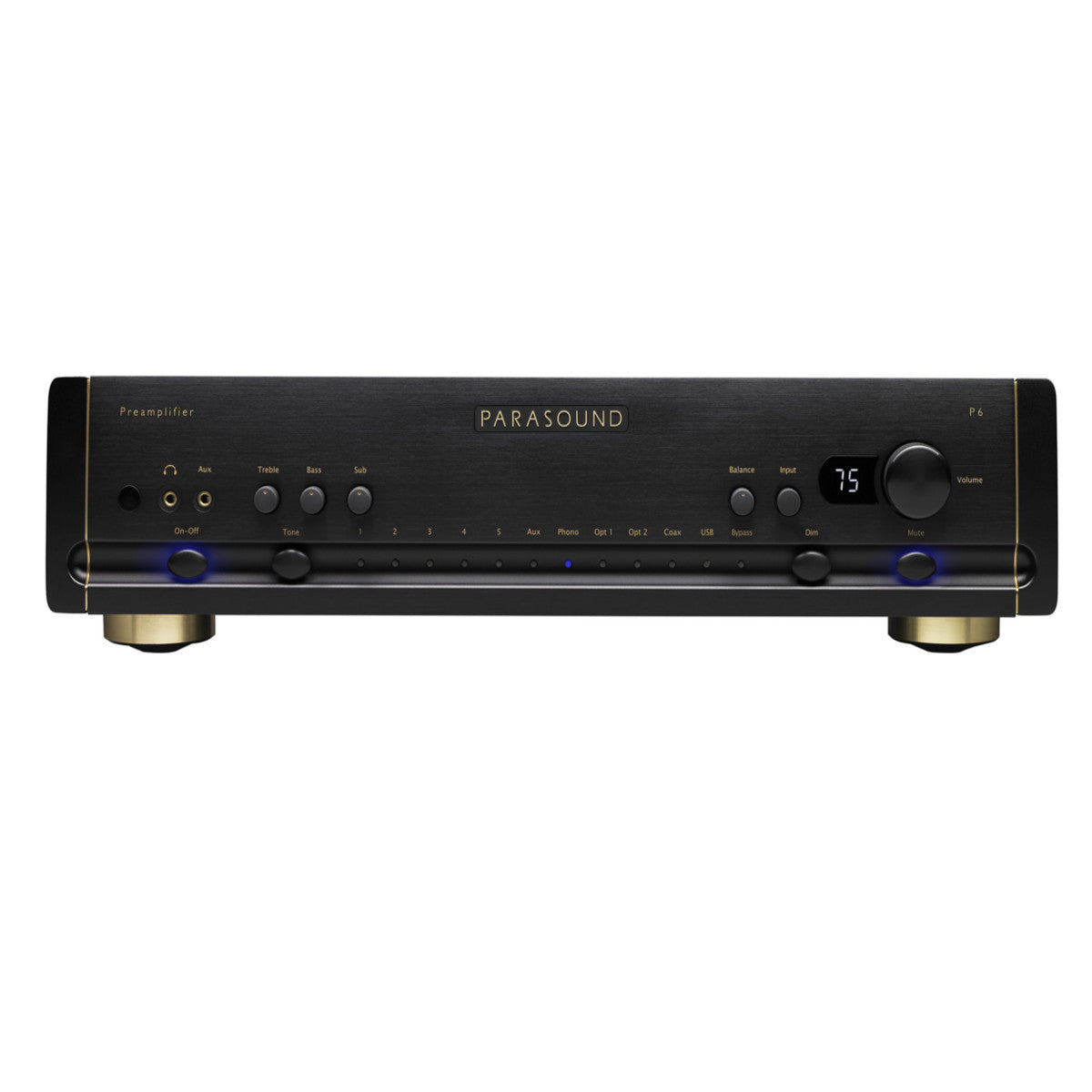
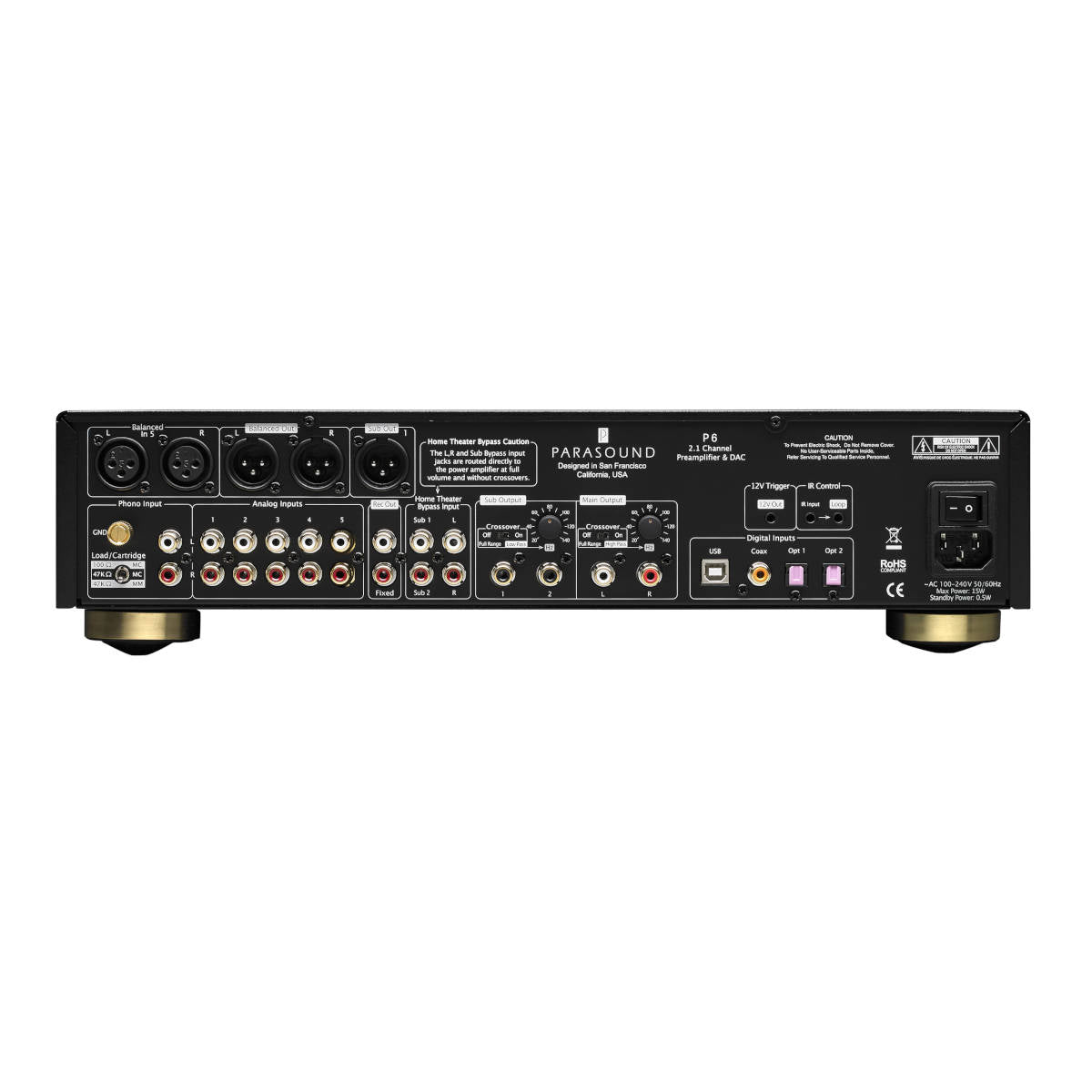
  • Parasound Halo P6 2.1 Channel Preamplifier & DAC
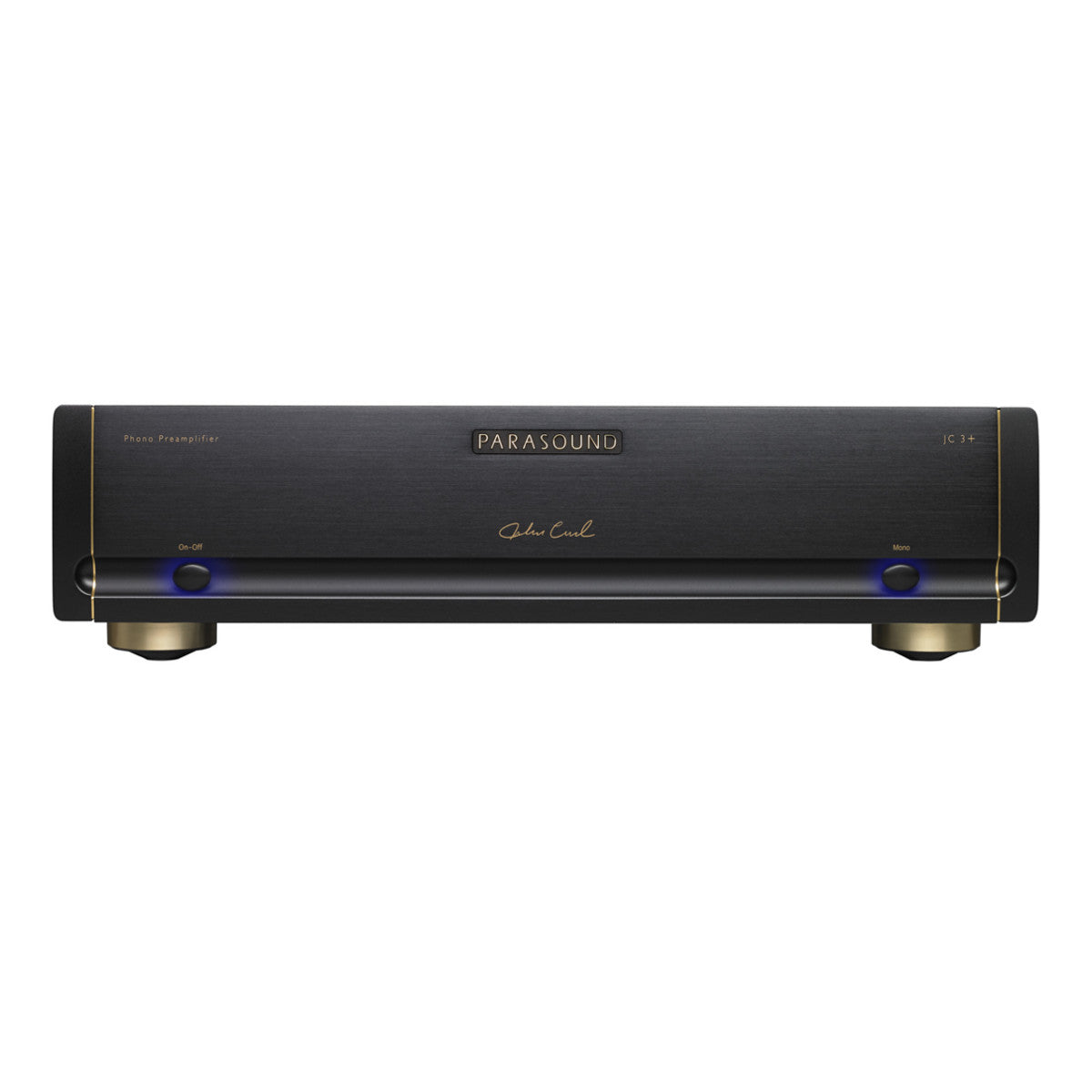
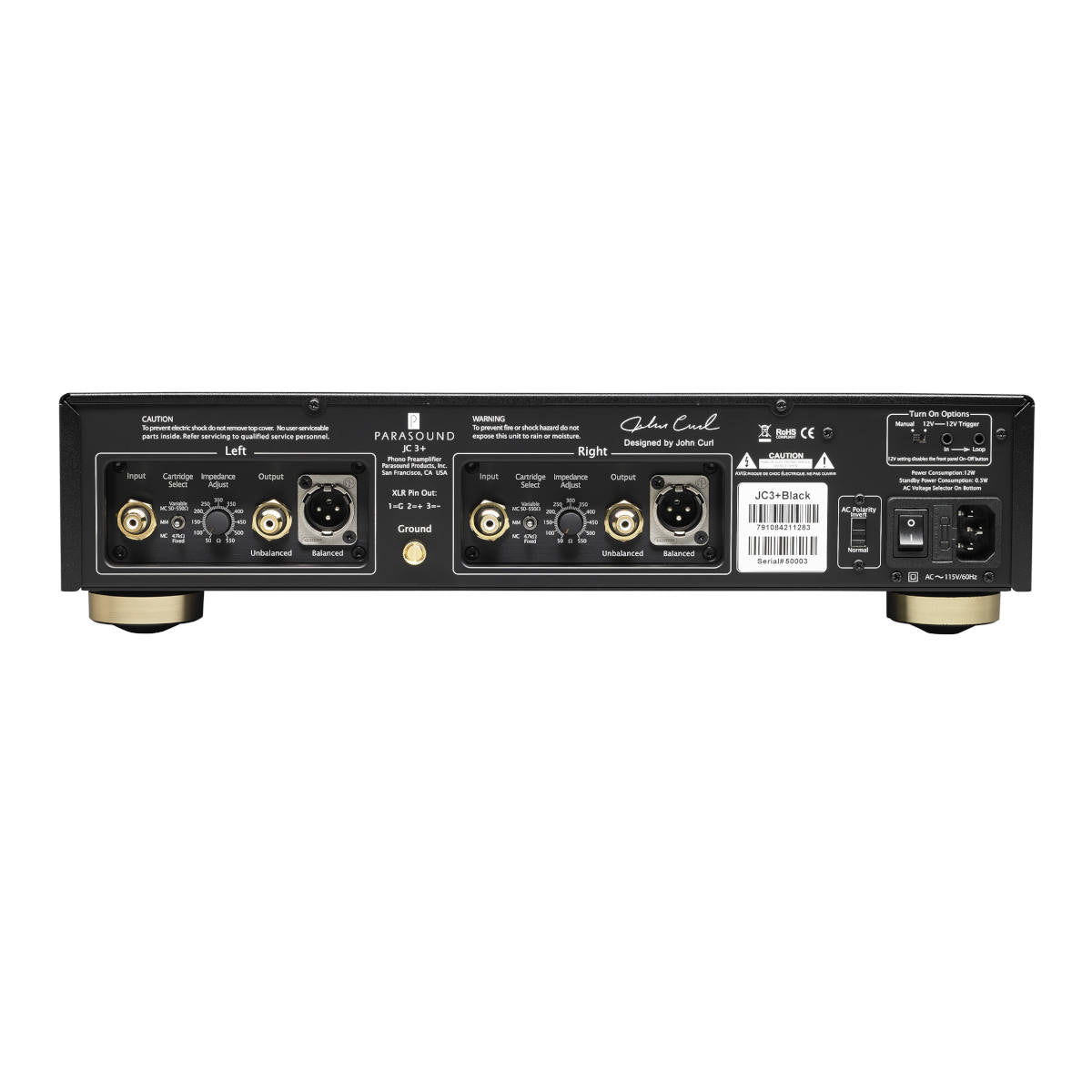
  • Parasound Halo JC 3+ Phono Preamplifier
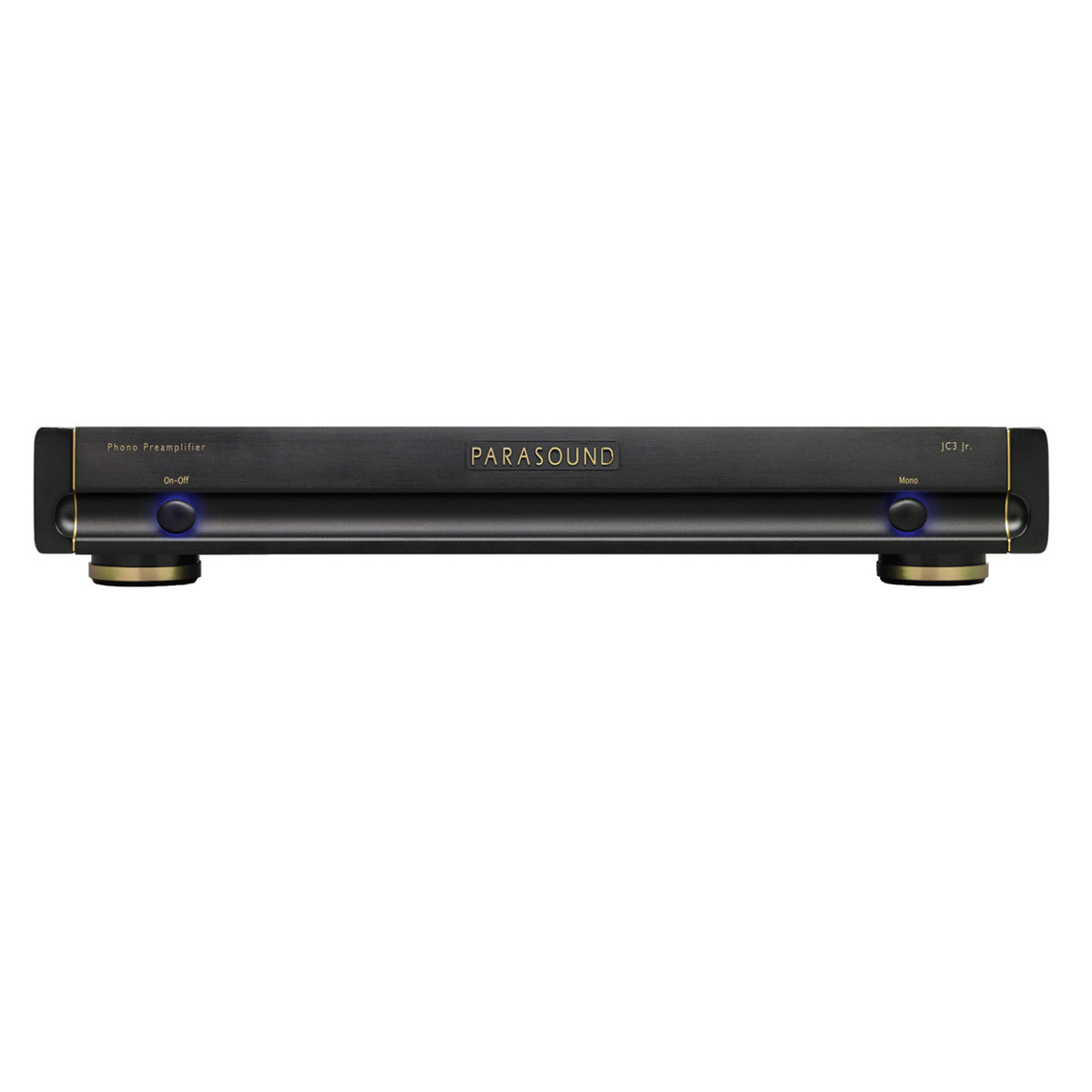
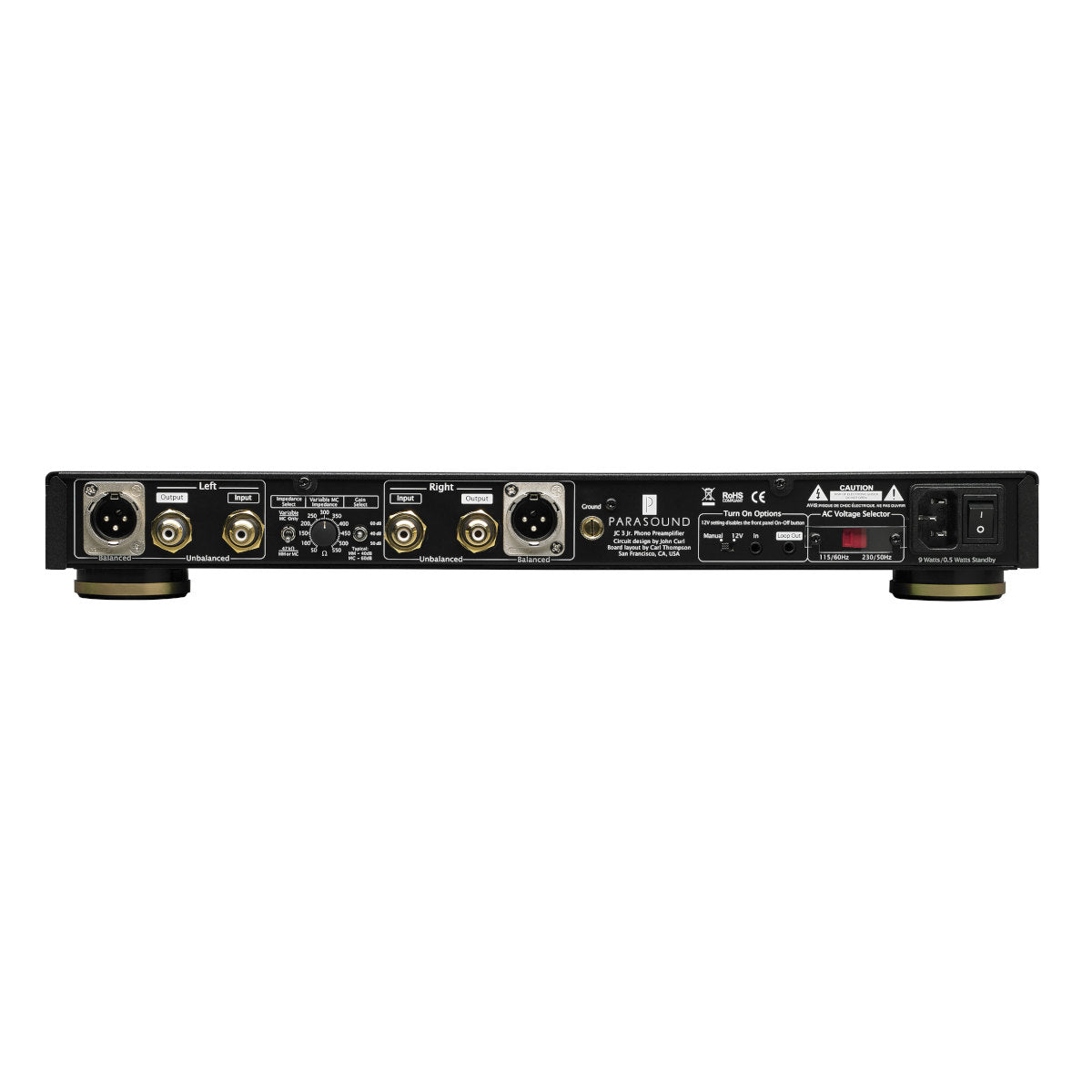
  • Parasound Halo JC 3 Jr. Phono Preamplifier
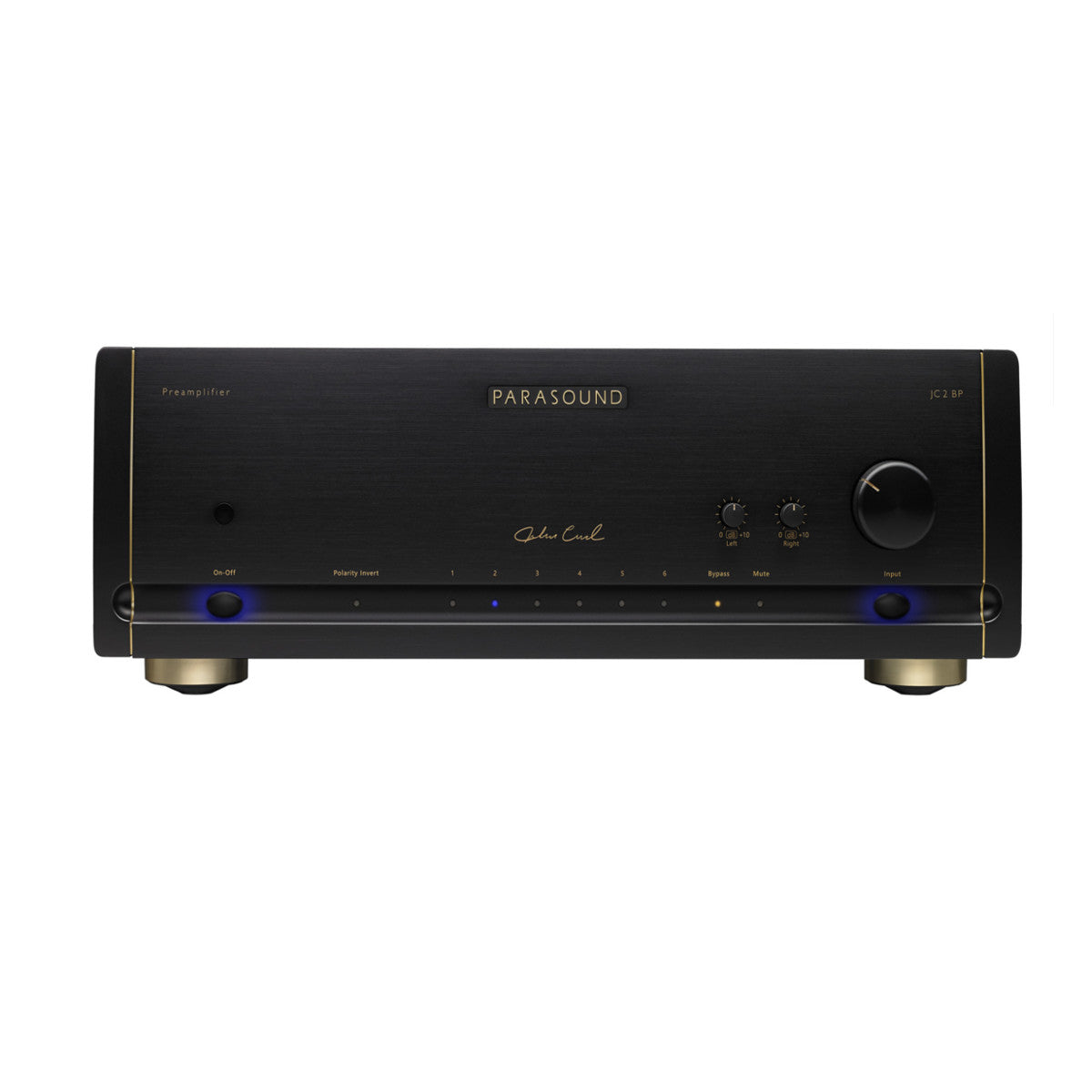
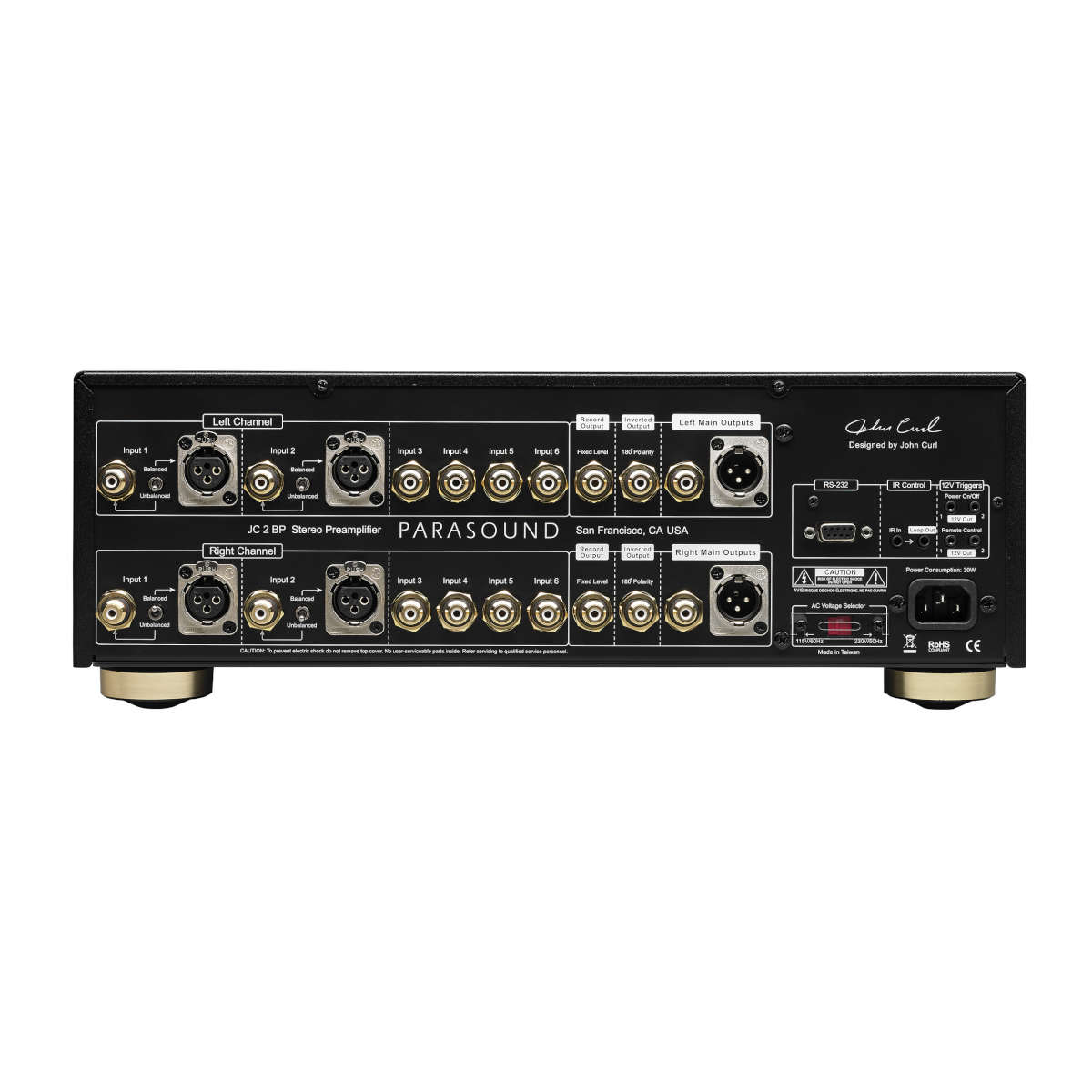
  • Parasound Halo JC 2 BP Preamplifier with Bypass
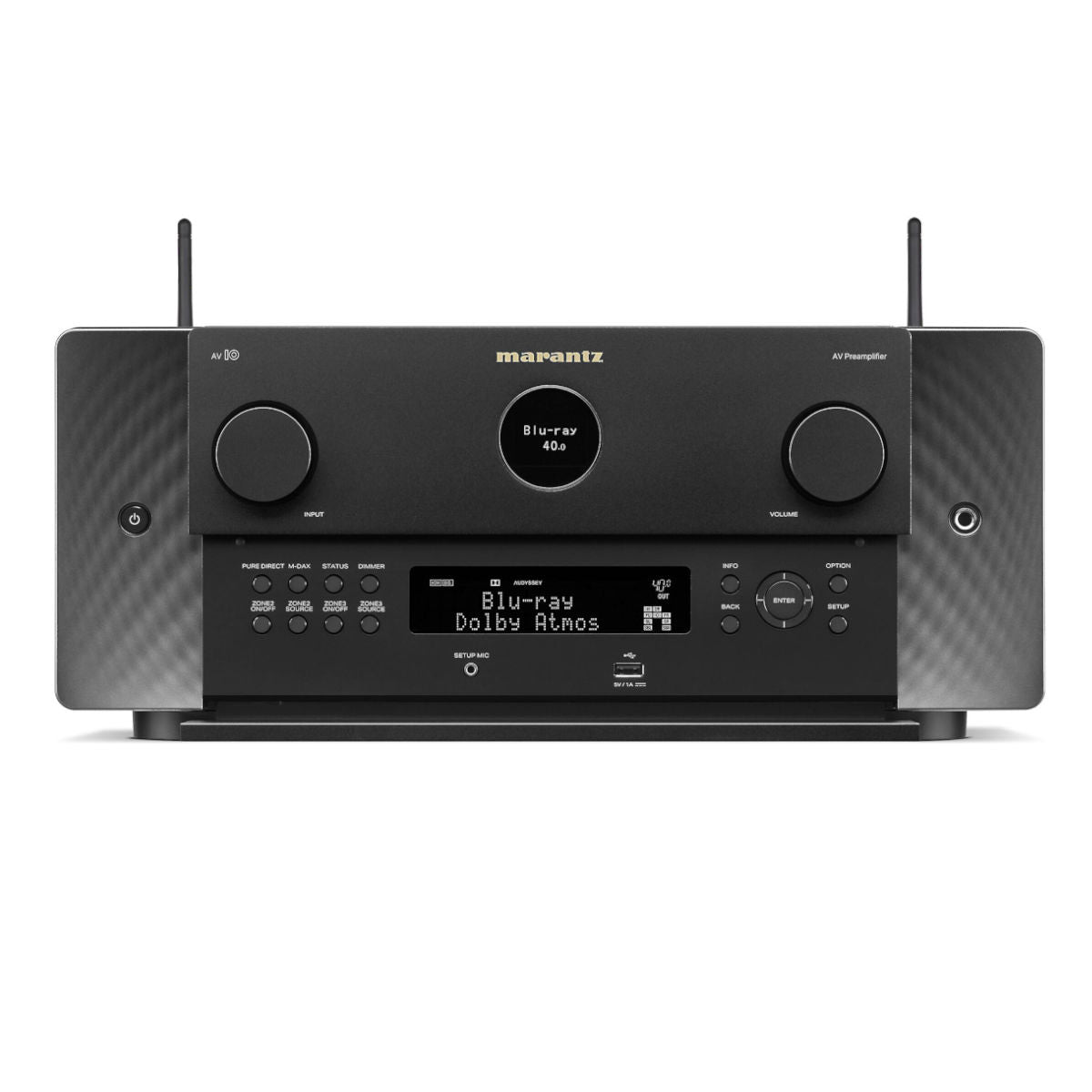
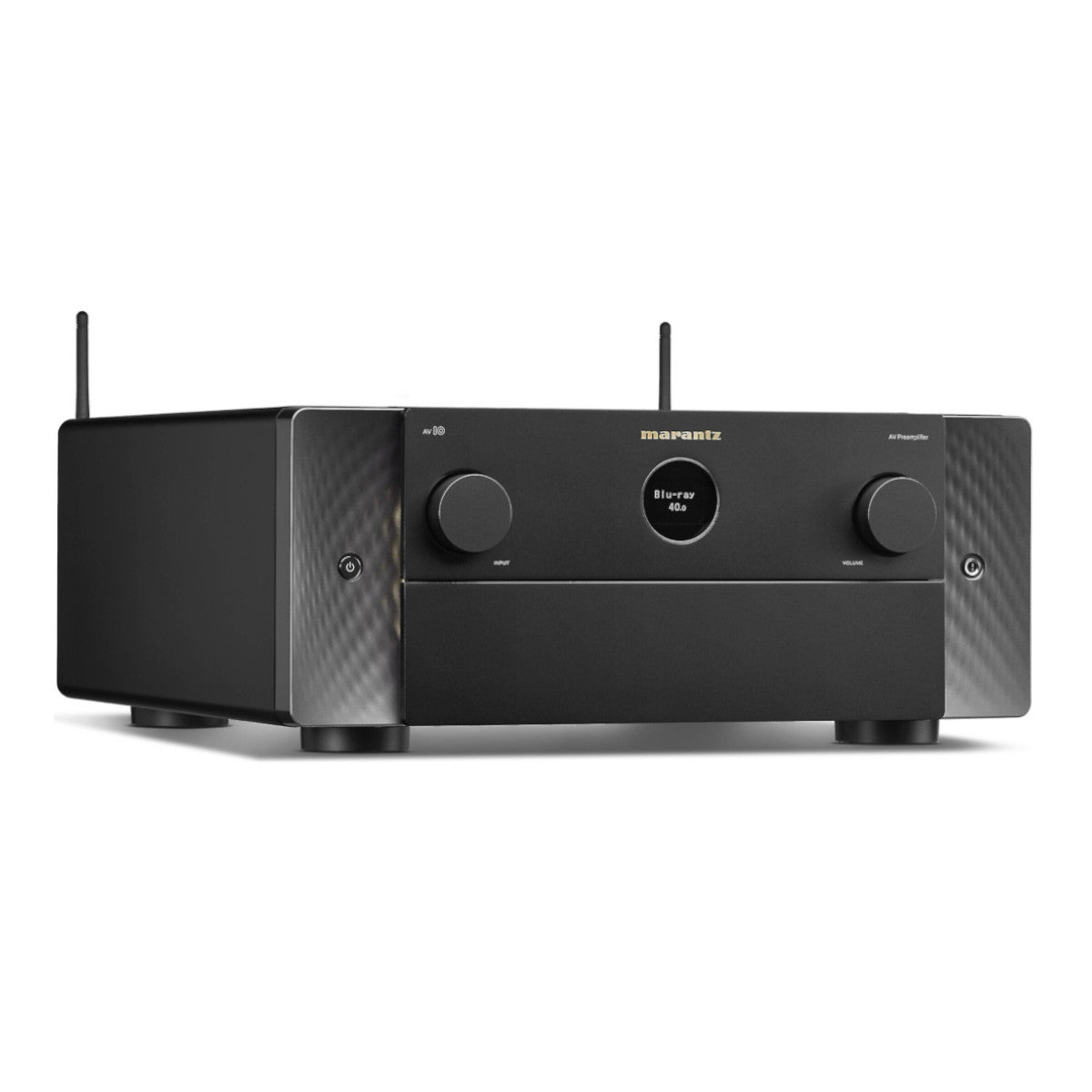
  • Marantz AV 10 15.4 Channel 8K AV Preamplifier / Processor
    Vendor:
    Marantz

    Marantz AV 10 15.4 Channel 8K AV Preamplifier / Processor
    Regular price
    1,264,000.00
    Sale price
    1,264,000.00
    Regular price
  • Classe Audio Delta PRE Preamplifier
  • McIntosh MP100 2-Channel Solid State Phono Preamplifier
  • McIntosh C8 2-Channel Solid State Preamplifier
  • McIntosh C49 2-Channel Solid State Preamplifier
  • McIntosh C12000 2-Channel Solid State and Vacuum Tube Preamplifier
  • McIntosh C22 2-Channel Vacuum Tube Preamplifier Mk V
  • Rotel Michi P5 Stereo Preamplifier

Pre-Amplifiers for High-Performance Stereo and Home Audio Systems

Precision Control for Exceptional Sound

In premium audio systems, every component plays a critical role. While power amplifiers provide the muscle to drive speakers, pre-amplifiers act as the control centre, managing audio sources and preparing signals for maximum performance.

A high-quality pre-amplifier helps preserve musical detail, improve signal integrity, and provide greater control over your entire audio system. For audiophiles and enthusiasts building separates-based systems, a dedicated preamp is often an essential component.

Whether you're assembling a reference-grade stereo system or upgrading an existing setup, the right pre-amplifier can unlock the full potential of your source components and power amplifiers.


What Is a Pre-Amplifier?

A pre-amplifier, often called a preamp, is responsible for managing audio sources before the signal reaches a power amplifier.

Its primary functions include:

  • Source selection

  • Volume control

  • Signal routing

  • Signal conditioning

  • Input switching

The pre-amplifier receives audio signals from devices such as streamers, CD players, DACs, and turntables, then sends a refined signal to a power amplifier that drives the speakers.

This separation of duties allows each component to focus on a specific task, often resulting in improved performance and flexibility.


Why Use a Dedicated Pre-Amplifier?

While integrated amplifiers combine preamplification and power amplification in one chassis, dedicated preamps offer several advantages for advanced audio systems.

Improved Signal Purity

Separating low-level audio processing from power amplification can reduce interference and preserve greater musical detail.

Greater System Flexibility

Choose the ideal power amplifier, source components, and speakers without being limited by an all-in-one design.

Enhanced Source Management

Easily switch between multiple audio sources while maintaining consistent performance.

Upgrade-Friendly Architecture

Separates-based systems allow individual components to be upgraded independently over time.

Higher-End Audio Performance

Many premium stereo systems use dedicated preamps and power amplifiers to achieve greater transparency, dynamics, and control.


Types of Pre-Amplifiers

Different listening environments and system requirements call for different types of preamps.

Stereo Pre-Amplifiers

Designed specifically for two-channel music systems, stereo preamps focus on delivering exceptional audio quality for critical listening.

Network and Streaming Preamps

Modern models combine preamplification with streaming services, wireless connectivity, and network audio functionality.

Phono Preamps

Created for turntables, phono preamps amplify the delicate signal produced by a cartridge and apply the required equalization for accurate vinyl playback.

AV Processors

Often considered the home theatre equivalent of a stereo preamp, AV processors manage surround sound formats while relying on external power amplifiers for speaker output.


Who Should Consider a Pre-Amplifier?

A dedicated preamp may be ideal if you:

  • Own separate power amplifiers

  • Want maximum system customization

  • Are building a high-end stereo system

  • Have multiple audio sources

  • Plan to upgrade components over time

  • Seek higher levels of audio refinement

For listeners pursuing the highest levels of performance, a dedicated pre-amplifier often becomes a key part of the system architecture.


Features to Consider When Choosing a Pre-Amplifier

Input Options

Ensure the preamp supports all current and future audio sources you plan to use.

Analogue and Digital Connectivity

Many modern preamps offer a combination of traditional analogue inputs and advanced digital connectivity.

Streaming Capabilities

Some models include built-in support for:

  • Wi-Fi streaming

  • Bluetooth

  • AirPlay

  • Network audio platforms

  • Music streaming services

Phono Support

If vinyl playback is important, look for dedicated moving magnet (MM) or moving coil (MC) phono compatibility.

Balanced Connections

Balanced XLR connections are often preferred in high-end systems for improved noise rejection and signal integrity.


Pre-Amplifier vs Integrated Amplifier

Many customers ask whether they need a dedicated preamp or an integrated amplifier.

Integrated Amplifier

Combines preamp and power amplifier sections within a single chassis.

Ideal for:

  • Simpler systems

  • Compact setups

  • Fewer components

  • Excellent value

Pre-Amplifier + Power Amplifier

Uses separate components for signal control and speaker amplification.

Ideal for:

  • High-end audio systems

  • Greater upgrade flexibility

  • Maximum performance

  • Dedicated listening rooms

The best choice depends on your system goals, listening habits, and future upgrade plans.


Build a System Around Performance

A quality pre-amplifier serves as the foundation for a sophisticated audio system, helping every connected component perform at its best.

Whether you're streaming high-resolution music, playing vinyl records, or building a reference-grade stereo setup, the right preamp can deliver greater transparency, control, and musical engagement.

For serious music enthusiasts, investing in a dedicated pre-amplifier is often one of the most rewarding upgrades available.


Buy Pre-Amplifiers Online in India

At Ooberpad, we offer a carefully curated selection of stereo pre-amplifiers, streaming preamps, phono preamps, and AV processors from some of the world's most respected audio brands.

Whether you're building a separates-based hi-fi system or upgrading an existing setup, our specialists can help you choose the ideal pre-amplifier for your power amplifier, speakers, and listening preferences.

Explore premium pre-amplifiers online with genuine products, expert guidance, pan-India delivery, competitive pricing, and dedicated after-sales support from Ooberpad.


Frequently Asked Questions (FAQs)

Q. What are the uses of Pre Amplifiers?

A.

Preamp takes care of preamplification, signal shaping, selection, and distribution.

Pre Amplifiers take an audio signal from an instrument or microphone, and give that signal sonic shape and definition before the signal is amplified for further audio processing or output through speakers, headphones, or other audio gear.

The pre-amplifier seamlessly handles switching between different line level sources and enhances the signal before sending it to the amplifier. The electrical signal becomes strong enough for additional processing, cleaner output and prevention of noise.

Q. Does preamp improve sound?

A.

Essentially, a preamp amplifies a quiet signal to nice and friendly record-ready volumes.

They play a crucial role in creating quality sound and maintaining sound quality at high gain levels. A preamp will deliver a cleaner, more accurate signal, with higher gain, lower noise, less distortion, and more headroom.

Q. How do I know if I need a Preamp?

A.

Most home cinema enthusiasts prefer a separate setup with both a pre-amplifier and amplifier because this ensures richer, fuller sound with minimal distortion. The higher gain and independent power supply per component provide the audiophile grade clean sound.

If you have several different sources to connect, such as a turntable, CD player or Network Audio player, then a pre-amplifier benefits you by providing proper signal routing, optimal performance and true audiophile sound.

Q. What are the types of Pre Amplifiers?

A.

An important distinction between types of preamps available is whether they’re designed to add colour or deliver a transparent signal.

Both types meet a range of recording needs. A colour preamp adds body to a thin voice or instrument while the transparent preamp reproduces the original instrument or vocal sound, accurately.

Circuit design also determines the types of preamps. Tube preamps use thermionic/vacuum tubes to create gain.The solid-state preamp performs optimally and with minimal distortion at high levels of gain.

Additionally, there are digital preamps that could be considered digital interfaces, as they efficiently convert an analog signal to a digital signal for use in a DAW. Interestingly, also available are the various types of instrument-specific preamps.

Q. How to choose a Pre Amp?

A.

Firstly, check if the model of the pre amplifier has a sufficient number of audio inputs to meet your needs. It would also be helpful to check the adequate number of audio outputs, gain level and functions like sound equalisation.

Besides, your budget should be a guiding factor too.

Want to buy a preamp with confidence? Reach out to our team Ooberpad so we can help you with your preamp purchase.

Q. What is a pre-amp? Do all amplifiers have pre-amps built into them?

A.

A preamplifier, or preamp, is an electronic component that prepares a weak electrical signal for further amplification or processing. Its primary functions are to boost the signal strength and provide volume control without introducing significant noise or distortion. Preamps also often include input selection and sometimes tone controls. In audio systems, preamps serve several important roles.

1. Signal boosting: They amplify low-level signals from sources like turntables or microphones to a level suitable for power amplification.

2. Impedance matching: Preamps ensure proper electrical interfacing between different components in the audio chain.

3. Tone shaping: Many preamps offer equalisation controls to adjust bass, treble and sometimes midrange frequencies.

4. Source selection: They allow switching between multiple input sources like CD players, tuners, or streaming devices.

Not all amplifiers have built-in preamps. There are three main categories of amplifiers in this context.

1. Integrated amplifiers: These combine a preamplifier and a power amplifier in one unit. They're popular for their convenience and space-saving design, offering a complete solution for many home audio setups.

2. Power amplifiers: These are standalone units that only amplify the signal to drive speakers. They require a separate preamplifier or source with volume control.

3. Preamplifiers: These standalone units handle signal processing and volume control but don't provide power amplification for speakers.

The choice between separate components (preamp + power amp) and an integrated amplifier depends on factors like budget, desired flexibility and performance requirements. Separate components often offer higher performance potential and allow for easier upgrades, while integrated amplifiers provide a more compact and often more cost-effective solution.

In professional audio and some high-end home systems, separate preamps and power amps are common. This allows for more specialised equipment choices and can potentially yield better sound quality. However, for many home users, a quality integrated amplifier provides excellent performance without the complexity of separate components.

While not all amplifiers include preamps, integrated amplifiers - which are very common in home audio setups - do combine both preamp and power amp functions in a single unit.

Q. What is a pre-amplifier?

A.

A preamplifier/preamp is an electronic device used in audio systems to amplify weak electrical signals from various sources prior to sending them to a power amplifier or recording equipment.

It's a versatile component that is used in audio setups, especially in situations where the original signal is weak or needs additional processing before it can be further amplified.

Here are the key functions of a preamplifier:

Signal Amplification
Low Noise and Distortion:
Tone Control
Input Selection
Phono Preamp
Line-Level Signals
Impedance Matching
Volume Control
Recording and Mixing
Headphone Amplification

Q. What's the purpose of a pre-amplifier?

A.

A preamplifier/preamp serves several important purposes in an audio or audio-visual system:

Signal Amplification: The main function of a preamplifier is to amplify weak audio signals. It takes the low-level audio signals generated by sources like microphones, musical instruments, or record players and boosts them to a level that can be processed and further amplified by power amplifiers or other components in the audio chain.

Signal Processing: Preamps mostly include various controls and adjustments to shape the audio signal. These may include volume control, tone control (bass and treble adjustments), balance control, and sometimes even equalisation (EQ) to fine-tune the sound quality.

Signal Switching: In many audio systems, a preamp can serve as a switching hub for multiple audio sources. It helps select different input sources (e.g., CD player, turntable, radio) and route the selected source to the power amplifier or receiver.

Impedance Matching: Preamps can match the impedance of the source component (e.g., a microphone) with the input impedance of the following equipment, such as power amplifiers or recording devices. This matching ensures that the maximum amount of signal is transferred minus any loss/distortion.

Noise Reduction: High-quality preamplifiers often incorporate features and circuitry to cut down the noise and interference in the audio signal. This is important when dealing with low-level signals, such as those from microphones.

Phono Preamp: A specific type of preamplifier called a phono preamp (or phono stage) is used for turntables. It amplifies the very low-level signal generated by a phonograph cartridge, equalises the signal to compensate for the characteristics of vinyl records, and brings it up to a level suitable for further amplification.

Gain Control: Preamps give gain control, allowing you to adjust the level of the audio signal. This is useful when dealing with sources that have varying output levels or when you want to match the volume of different sources.

A preamplifier is a key component in audio systems because it boosts and processes audio signals, adjusts their characteristics and provides control over the source selection and signal level.

It plays a key role in shaping the sound quality and ensuring that audio signals are well-prepared for amplification or recording.

Related Blogs

What is a Pre-Out and What Are its Uses - A Complete Guide

Receivers can be complex devices where it can get difficult to track the specs and ports you require. Receivers can be confusing especially the feature of pre out amp. Looking to buy an A/V receiver?

Then it is imperative that you understand what a pre-out is and its high-utility features.

Getting to know the holy trinity of Home Theater Systems

When custom designing your home theatre system in India, it is valuable to know the differences between receivers and amplifiers and the role they play. Read on to find out more.