Home Theatre Projectors for a True Big-Screen Cinema Experience
Nothing transforms a movie night quite like a dedicated home theatre projector. While large televisions continue to grow in size, projectors remain the preferred choice for enthusiasts who want a truly cinematic experience with screen sizes ranging from 100 inches to well over 150 inches.
Whether you're building a dedicated home cinema, upgrading your media room, or creating an immersive gaming setup, the right projector can deliver stunning visuals, exceptional detail, and theatre-like scale that conventional displays simply cannot match.
Why Choose a Home Theatre Projector?
A home theatre projector is designed specifically for cinematic entertainment. Unlike business or presentation projectors, home cinema models prioritise image accuracy, colour performance, contrast, black levels, and motion handling to reproduce movies exactly as filmmakers intended.
Benefits include:
-
Massive screen sizes without overwhelming your room
-
Immersive viewing for movies, sports, gaming, and streaming
-
True 4K and Full HD options for exceptional picture detail
-
HDR support for improved brightness and colour depth
-
Flexible installation with long-throw, short-throw, and ultra-short-throw designs
-
Better value per inch compared to large-format televisions
Choosing the Right Home Cinema Projector
Resolution Matters
Resolution plays a major role in image clarity and detail.
-
Full HD (1080p) projectors remain an excellent choice for everyday movie watching.
-
4K projectors offer significantly greater detail, sharper images, and enhanced HDR performance, making them ideal for premium home theatre installations.
Brightness and Room Conditions
Projector brightness is measured in lumens. The ideal brightness depends on your viewing environment.
-
Dark, dedicated theatre rooms can prioritise contrast and black levels.
-
Living rooms and multipurpose spaces often benefit from higher brightness levels to maintain image quality with ambient light.
Contrast and Black Levels
For movie lovers, contrast performance is often more important than raw brightness. Higher contrast allows deeper blacks, improved shadow detail, and greater image depth, resulting in a more cinematic picture.
Throw Distance and Installation
Projectors are available in several configurations:
-
Standard Throw Projectors for dedicated theatre rooms
-
Short Throw Projectors for compact spaces
-
Ultra Short Throw (UST) Projectors that can be placed close to the screen while producing a massive image
Understanding your room dimensions helps determine the best projector type for your setup.
Projectors for Movies, Gaming, and Sports
Modern home theatre projectors are designed to handle a variety of entertainment needs.
Movie Enthusiasts
Look for features such as:
Gaming
Gamers should consider:
-
Low input lag
-
High refresh rates
-
Fast response times
-
4K gaming compatibility
Sports Viewing
For sports enthusiasts, brightness and motion handling are critical to maintaining smooth, clear action during live events.
Complete Your Home Theatre Setup
A projector is only one part of an exceptional home cinema. For the best experience, consider pairing your projector with:
Our team can help you select components that work together seamlessly for optimal performance.
Buy Home Theatre Projectors Online in India at Ooberpad
At Ooberpad, you'll find a carefully curated range of home theatre projectors from some of the world's most respected brands, including Epson, BenQ, Sony, JVC, Samsung, and more.
Whether you're looking for an entry-level Full HD projector, a premium native 4K home cinema projector, or a cutting-edge ultra-short-throw laser projector, our experts can help you find the ideal solution based on your room size, viewing habits, budget, and performance expectations.
Shop for home theatre projectors online at the best prices in India with authentic products, expert guidance, free shipping on eligible orders, and dedicated after-sales support from Ooberpad.
Frequently Asked Questions (FAQs)
Q. Should I buy a portable projector or a home projector?
A. It depends on your specific needs and preferences. Portable projectors are more compact and easy to transport, making them ideal for on-the-go presentations or movie nights. Home projectors offer better image quality and are suitable for dedicated home theatre setups. Consider your intended use and budget before making a decision.
Q. What colour of the screen works best for a home projector?
A. For a home projector, a neutral white or light grey screen is recommended as it provides the best colour accuracy and brightness. White screens are the most common choice, as they are widely available and work well in rooms with some ambient light. However, if your room is completely dark, a light grey screen can enhance the contrast and black levels, resulting in a more cinematic viewing experience. Avoid using coloured screens as they can affect the accuracy of the projected colours. Ultimately, the screen colour should complement the projector's performance and the viewing environment.
Q. Do I need a screen for my projector?
A. Technically, no, a screen is not necessary for a projector. However, using a dedicated projector screen can significantly improve image quality and provide a more immersive viewing experience. It can also help control ambient light and provide a smooth and uniform surface for the projected image. Ultimately, it depends on your personal preferences and viewing environment.
Q. Do I need a 4K UHD projector or is Full HD good enough?
A. It depends on your viewing preferences and the content you plan to watch. If you're a cinephile or plan to use the projector for high-quality video content such as Blu-ray movies or streaming services like Netflix, a 4K UHD projector can offer superior image quality and more details. However, if you're on a budget and mainly use the projector for casual viewing, Full HD can still provide a great viewing experience. Consider your needs and budget before making a decision.
Q. Are portable projectors of good quality for watching movies at home?
A. As someone who recently purchased a portable projector, I can confidently say they can be great for watching movies at home, but there are pros and cons.
I bought my portable projector last summer, eager to create a backyard cinema experience. The first night I used it, I invited some friends over for an impromptu movie night. We hung a white sheet on the fence, set up some comfy chairs and settled in to watch under the stars. It was magical – the warm night air, the fireflies dancing around us and a massive 100-inch picture projected onto the makeshift screen. That experience alone made the purchase worthwhile for me.
However, portable projectors do have limitations. Mine isn't as bright as a traditional home theatre projector, so it works best in very dark environments. I've found that even with the curtains drawn, daytime viewing can be a bit washed out. The built-in speakers are adequate but not impressive, so I often connect external speakers for better sound.
On the plus side, the portability is fantastic. I've taken it to friends' houses, used it for presentations at work and even projected movies onto the ceiling while lying in bed (a game-changer for lazy weekends).
Picture quality varies depending on the model. Mine offers 1080p resolution, which looks great for most content, but it's not quite as crisp as my 4K TV for highly detailed scenes.
Battery life can be an issue with some models. Mine lasts about 2.5 hours, just enough for most movies, but for longer viewing sessions or marathons, I need to keep it plugged in.
I think portable projectors are excellent for creating unique viewing experiences and adding flexibility to your home entertainment setup. They may not replace your main TV, but they open up new possibilities for movie nights. If you're someone who values novelty and doesn't mind a bit of setup, a portable projector can be a fun addition to your home.
Q. Is a projector screen better than a wall?
A. A projector screen is generally better than a plain wall for several reasons. Projector screens are designed with specific materials and coatings to optimise image reflection, providing better colour accuracy, contrast and brightness compared to most walls. They offer a uniform surface for better image quality, avoiding imperfections or textures that might distort the projected image. Screens come in specific aspect ratios to match common video formats, ensuring the entire image fits perfectly without distortion. Many screens feature black borders that absorb light overspill, creating a sharper perceived image edge and improving contrast.
However, projecting on a wall can be a viable option in some cases. It's often free, as you're using an existing surface. Some people prefer the minimalist look of projecting directly on a wall, and it can be simpler with no additional hardware to install or maintain. In tight spaces, eliminating a screen can be beneficial. For optimal results with a wall projection, choose a smooth, flat wall with minimal texture. You can paint the projection area with special projector screen paint for improved reflectivity. Consider creating a bordered area to define the projection space.
While a proper projector screen will usually provide superior image quality, projecting on a wall can be a reasonable compromise for casual viewing or when budget or space constraints are significant factors. The best choice depends on your specific needs, room conditions and desired image quality.
Q. How can I decide on a projector for a home?
A. Wondering which projector to choose for your home? If you are familiar with certain prerequisites, choosing the right projector becomes an easy and swift process.
While choosing a projector for a home, it’s important to determine the purpose of the projector. Is it primarily for watching movies or sports or playing games?
For movies, you should consider getting a full HD projector that can reproduce all or most of the Rec 709 colour gamut that’s used for HDTV and home video releases. Check if it also includes a Cinema or Movie mode that comes close to reference standards, plus the controls you need to fine-tune the image for the best performance. If you’ve invested in a 4K Blu-ray player or other 4K source, you would need to shell out more money for a projector with a 4K resolution and support for high dynamic range video.
For sports and gaming, opt for a full or 4K HD model that’s very bright (2,500 lumens or more) and has a 120 Hz refresh rate, which results in less motion blur in fast-moving images. If you are an avid gamer, try looking for a projector that offers very low input lag, which means less time between when something happens in the game and when you see it on your screen.
Also, bear in mind that it is important to consider the type of room you will use the projector in. Is it a dedicated theatre room? Also, pay attention to the furniture layout and how your family moves about in the room. Ask yourself if you would like to replicate a theatre-like moviegoing experience with all lights off for a theatre like ambience (for which it would be best to choose a model with 2,000~2,400 lumens of brightness) or all lights on for family members to interact and move about freely (for which a a high-brightness home theatre model with more than 3,000 lumens is the best choice)
Find a projector based on installation position, as based on where you place the projector, you would want to select between the home theatre projectors with horizontal keystone correction and side projection capability or a model with vertical keystone correction.
Hopefully, this helps. However, roping in the home theatre specialists can help you pick the one that meets all the prerequisites and caters best to your viewing needs.
Q. What are different types of home theater projectors?
A. There are various home theatre projectors, each designed to cater to specific needs and preferences.
Here are some common types:
LCD (Liquid Crystal Display) Projectors:
Description: LCD projectors use three liquid crystal panels (one for red, one for green, and one for blue) to project images. They are known for producing vibrant colours.
Advantages: Good colour reproduction, more cost-effective than other technologies, and low-maintenance.
Considerations: May suffer from "screen door effect" (visible grid lines) at close distances, and black levels may not be as deep as some other technologies.
DLP (Digital Light Processing) Projectors:
Description: DLP projectors use a digital micromirror device (DMD) chip to project images. They are known for their high contrast ratios and sharp image quality.
Advantages: Excellent contrast ratios, no screen door effect, and fast response times.
Considerations: Single-chip DLP projectors may exhibit the "rainbow effect" (color flashes) for some viewers, and they can be more expensive than LCD projectors.
LCOS (Liquid Crystal on Silicon) Projectors:
Description: LCOS projectors use a reflective liquid crystal layer on a silicon wafer. They are known for delivering high-resolution images with deep blacks and smooth color gradients.
Advantages: High contrast ratios, excellent color reproduction, and absence of screen door effect.
Considerations: Tend to be more expensive than LCD and DLP projectors.
LED Projectors:
Description: LED projectors use light-emitting diodes (LEDs) as their light source instead of traditional lamps. They tend to have longer lifespans and lower energy consumption.
Advantages: Longer lamp life, lower power consumption, and better color accuracy in some cases.
Considerations: Typically not as bright as traditional lamp-based projectors, and may be more expensive upfront.
Laser Projectors:
Description: Laser projectors use lasers as their light source. They offer long lifespans, consistent brightness, and are often maintenance-free.
Advantages: Long lifespan, consistent brightness, and often require less maintenance.
Considerations: Can be expensive upfront, but may save money in the long run due to reduced maintenance and replacement costs.
Short Throw and Ultra-Short Throw Projectors:
Description: These projectors are designed to be placed close to the screen or wall, allowing for large images in smaller spaces.
Advantages: Ideal for small rooms or spaces where a traditional projector might not fit, and reduce the likelihood of shadows on the screen.
Considerations: Limited placement options and may be more expensive than standard throw projectors.
4K and HDR Projectors:
Description: These projectors offer ultra-high-definition (UHD) resolution, providing incredibly sharp and detailed images. HDR (High Dynamic Range) support enhances contrast and colour accuracy.
Advantages: Exceptional image quality with lifelike details and colours.
Considerations: Can be more expensive, and require high-quality content to fully appreciate the benefits.
When choosing a projector, it's important to consider factors like room size, desired screen size, ambient lighting conditions, and budget.
Each type of projector has its own strengths, so it's a good idea to research and compare models to find the one that best suits your specific needs.
Q. What are the best budget home theater projectors?
A. Before we share our recommendations from the expertly curated picks for the best budget home theatre projectors, let’s take a closer look at the main factors that make the best projector for Home Theaters.
Brightness: Choose a Projector with enough brightness to create a clear, bright image. A Projector with 1500 to 2000 lumens is usually sufficient for a Home Theatre.
Contrast Ratio:. A higher contrast ratio will result in a more vivid image with better detail in shadows and highlights.
Resolution: A higher resolution will result in a sharper, more detailed image. 1080p (1920 x 1080 pixels) is currently the most common resolution for Home Theater Projectors, but 4K (3840 x 2160 pixels) is becoming increasingly popular.
Throw distance: It's important to choose a Projector with a throw distance that is suitable for your Home Theater setup.
Here’s a quick round-up of the best budget home theater projectors:
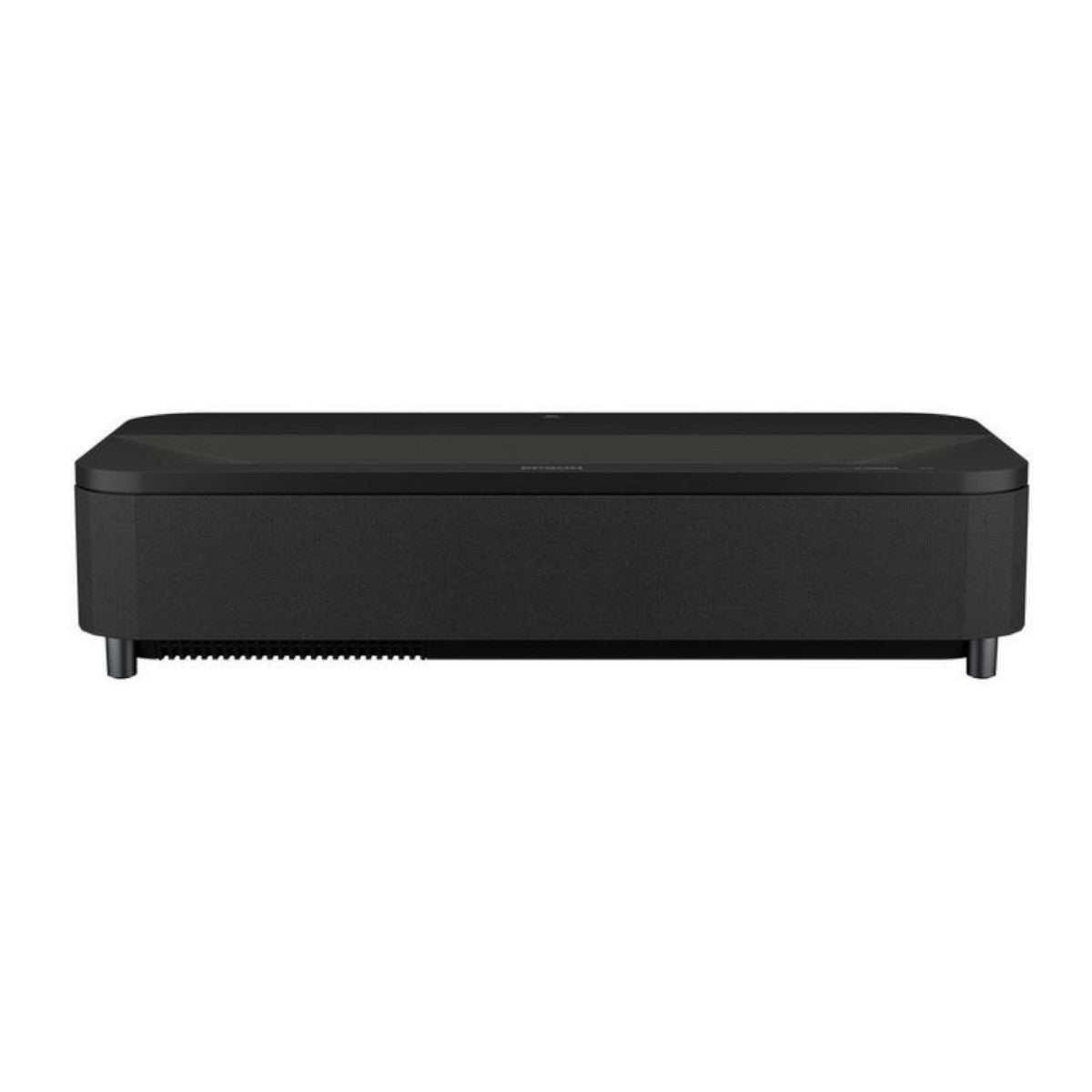
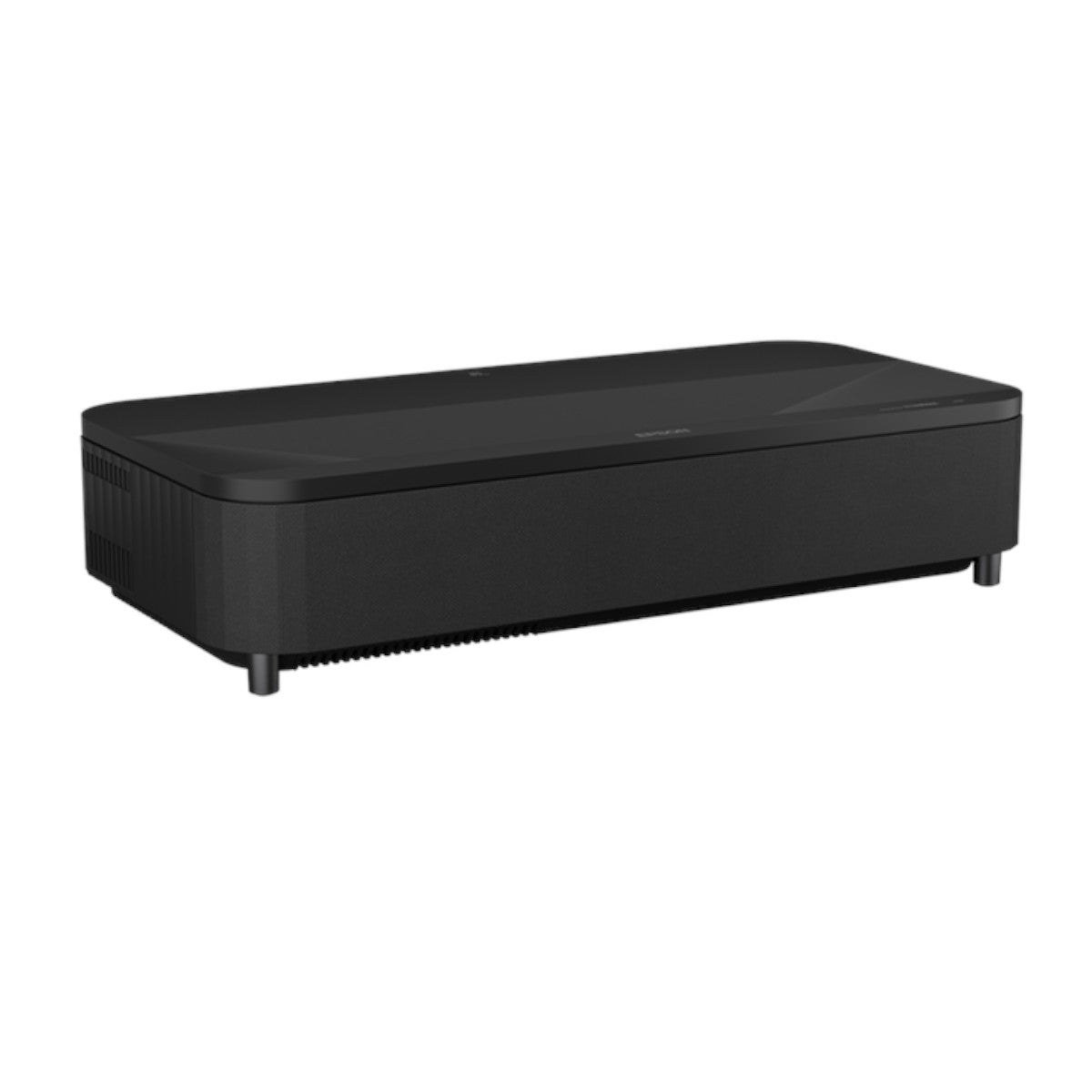
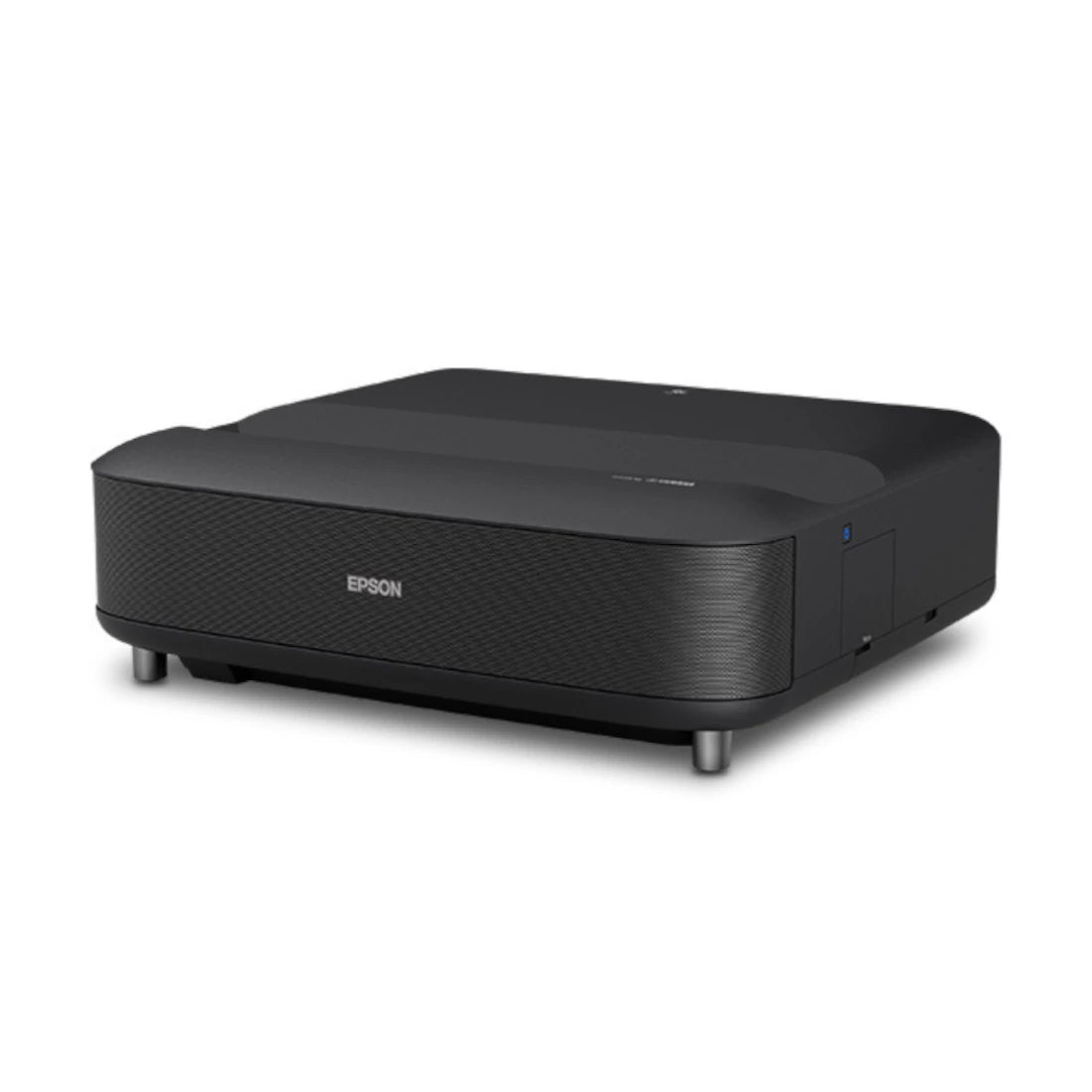
1) Epson EH-LS800B Super Ultra-Short-Throw Laser Projector
This 4K PRO-UHD1 150" Smart laser projection TV, part of the new EpiqVision Ultra range, comes with Android TV™ and sound by YAMAHA. It opens up the possibilities to bigger, more exciting Home entertainment, without a TV permanently on the wall.
Epson's 4K PRO-UHD1, super-ultra-short-throw laser projection TV is sleek in design and has Android TV. You can enjoy an 80" image from just 2.3cm away from the wall, with the option to adjust the distance to achieve up to 150”, for the ultimate Home cinema setting.
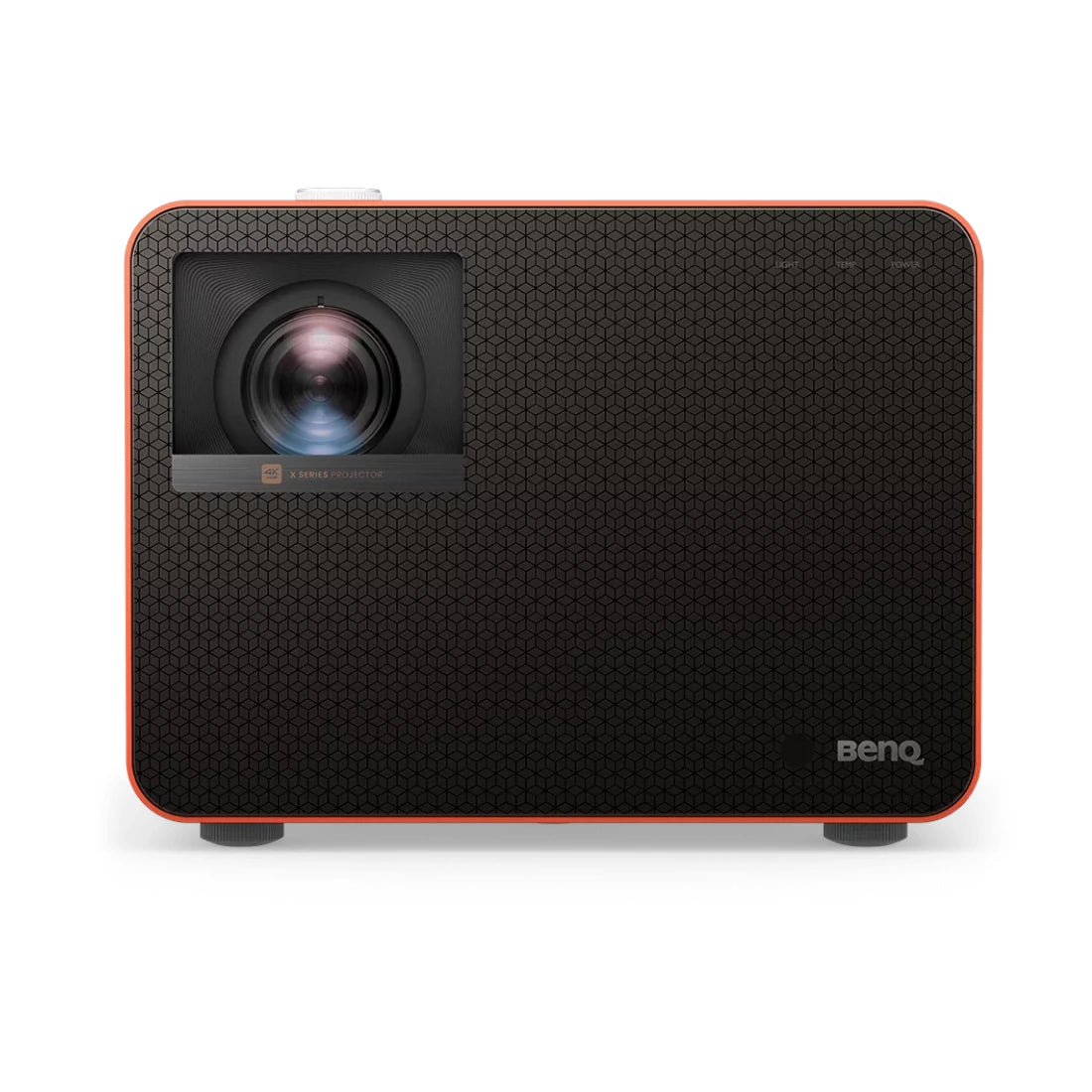
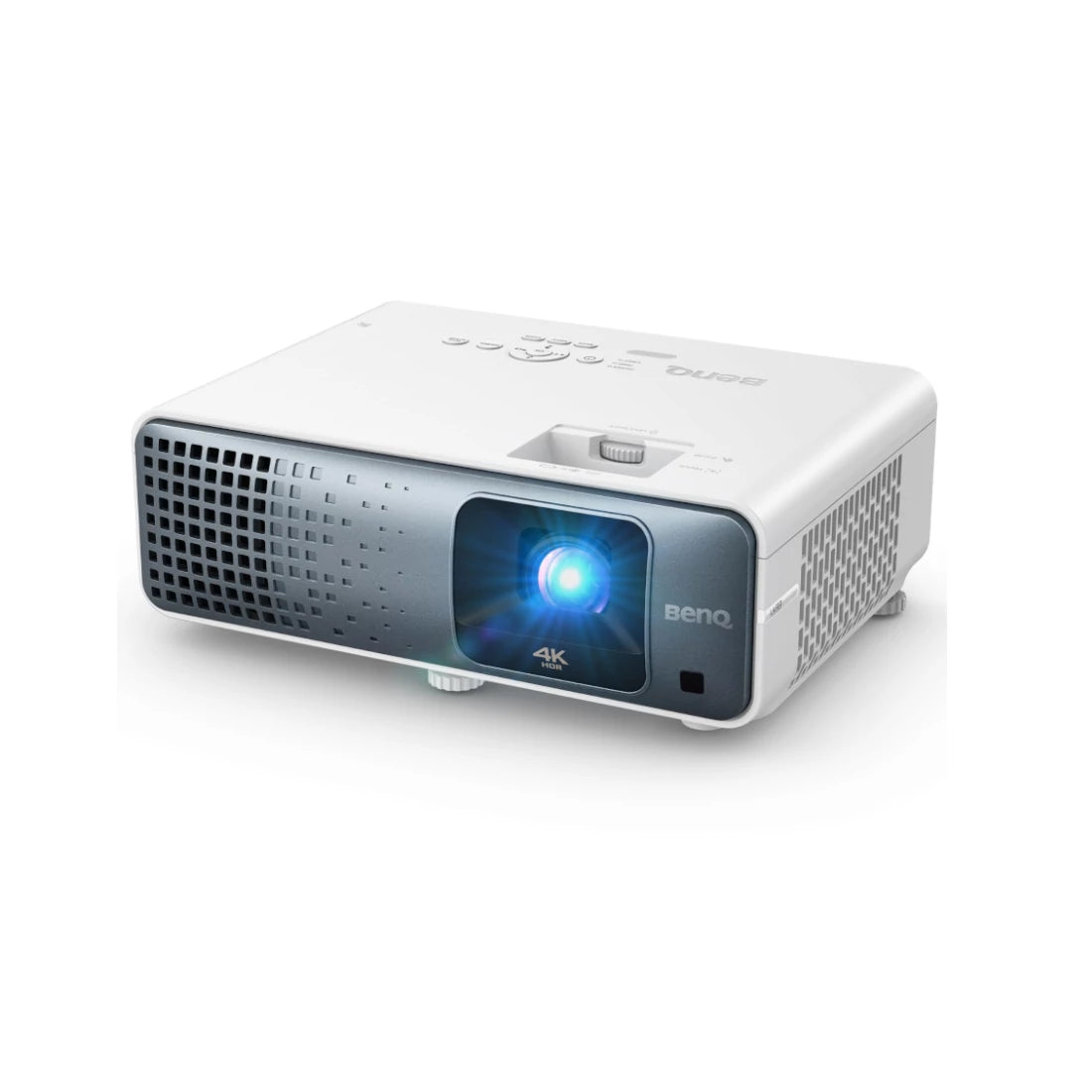
2) BenQ X3000i True 4K HDR 4LED Home Cinema Projector
The BenQ X3000i is the most immersive 4K gaming Projector for the open world providing an immersive cinematic visual and auditory impact with a 240Hz refresh rate.
X3000i overwhelms you with exquisitely cinematic visuals, expressive sound, and low input lag, unleashing your senses to explore new worlds. Infuse life into every nuance of scenery and skin tones. X3000i's true-to-life visuals assimilate you fully into the game world.
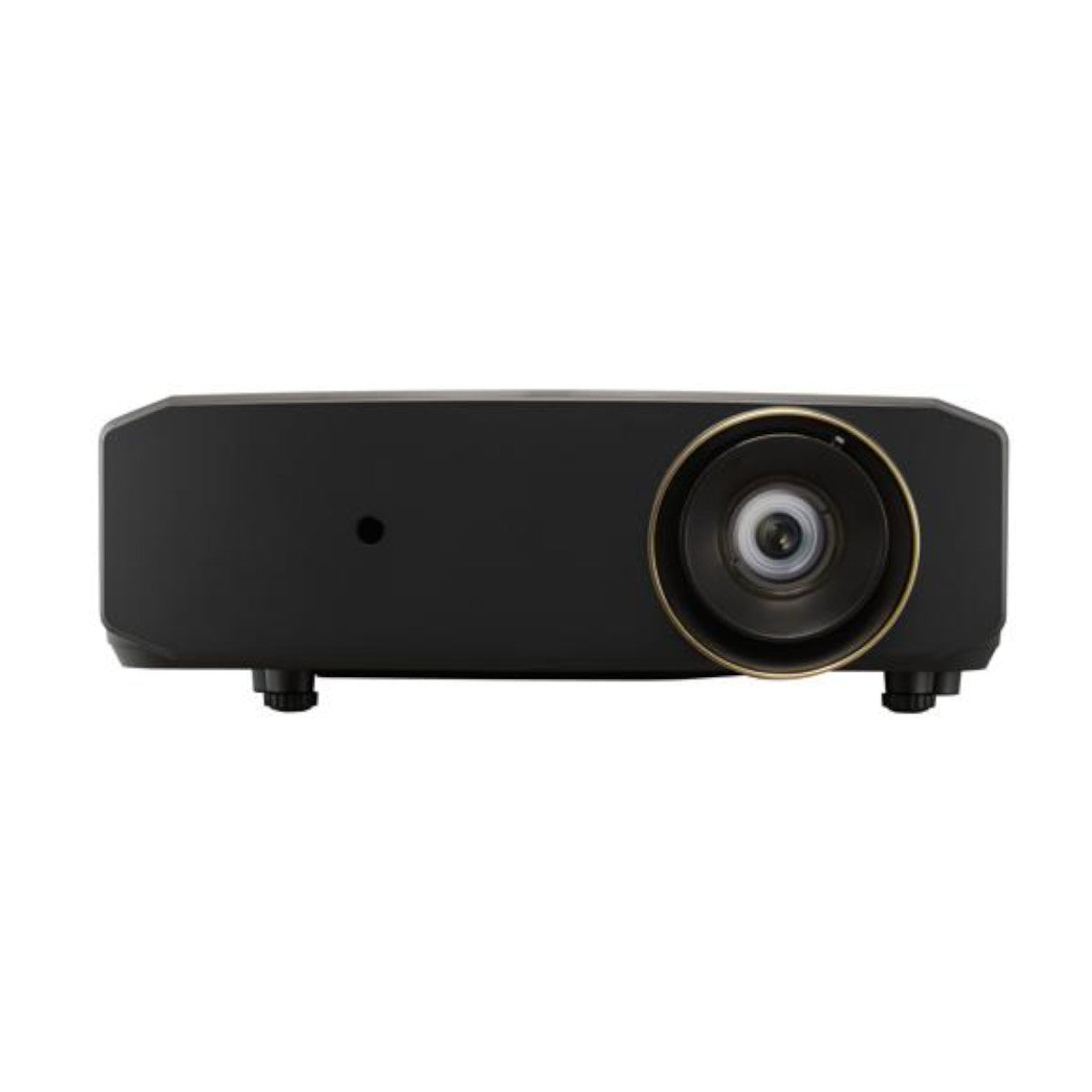
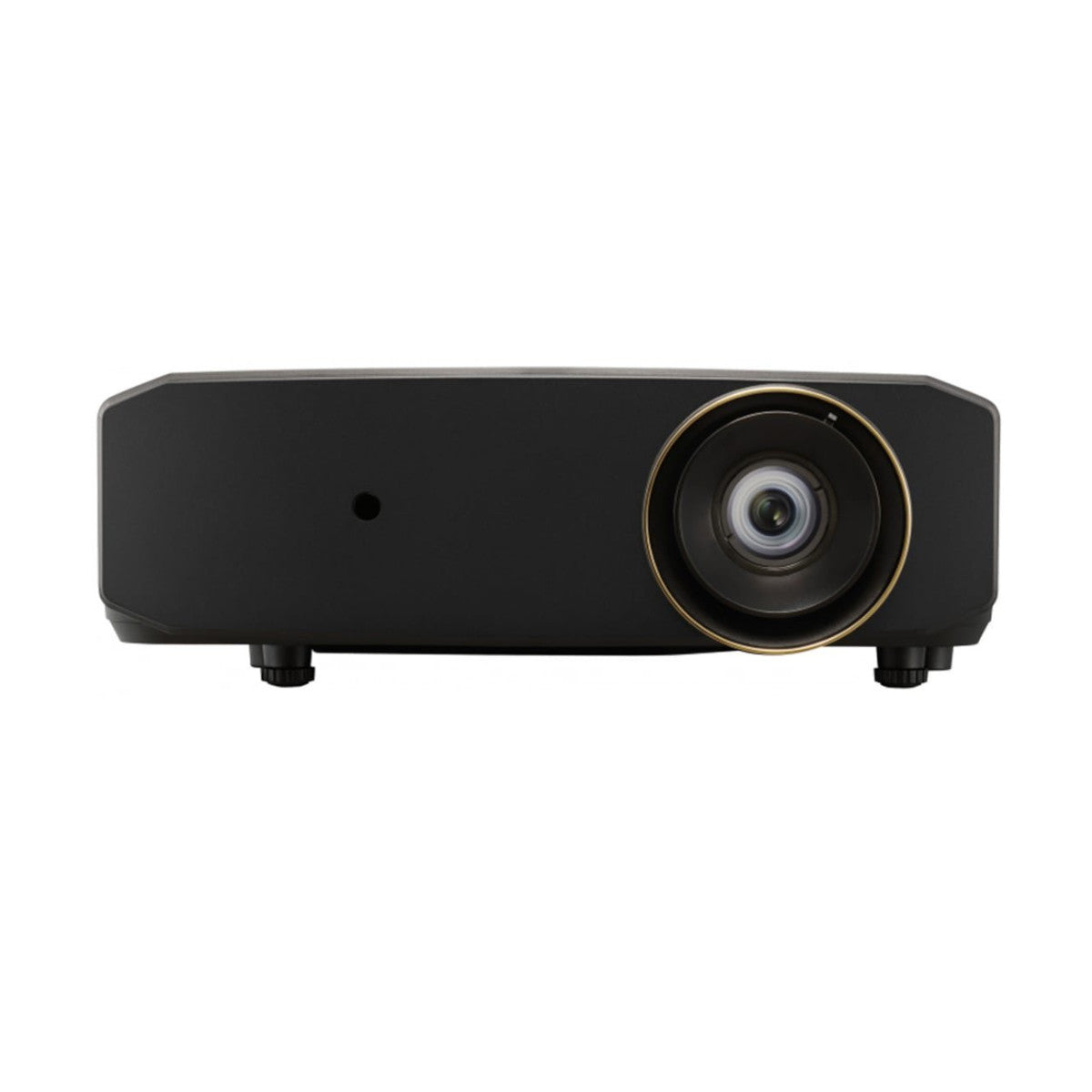
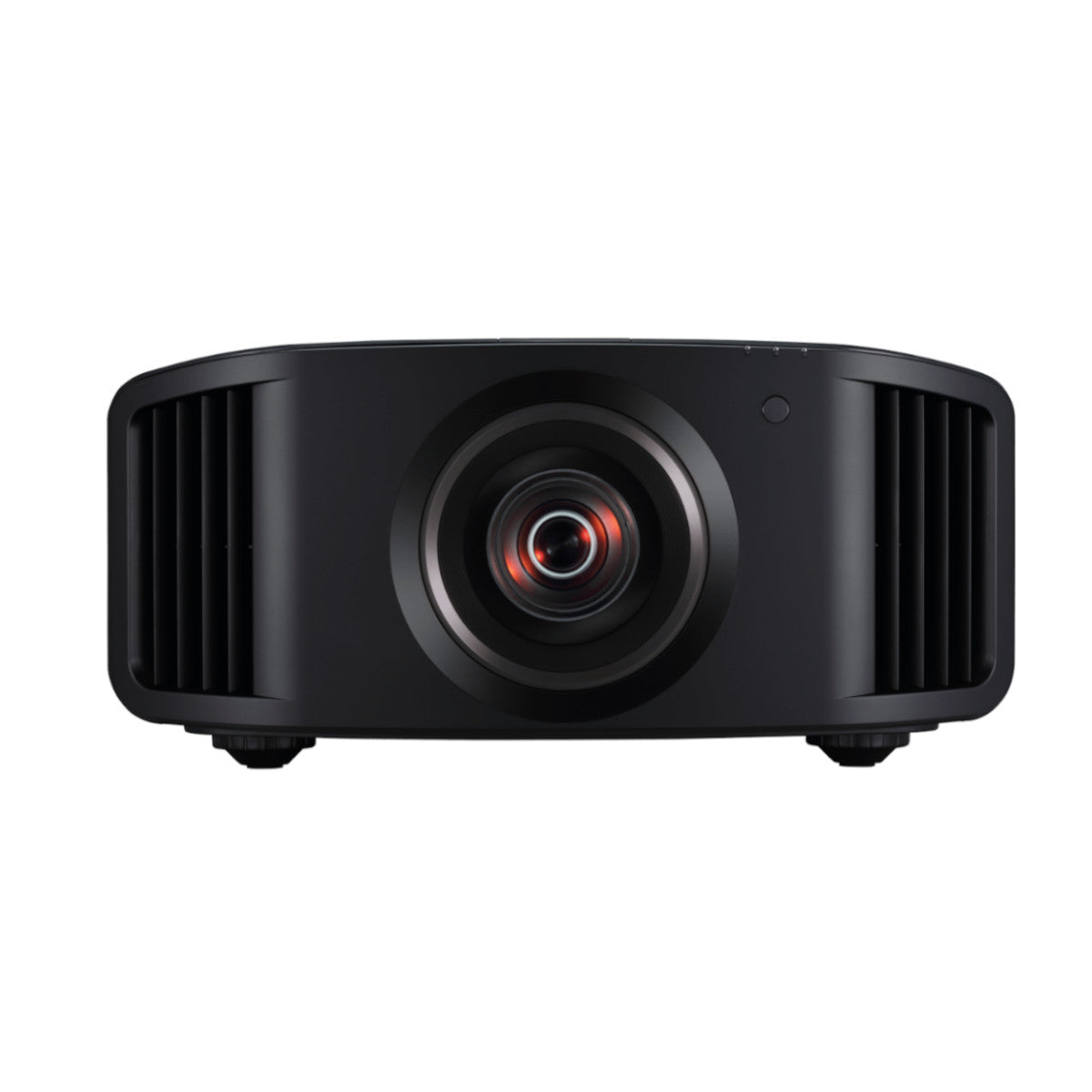
3) JVC LX-NZ3 Laser DLP Projector
The feature-packed LX-NZ3 is a high-performance 4K UHD/HDR Home Theatre Projector with laser light source technology BLU-Escent.
Attributable to the BLU-Escent light source, it realises a brightness of 3,000 lumens, so there is no requirement to pull the curtains every time. Plus, there is no need to care about the lamp's life as it offers 20,000 hours of long life.
Furthermore, JVC's original Auto Tone Mapping function automatically recalibrates to pack a punch with the optimum HDR image all the time. This Projector will enhance your viewing experience.
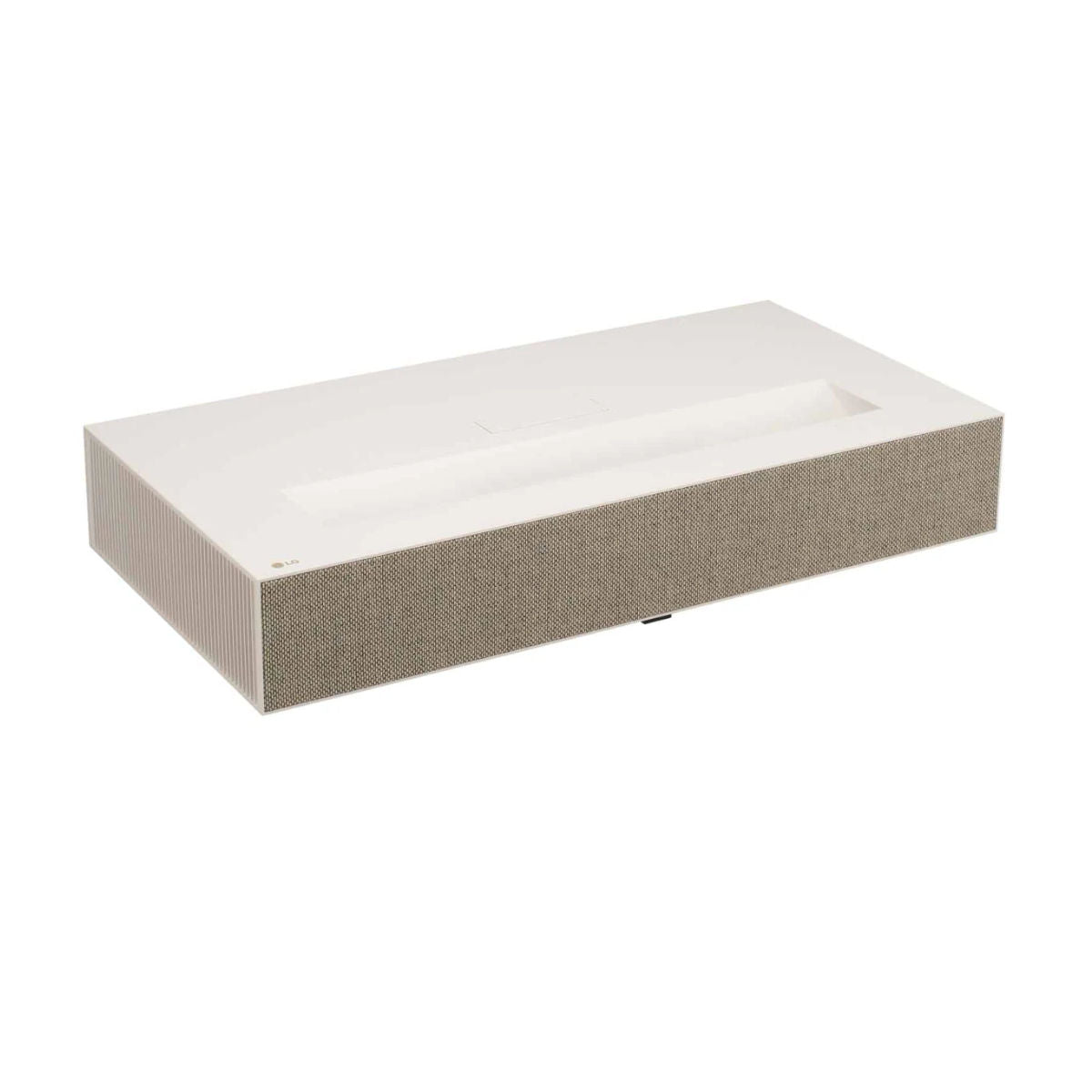
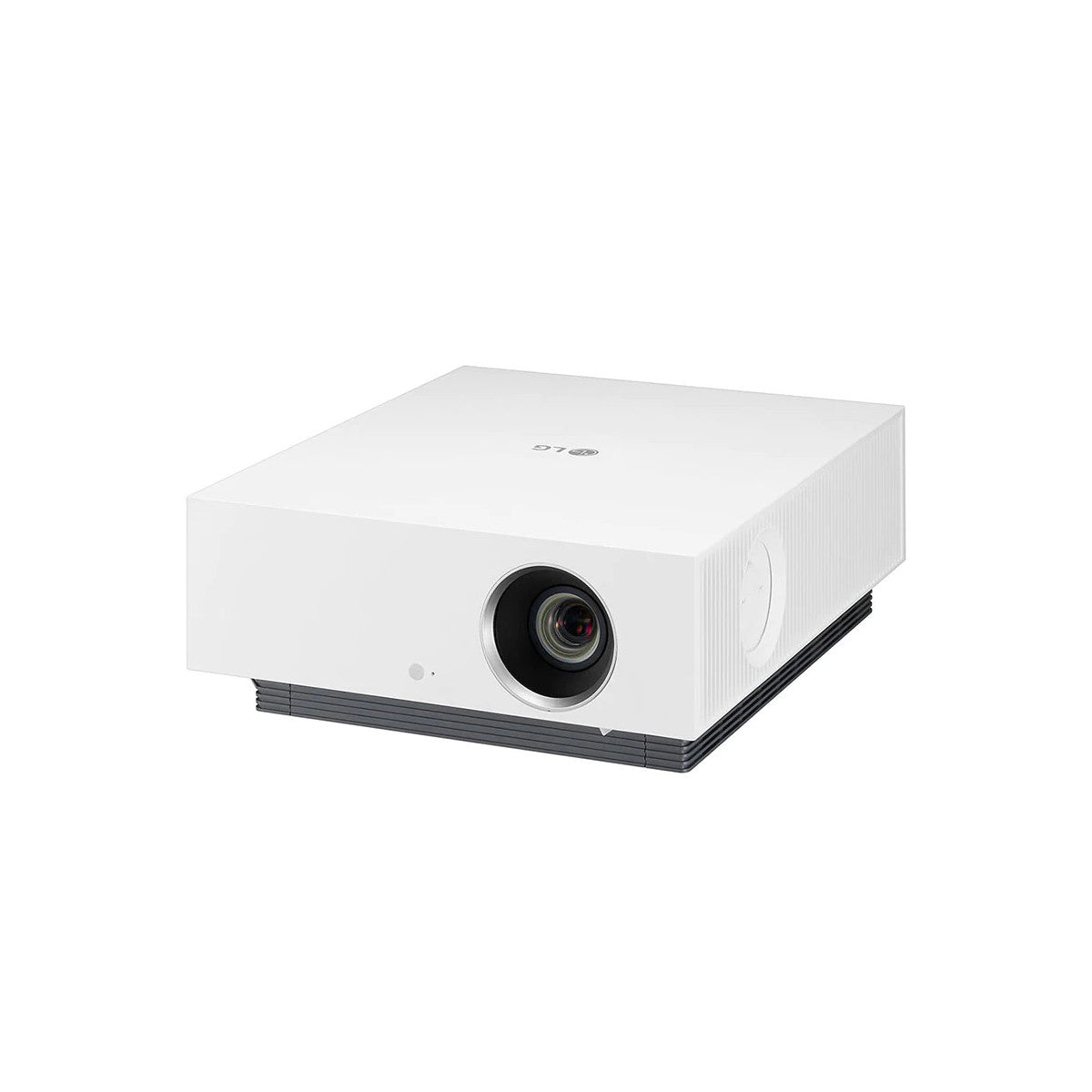
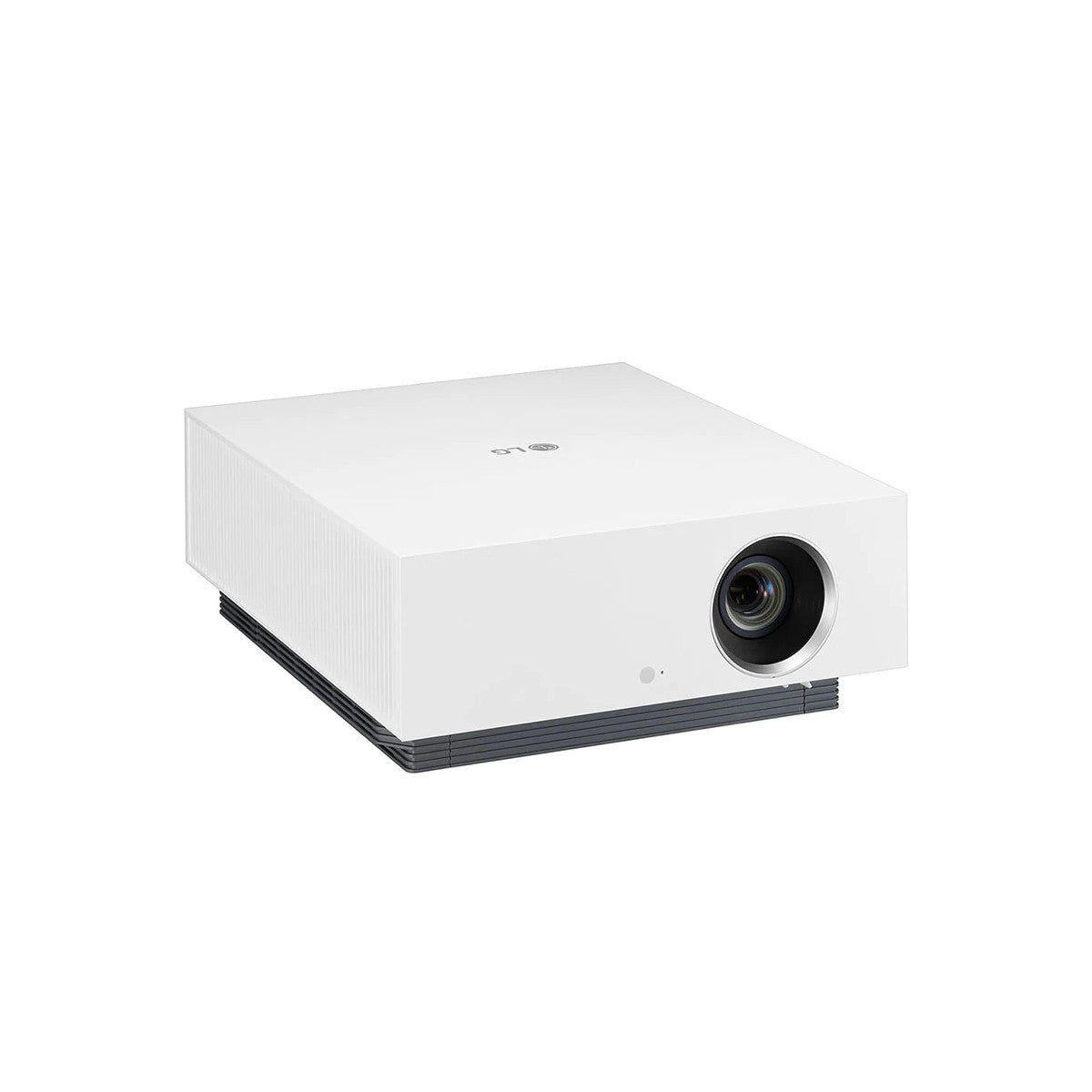
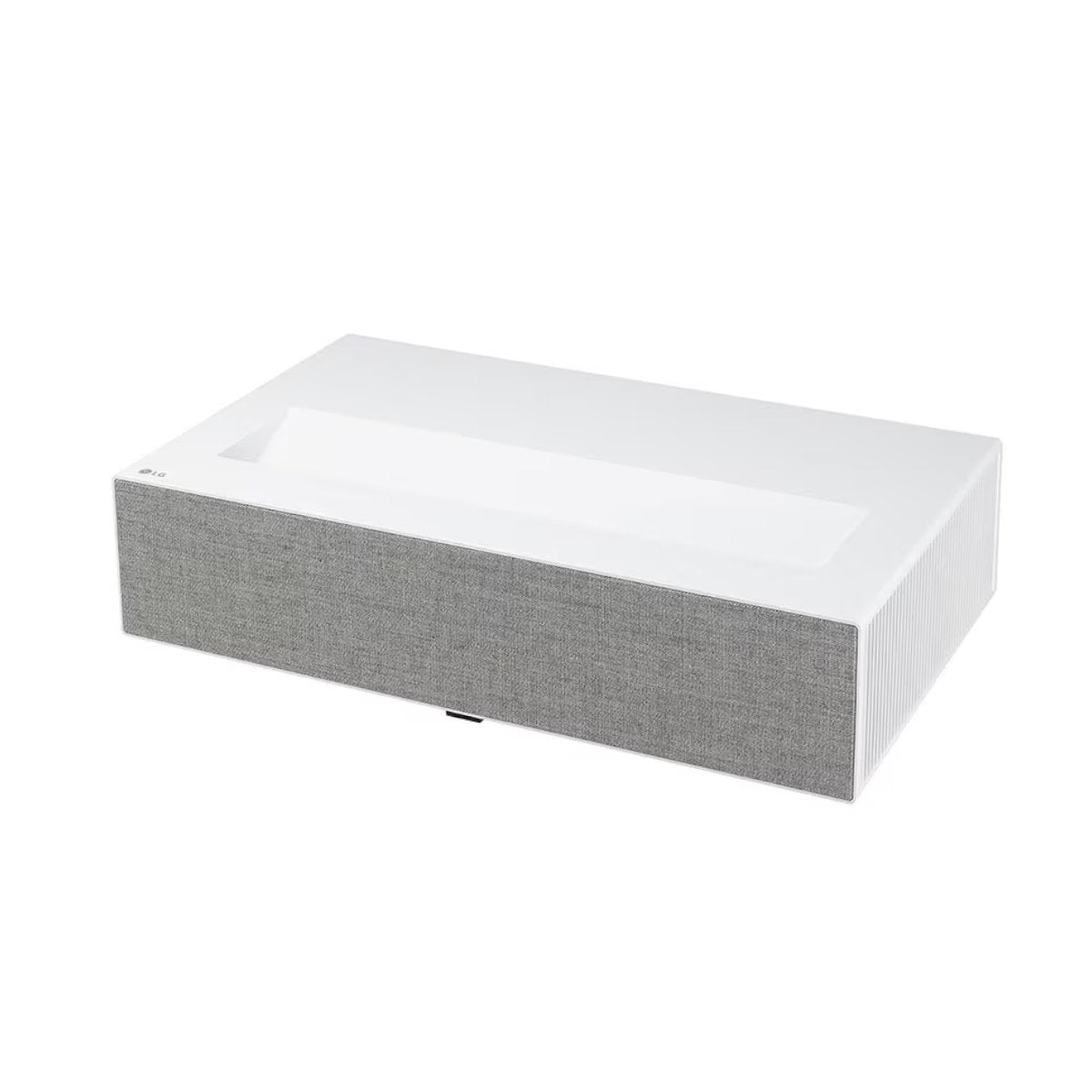
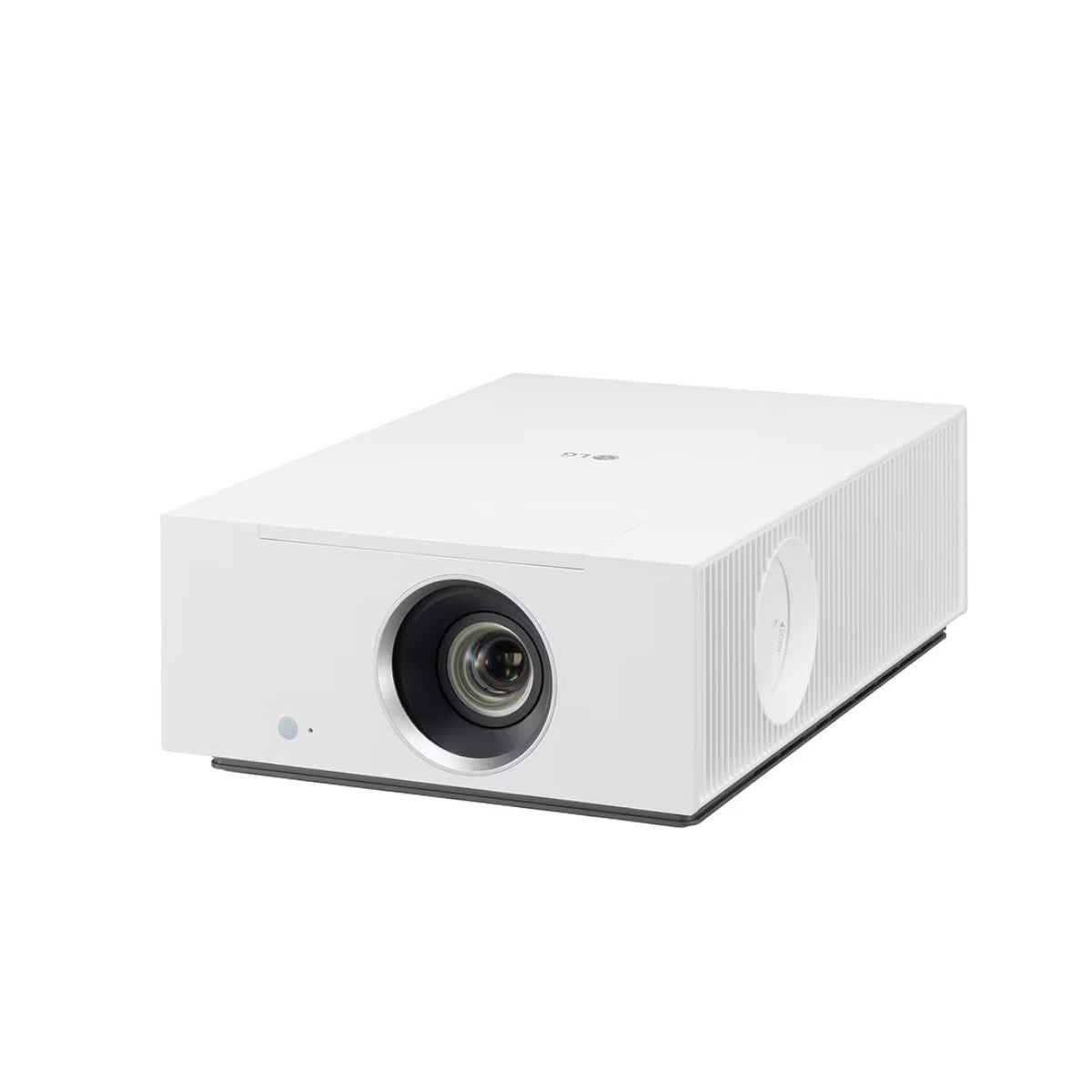
4) LG HU715Q CineBeam 4K UHD Laser UST Projector
Set up your own Theatre anywhere around the house with LG HU715Q CineBeam 4K UHD Laser UST Projector.
LG Ultra Short Throw CineBeam gives vivid imagery within an exceptionally short projection distance. Create an impressive Home Cinema Screen up to 120 (304.8cm)*. With 8.3 megapixels utilising 4K UHD Laser technology, LG CineBeam delivers precise details up to 120 (304.8cm) screen. With a 2M:1 contrast ratio it can express the deep darkness and brightness.
And it accurately represents colours in an indoor environment, attributable to a colour gamut 85% of DCI-P3 and 2,500 ANSI Lumens brightness.
5) Samsung The Premiere LSP9T 4K Smart Triple Laser Projector
Enjoy super-sized images from short distances in your Home Theatre with the Samsung The Premiere LSP9T 2800-Lumen 4K Projector. It has Wi-Fi and Ethernet connectivity built-in, enabling streaming from popular apps attributable to the onboard Tizen smart TV operating system.
The LSP9TProjector outputs up to 2800 lumens of brightness and projects 4K UHD on-screen resolution to provide vibrant, nuanced images. The Premiere is also compatible with the HDR10, HDR10+, and HLG HDR formats for more rich, lifelike colour with compatible content.
Q. Can I use a microphone cable for speakers?
A. It’s a common question if it’s a good idea to use a microphone for speakers?
The answer is yes, they are mostly preferred. Their real name is XLR. A type of connection popularly used in audio for many different things; even lights on big stages use them.
You can use microphone cables for speakers to create a noiseless, balanced connection between the audio source and the speaker. The speaker you connect through an XLR connector should be powered enough for a regular cable to be able to handle the voltage of the amplified signal.
Q. What are good portable projectors
A. Good portable projectors have several important characteristics. Firstly, they should be lightweight and compact, making them easy to transport and set up in different locations. Secondly, they should have a high resolution and brightness level, which ensures that images and videos are clear and bright even in well-lit environments. Thirdly, they should have a long battery life, allowing them to be used for extended periods without the need for frequent recharging. Fourthly, they should have a range of connectivity options, including HDMI and USB ports, as well as wireless connectivity such as Bluetooth or Wi-Fi. Finally, they should be user-friendly, with intuitive controls and easy-to-navigate menus. All of these characteristics are important for a portable projector to be effective and practical for a variety of uses, whether for business presentations or entertainment purposes.
Our Top Picks - Learn More About Home Theatre Projectors
Debunking Home Theatre Projectors Myths
Projectors Versus TV: How to Decide Which is Best for Your Home Theatre
Here's everything you need to know before you buy a home theatre projector
Projectors: the Silent Heroes of Home Theater Systems
DLP vs LCD Projectors - What's the difference?

 Vendor:Epson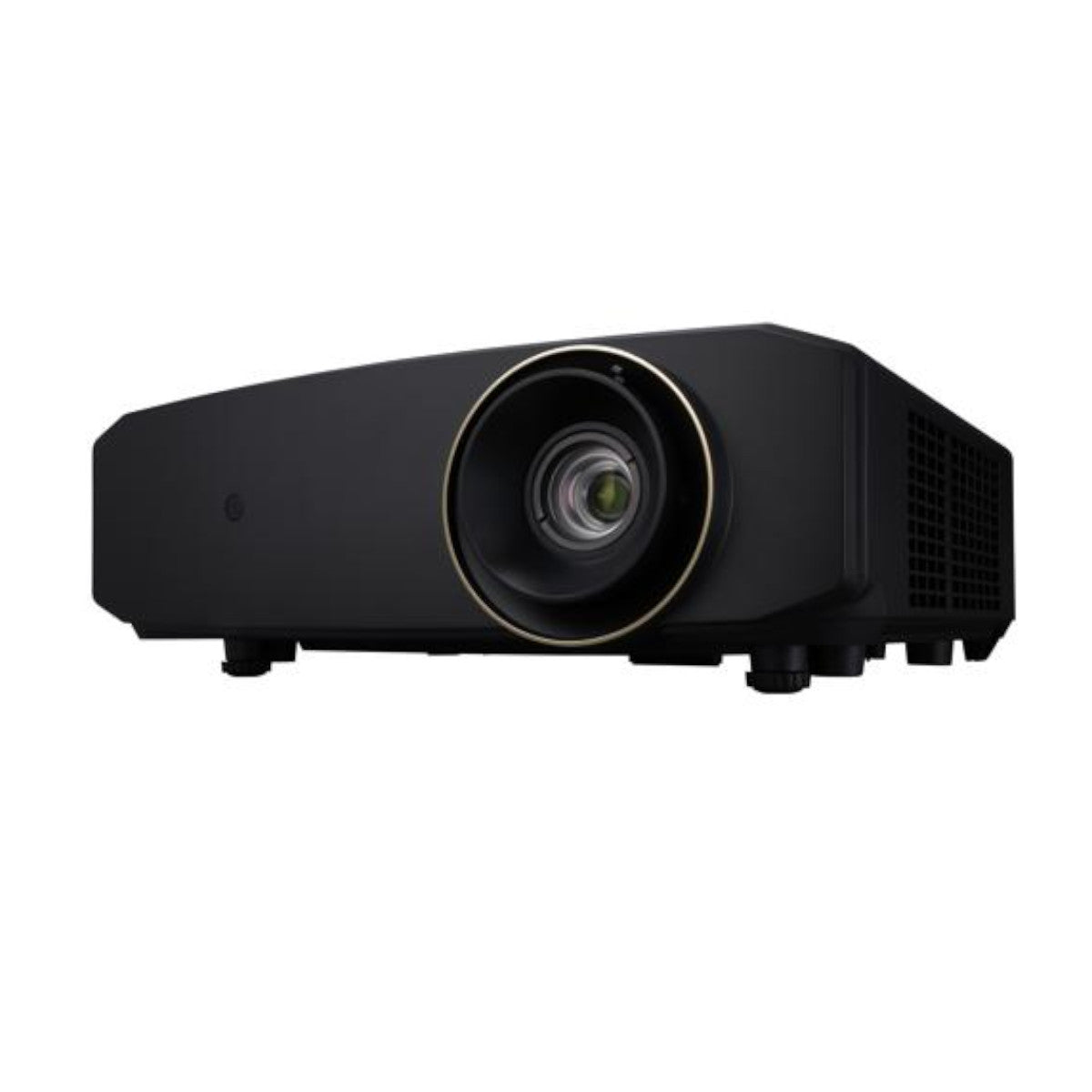
 Vendor:JVC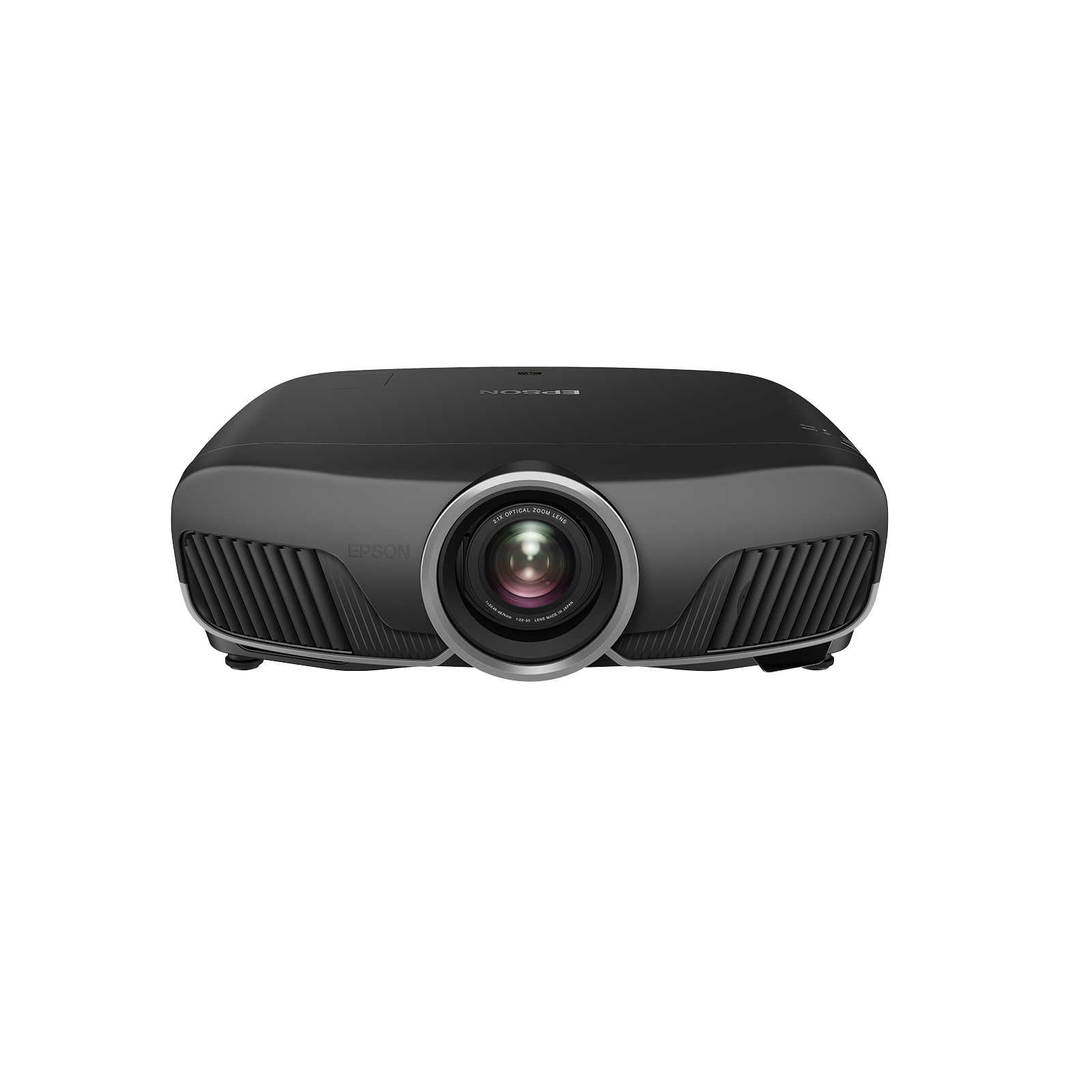
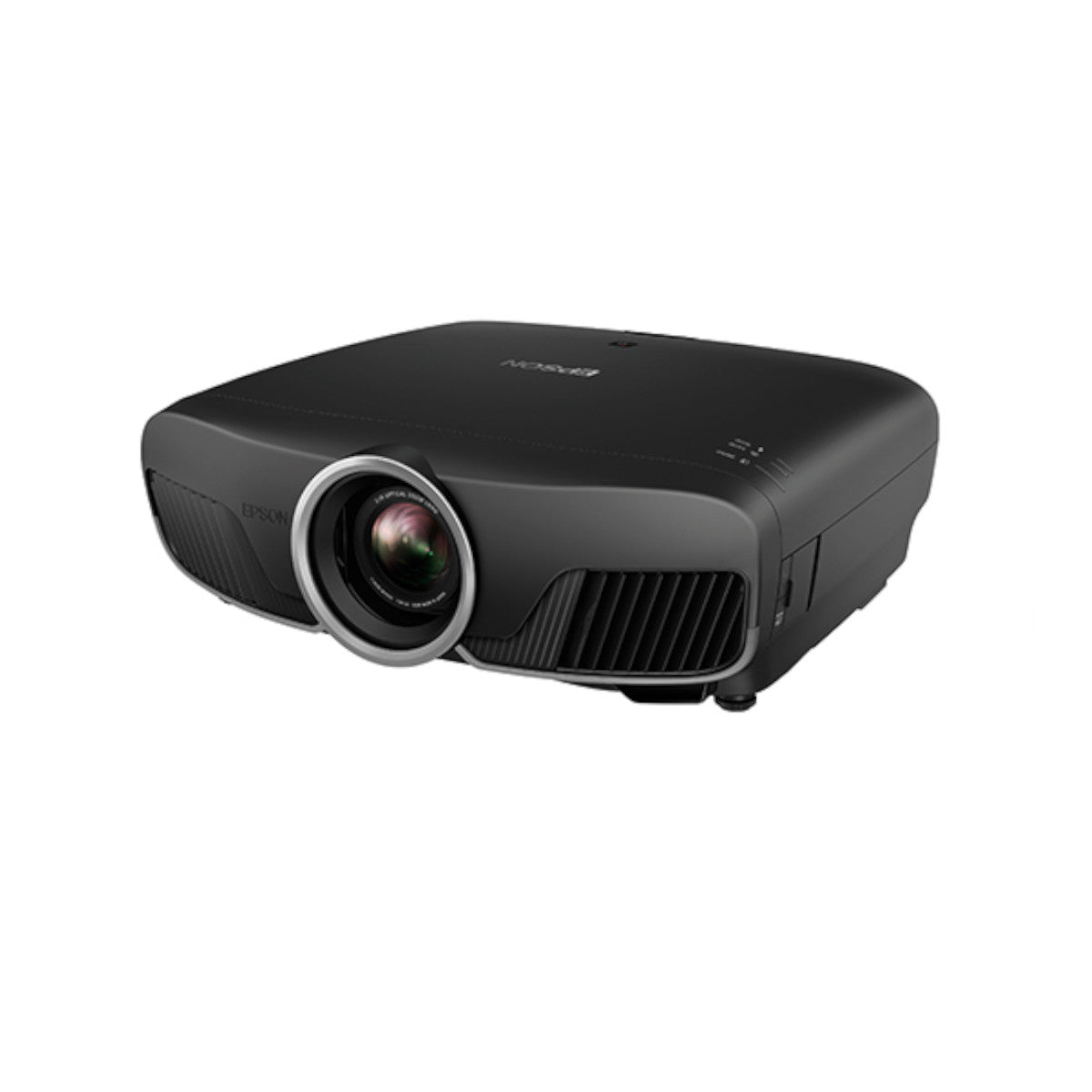 Vendor:Epson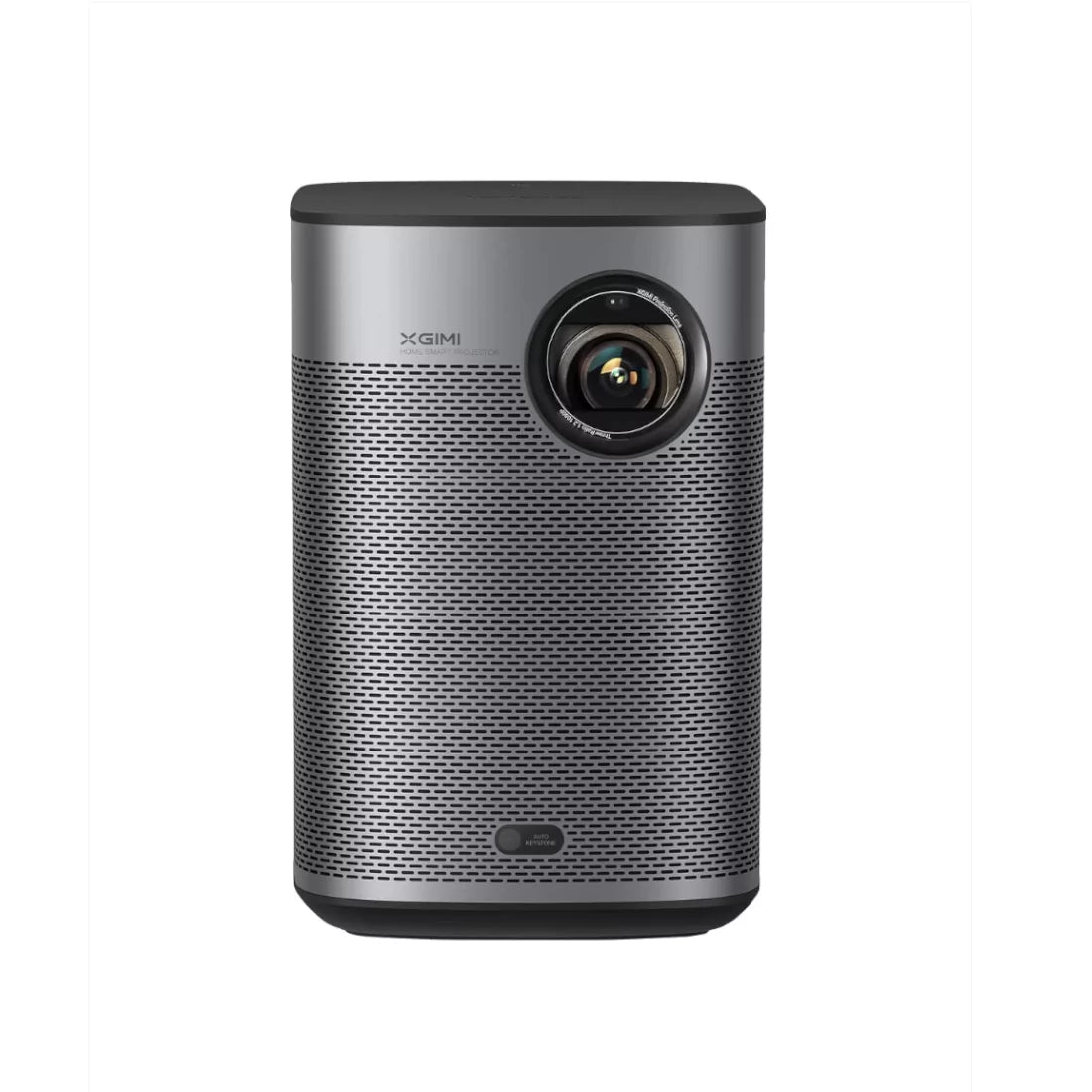
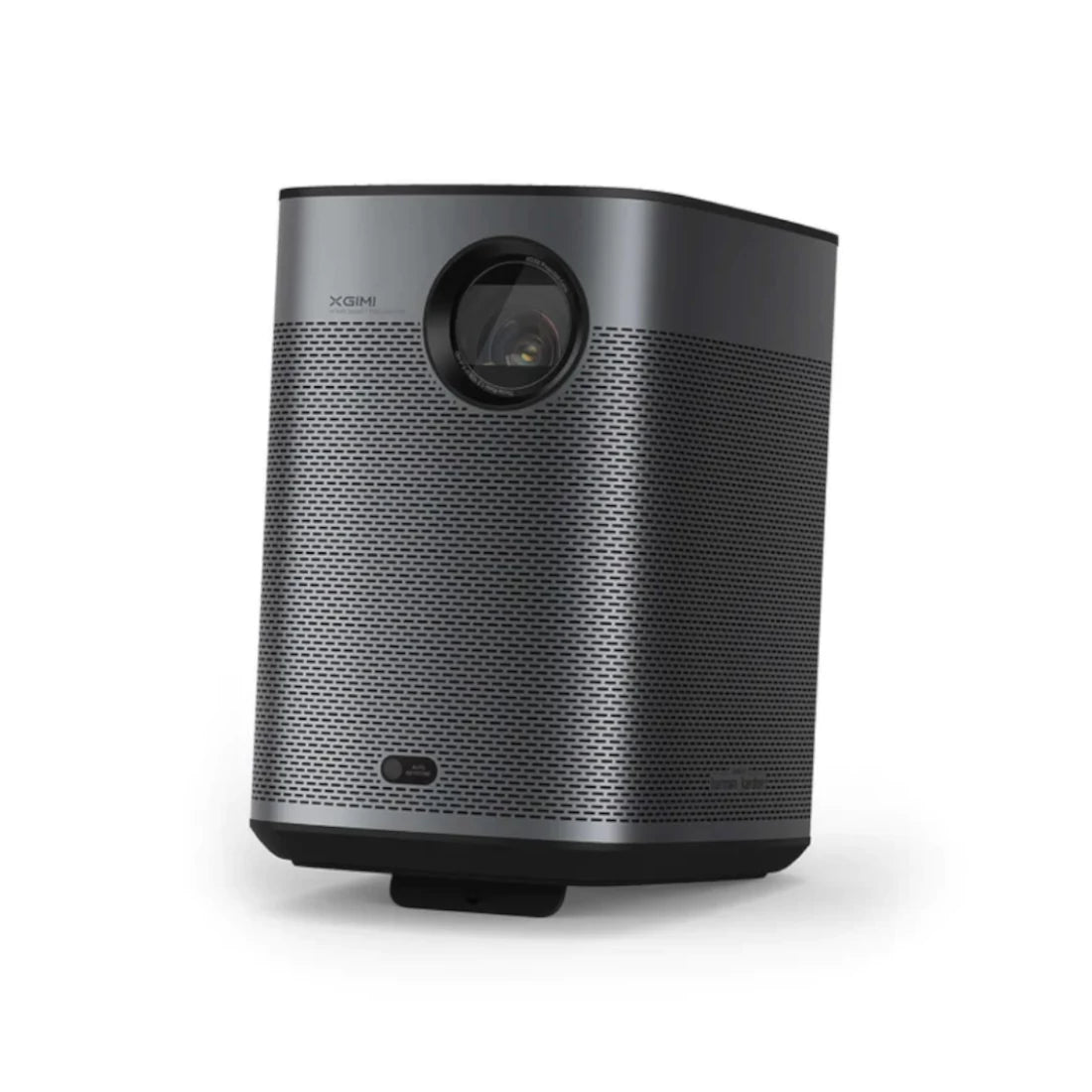 Vendor:XGIMI
 Vendor:Epson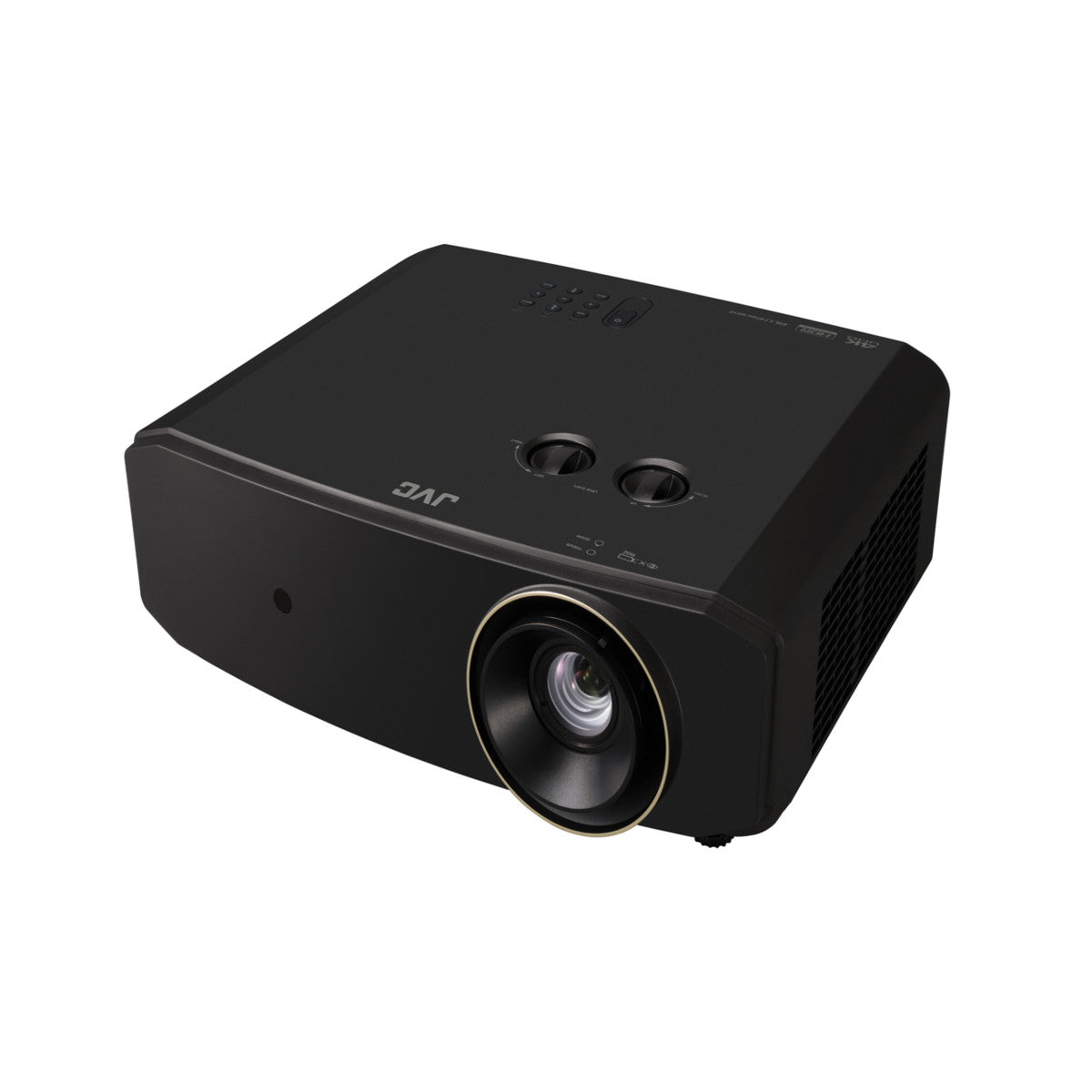
 Vendor:JVC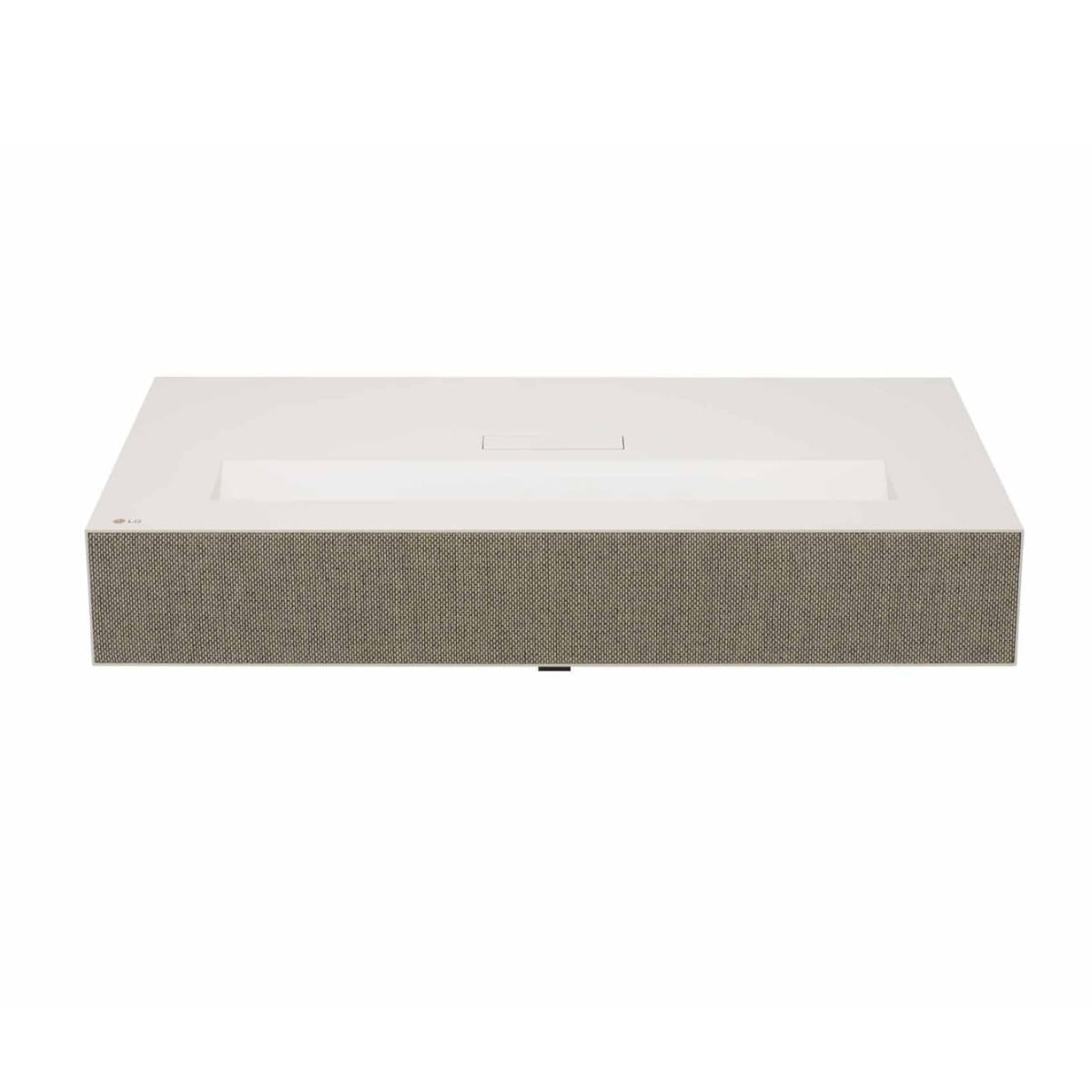
 Vendor:LG
 Vendor:Epson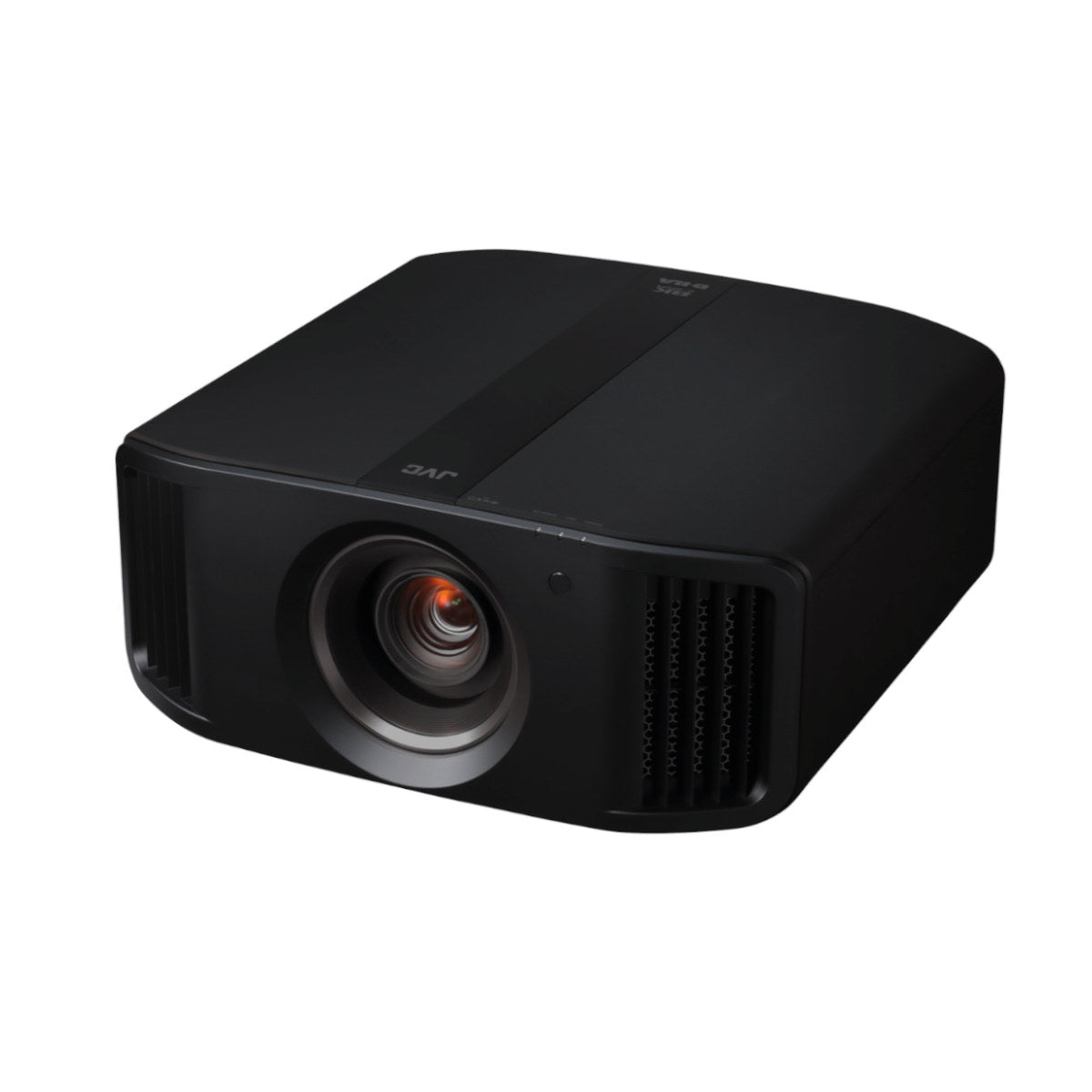
 Vendor:JVC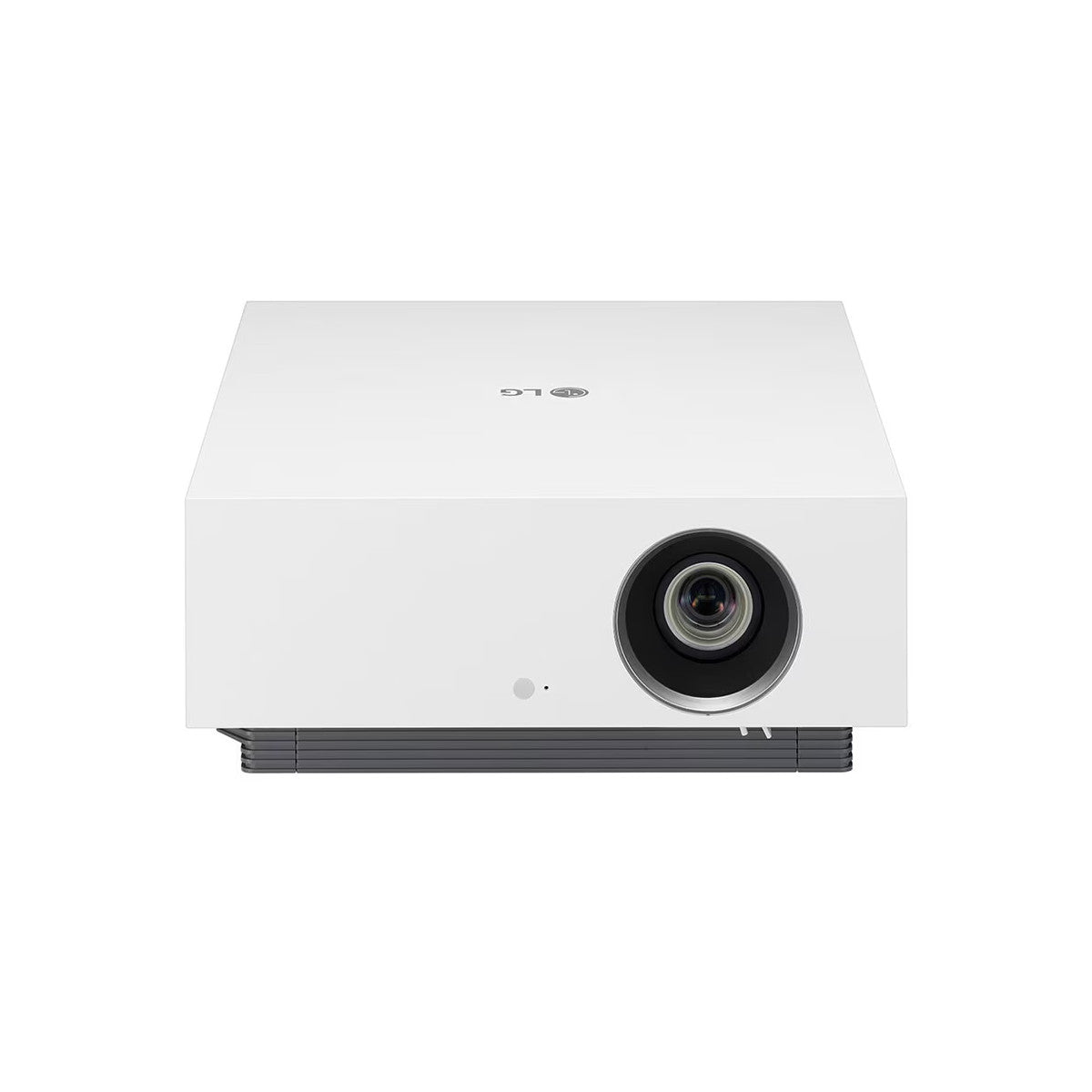
 Vendor:LG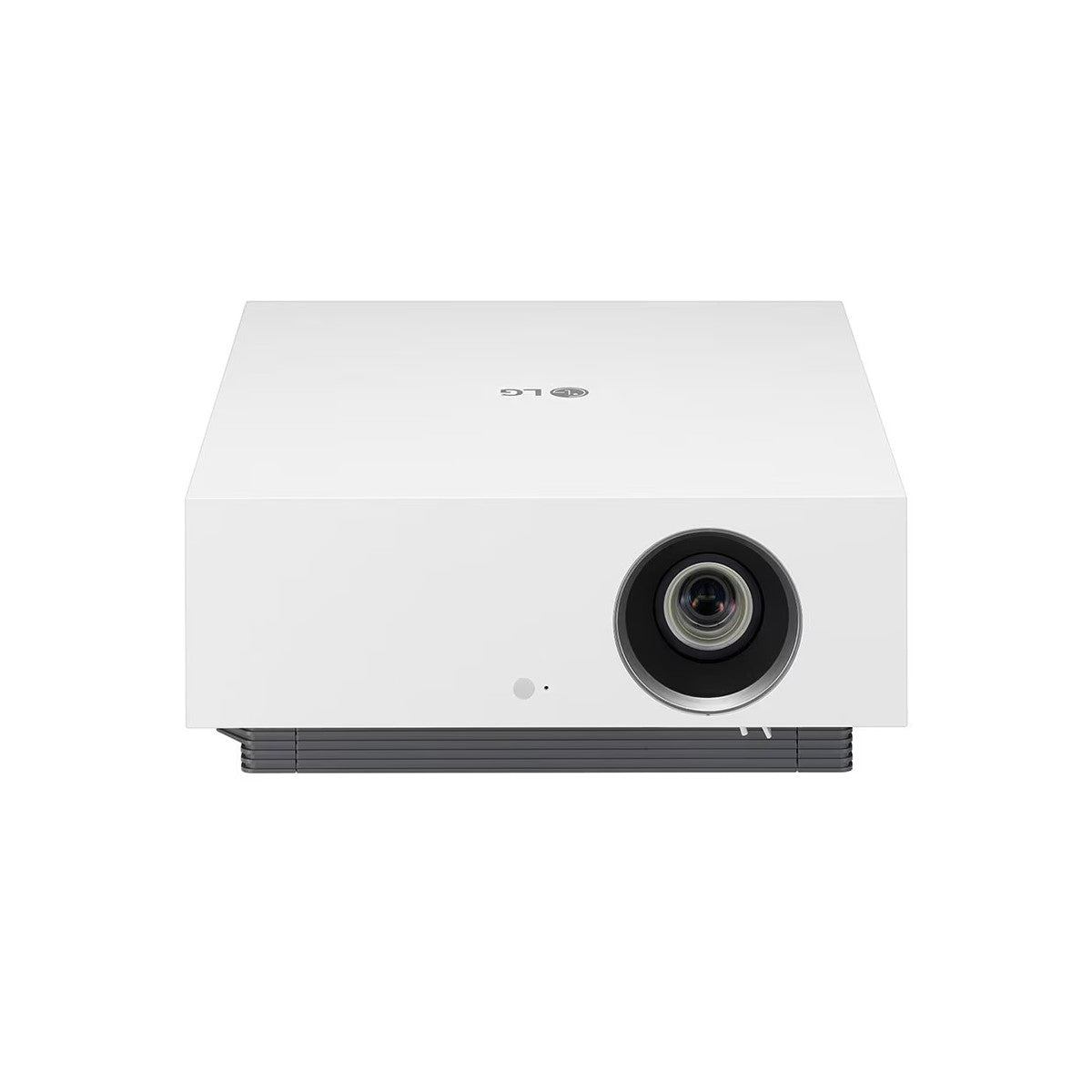
 Vendor:LG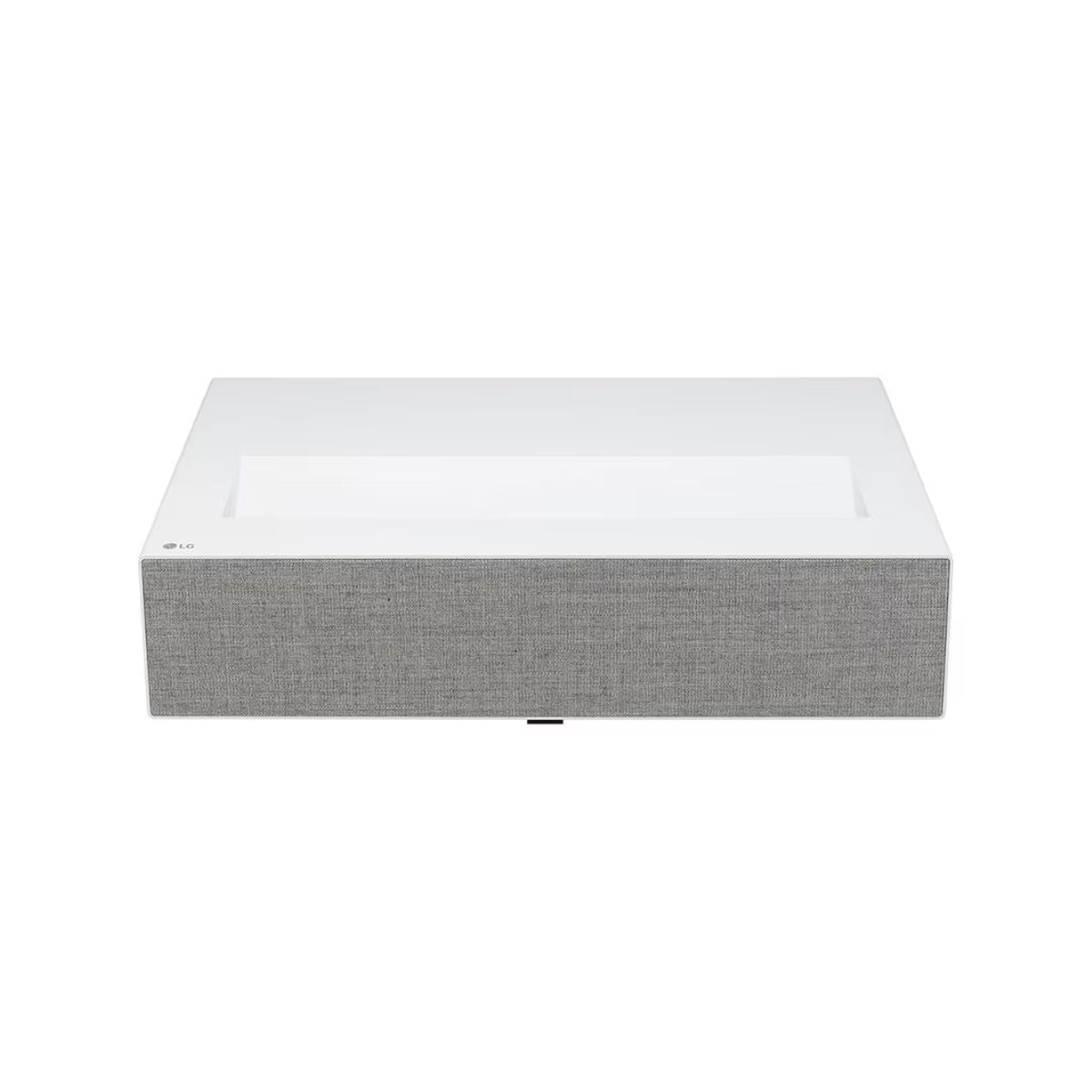
 Vendor:LG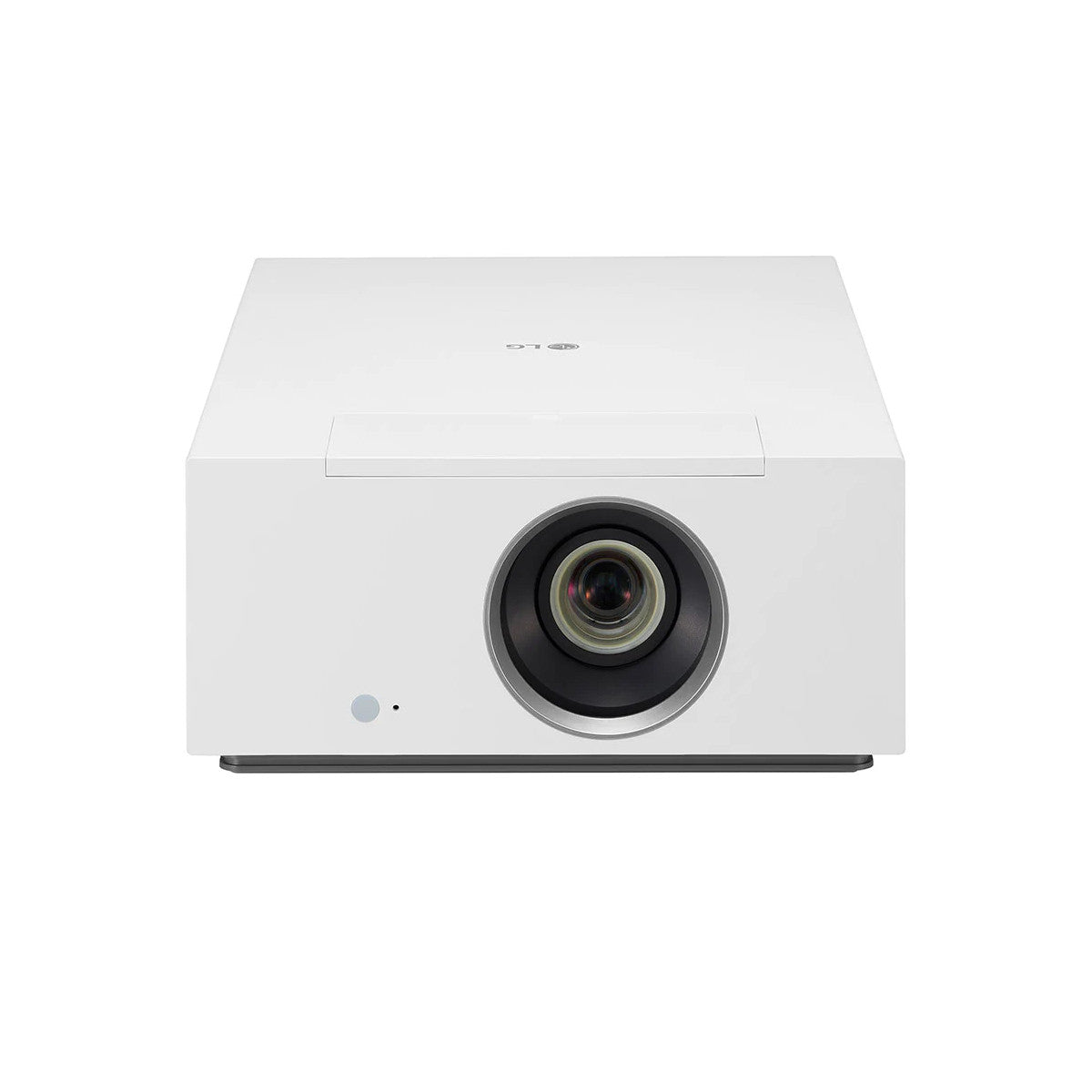
 Vendor:LG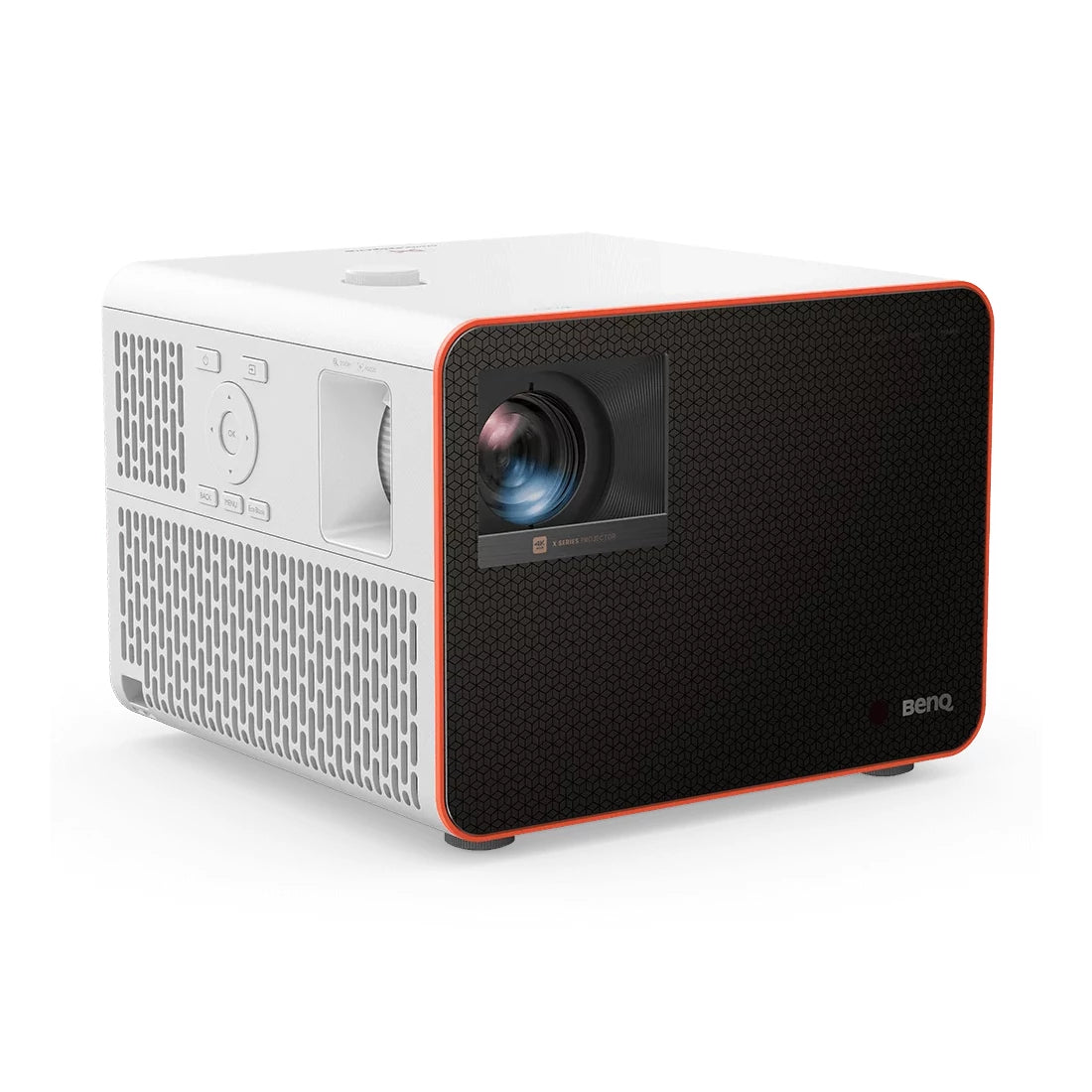
 Vendor:BenQ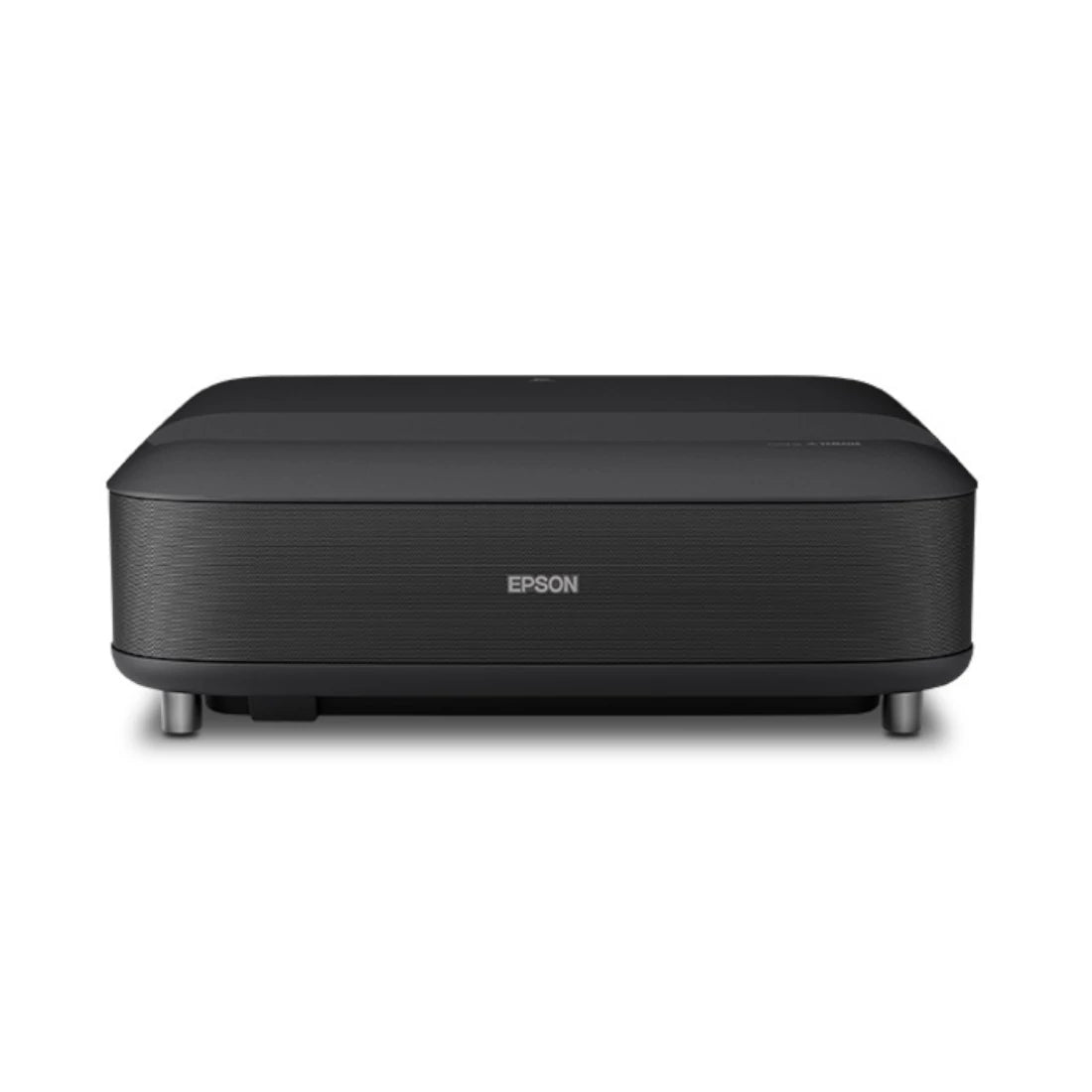
 Vendor:Epson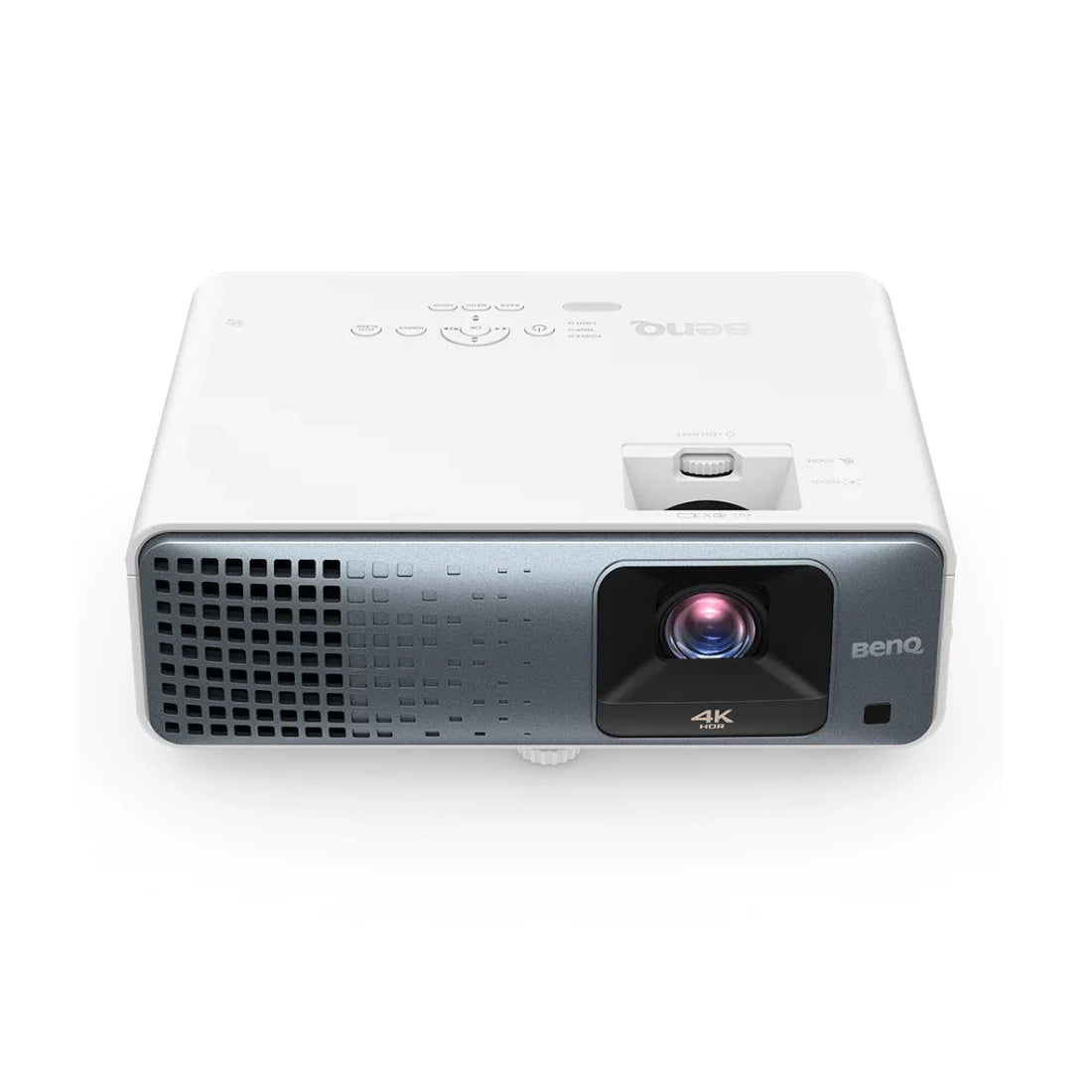
 Vendor:BenQ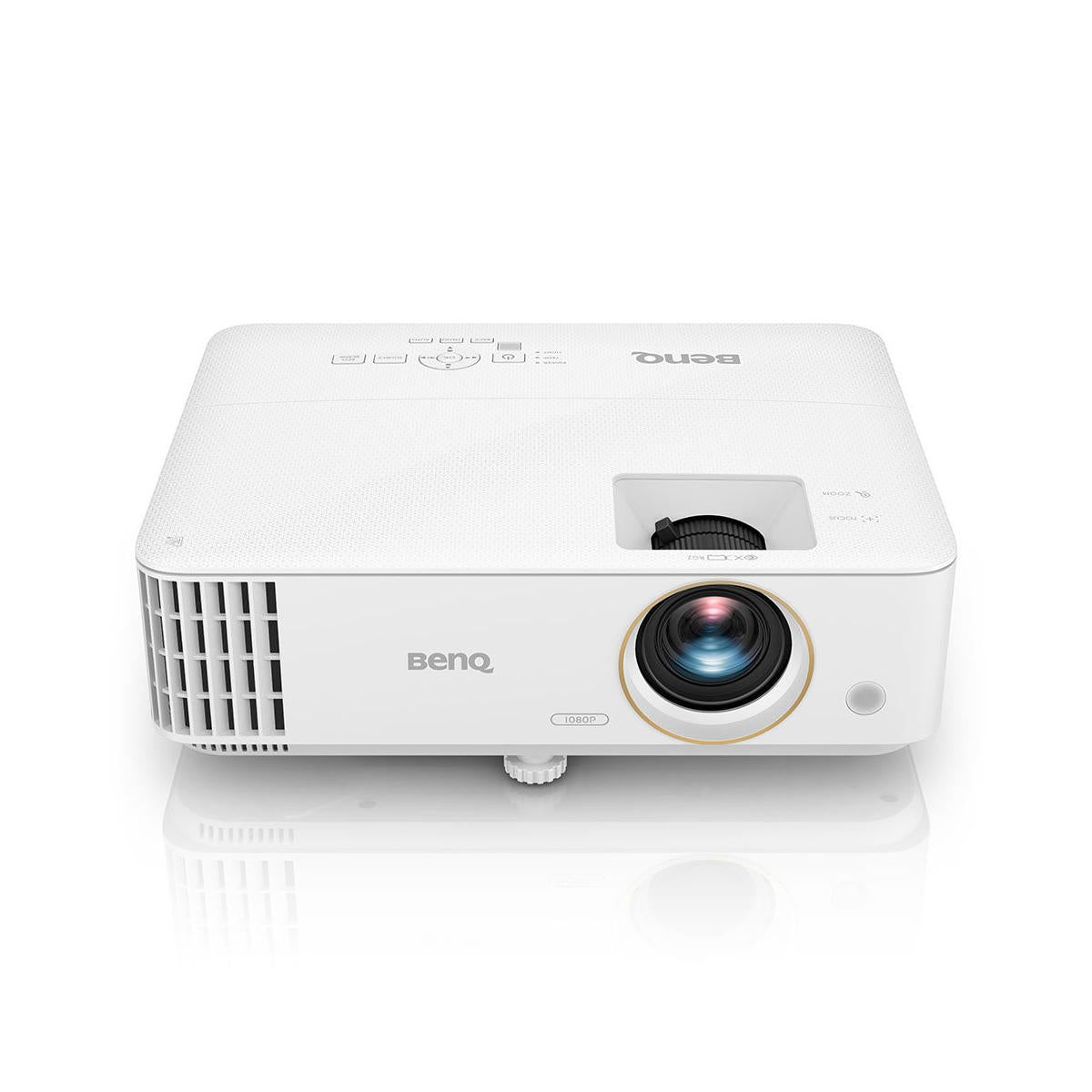
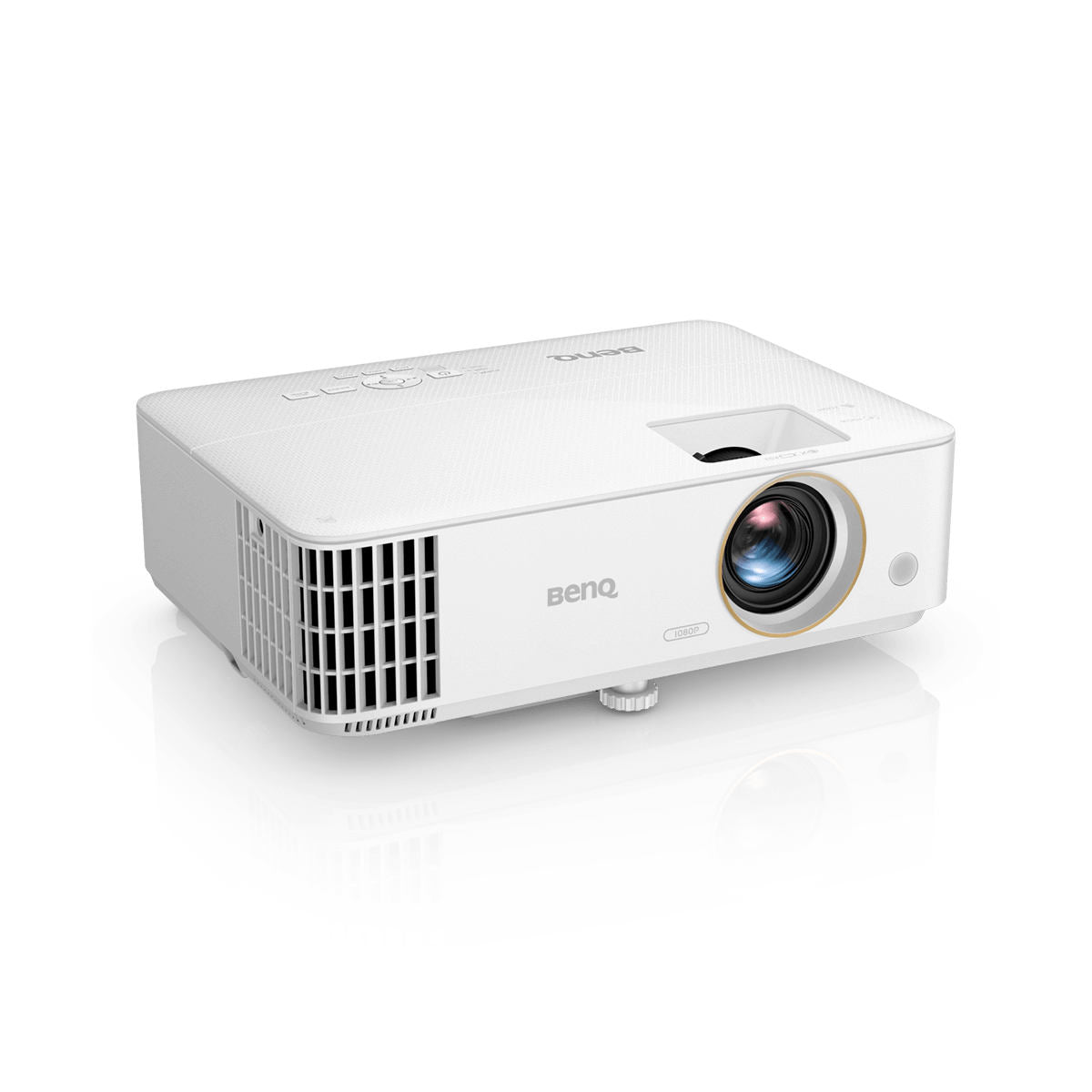 Vendor:BenQ
 Vendor:BenQ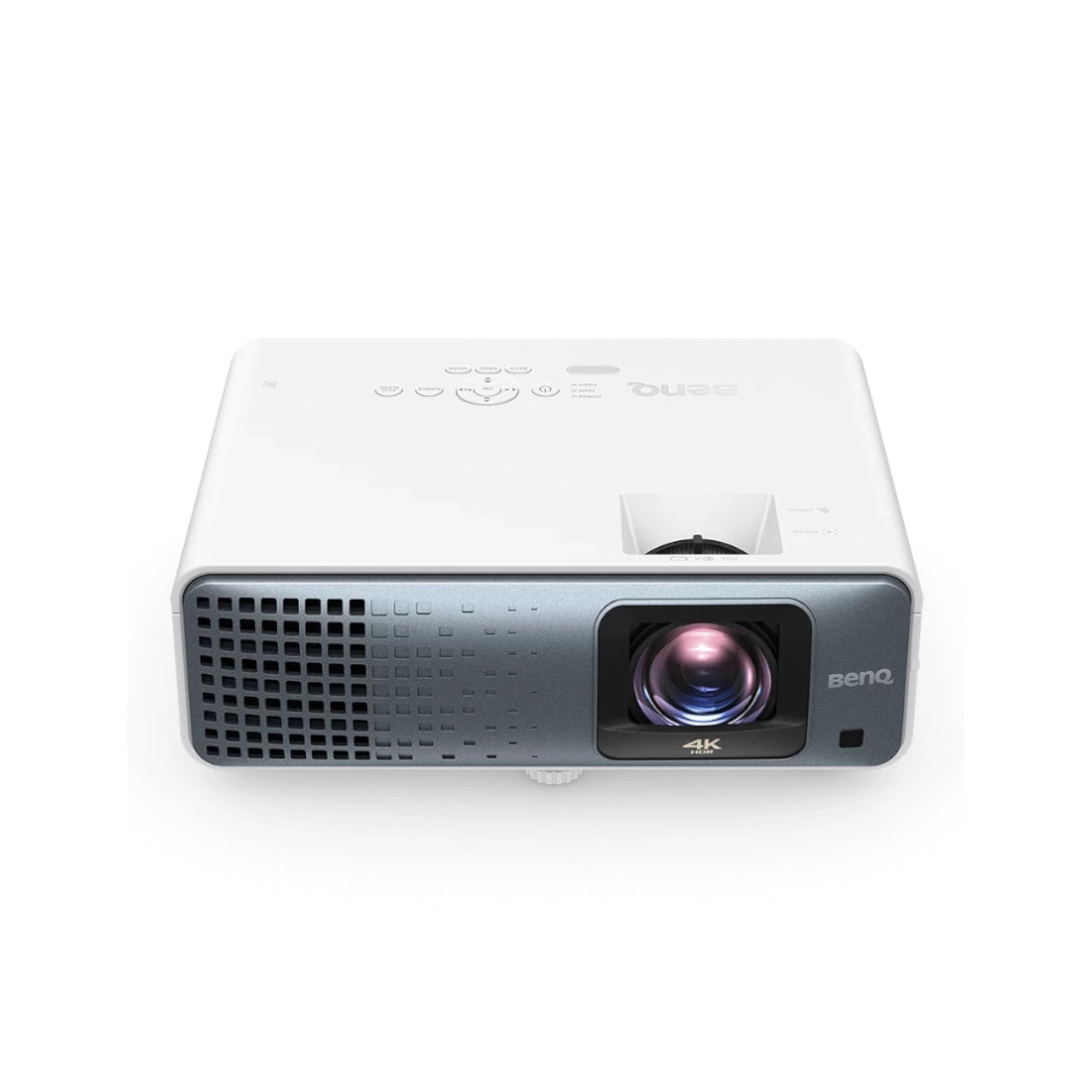
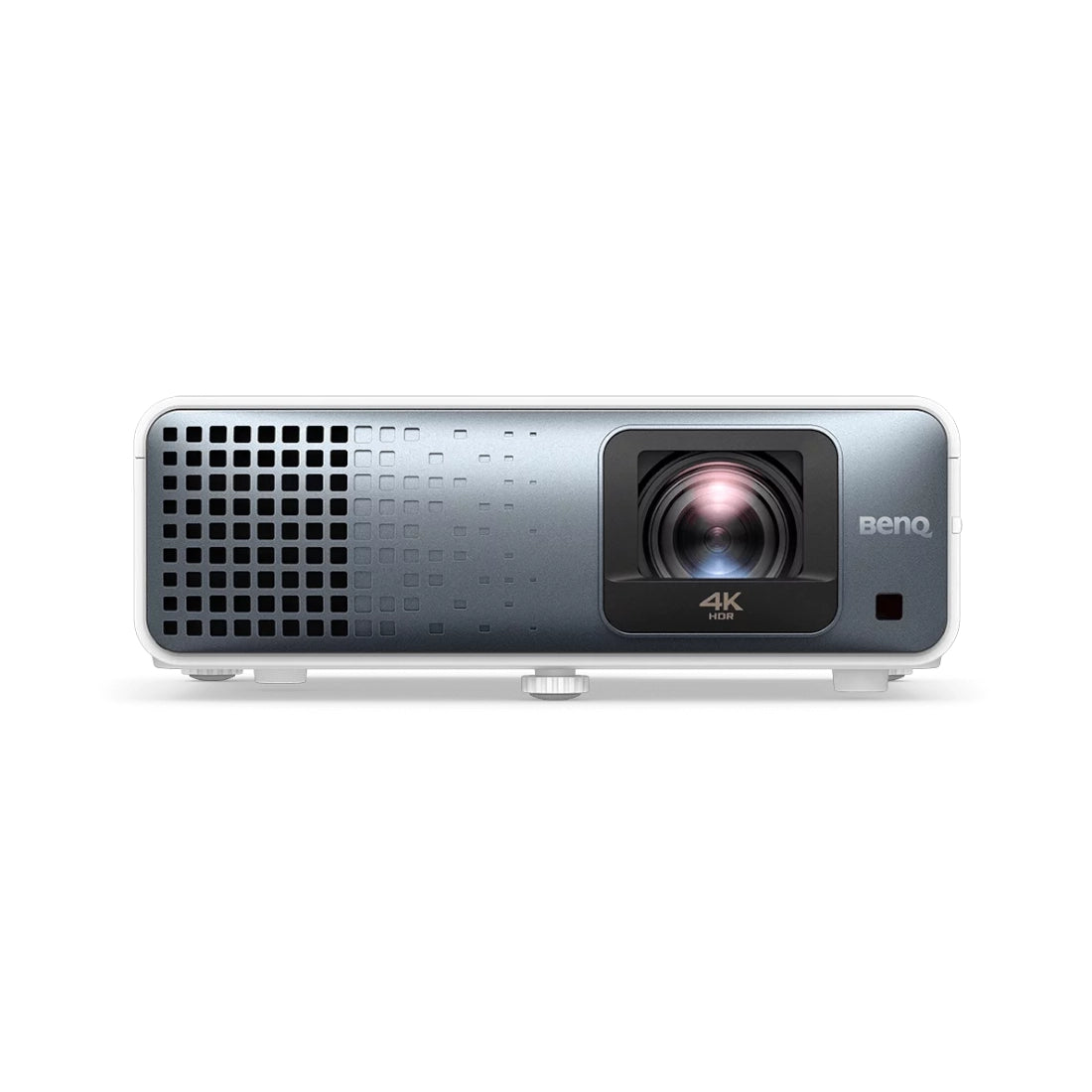 Vendor:BenQ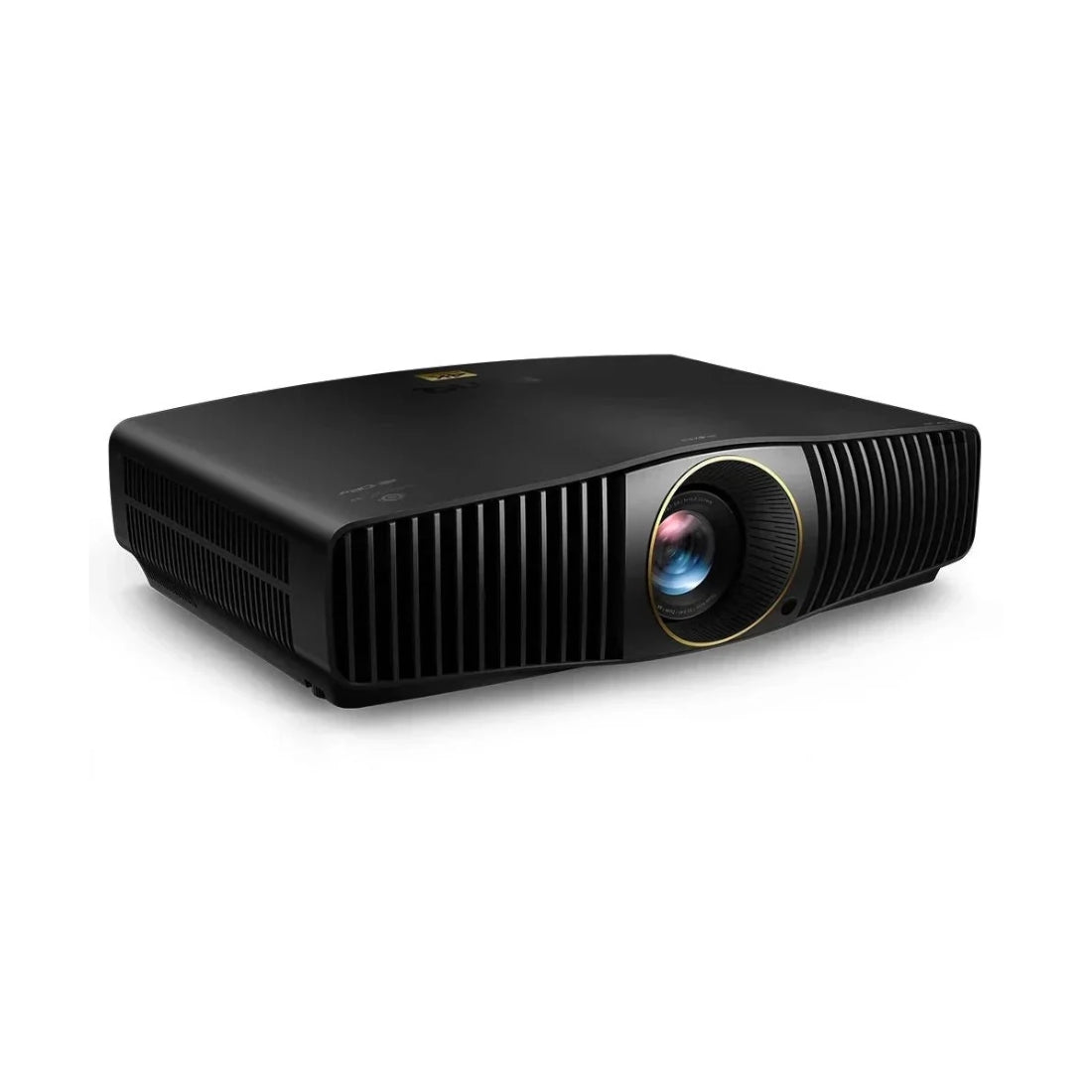
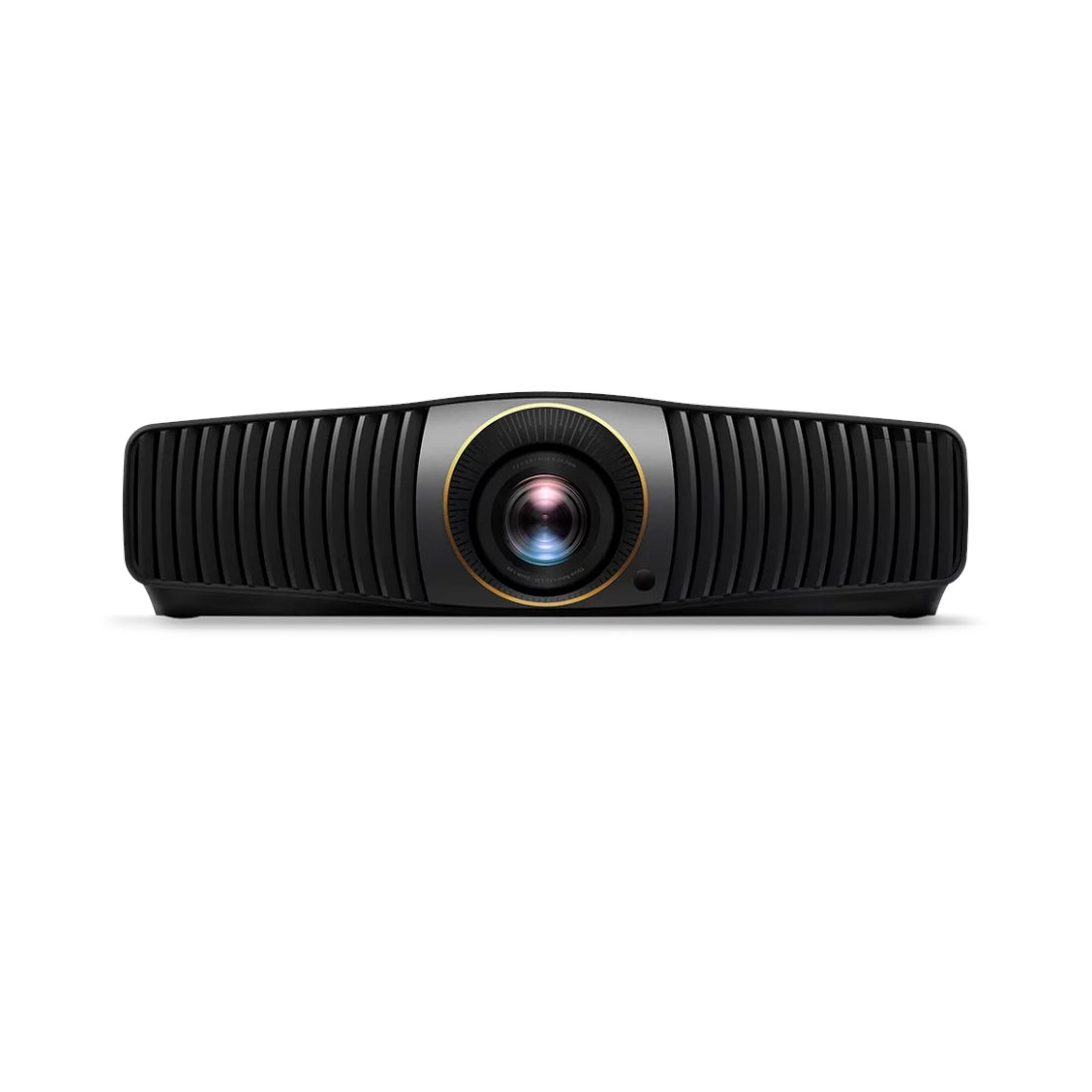 Vendor:BenQ


