

Whether it is the functionally sophisticated TVs, A/V receivers or the next-gen gaming systems, HDMI 2.1 is the new standard, surpassing the glory of HDMI 2.0 and 2.0b.
To experience the best that the high-definition wiring has to offer, the lesser rated inputs need to make way for HDMI 2.1 cables. (It doesn’t mean that your TV is about to become obsolete, rather it’s far from it)
The HDMI 2.1 standard is backwards-compatible and can be used with the existing installed base of HDMI devices.
So, your TV is good to go if you have only purchased it some years back. Breathe easy!
Why HDMI 2.1 Is Not Just A Shining, New Successor To HDMI 2.0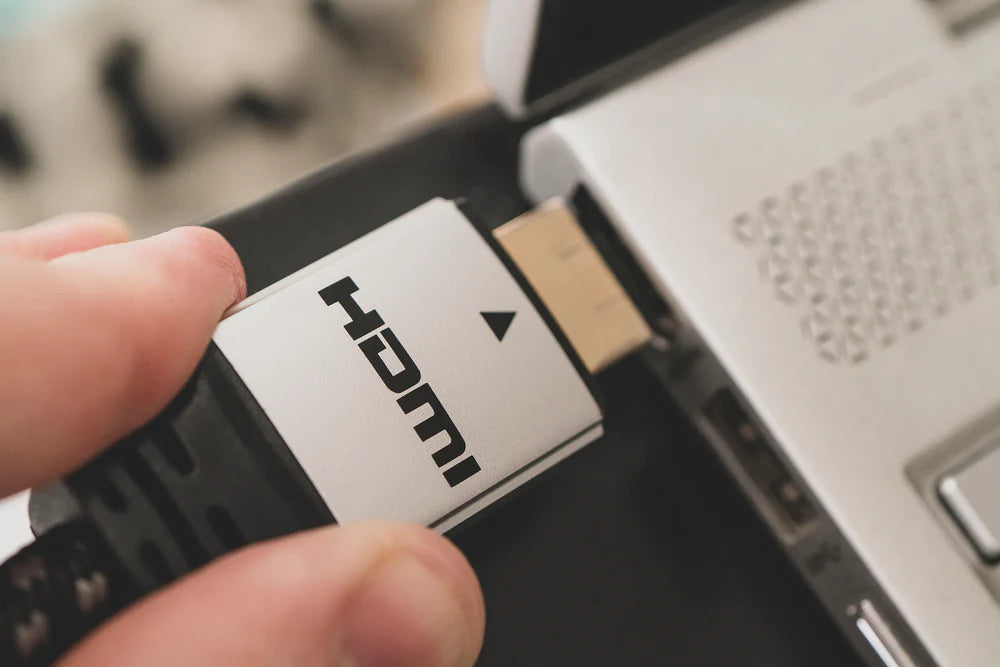
Your Blu-ray players, gaming consoles, media players, streaming devices like FireTV or AppleTV or even the conventional TVs or projectors — all need to be connected with an HDMI (High Definition Multimedia Interface), so the audio and video are integrated into one convenient and widely accepted cable format.
That’s why the recent update of HDMI specification, HDMI 2.1 is worth talking about.
HDMI 2.1 not only offers a suite of exciting features but also a massive data bandwidth for your source-to-display connection.
Also Read: What Is HDMI 2.1 and Why Is It Making a BIG Splash?
Here’s a comprehensive feature table to check out:
|
5940 MHz |
|
Fixed transmission frequency |
|
Dynamic HDR |
|
It can handle up to 10K content |
|
16b/18b encoding type |
|
More future proof, can accommodate future HDR updates |
|
A better upgrade for virtual reality gamers |
|
Eliminates issues around screen tearing and input lag |
|
Bandwidth at 120 frames per second |
All this means, with the new version of HDMI ultra high speed cables, there’s more power to the gamers, ease of use, visual appeal and enhanced audio with huge support for up to massive 10K resolution content.
Also Read: Tips for buying an HDMI cable
Buying a New TV? Then Get One With HDMI 2.1 Inputs. Here’s Why
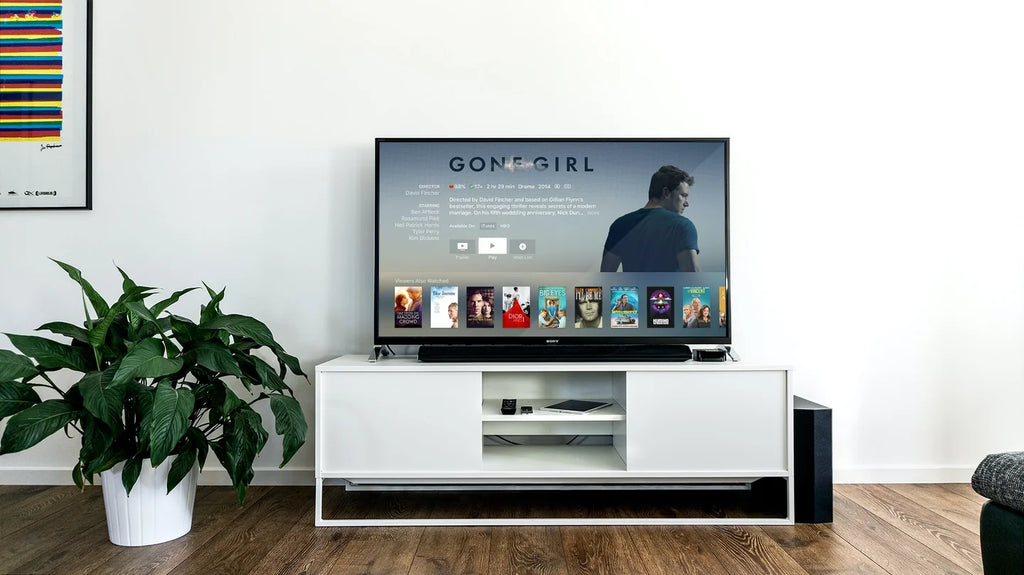
If you are planning to buy your flagship TV, get one that has HDMI 2.1 inputs so you enjoy a host of enhanced features of HDMI 2.1 that include:
- Variable refresh rate (VRR) to cut down lag and frame tearing.
- Quick media switching (QMS) counters the common problem of the blank screen appearing before displaying content.
- Quick frame transport (QFT) reduces the latency for smoothness.
- Auto low latency mode (ALLM), which automates deal latency for vibrant, uninterrupted content.
Also Read: What is HDMI ARC? Everything you need to know about it!
A Word on the Significant Difference Between 4K And 8K HDMI Cable
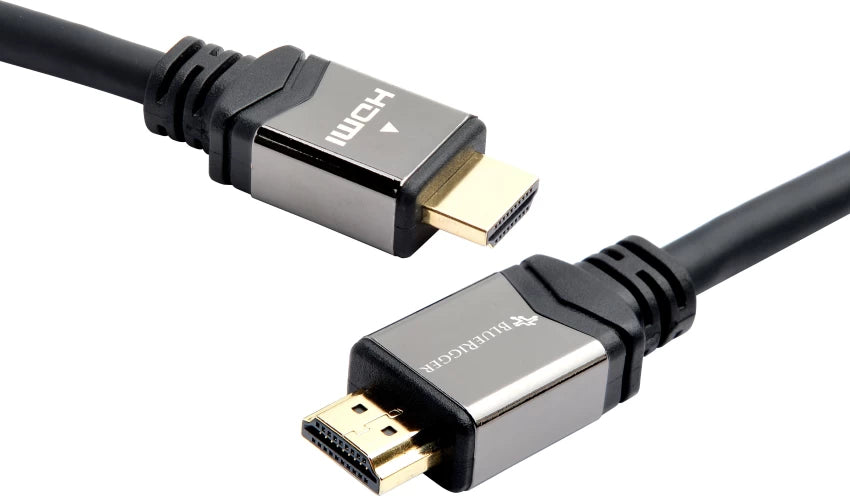
A key difference is that 8K is an HDMI 2.1 version while 4K is an HDMI 2.0: 8K HDMI 2.1 transmits data at 60 frames per second (fps) and 4K content at 120fps, while 4K HDMI2. 0 has the limitation of transmitting only 4K data at 60fps.
You can use 8K resolution on a 4K TV and get twice the frames as opposed to using a 4K cable.
Also Read: What is HDMI eARC? How it is different from HDMI ARC
Are there Disadvantages of Switching to HDMI 2.1?
HDMI 2.1 cables have a restricted length range and can only support one display at a time, but besides that they are mostly up to the task and we would recommend that your next TV has it.
Just be mindful that when shopping for a new HDMI 2.1-capable TV, which of the HDMI 2.1 features the TV/manufacturer supports since not all HDMI 2.1 TVs are created equal, so buyer beware!
Bear in mind that HDMI 2.1 is definitely a big upgrade over the existing HDMI 2.0 standards.
That concludes our walkthrough of HDMI 2.1. As is evident, the new standard of HDMI 2.1 opens up a slew of new possibilities. That’s why there’s never been a better time to opt for a 2.1-capable TV or AV Receiver.


