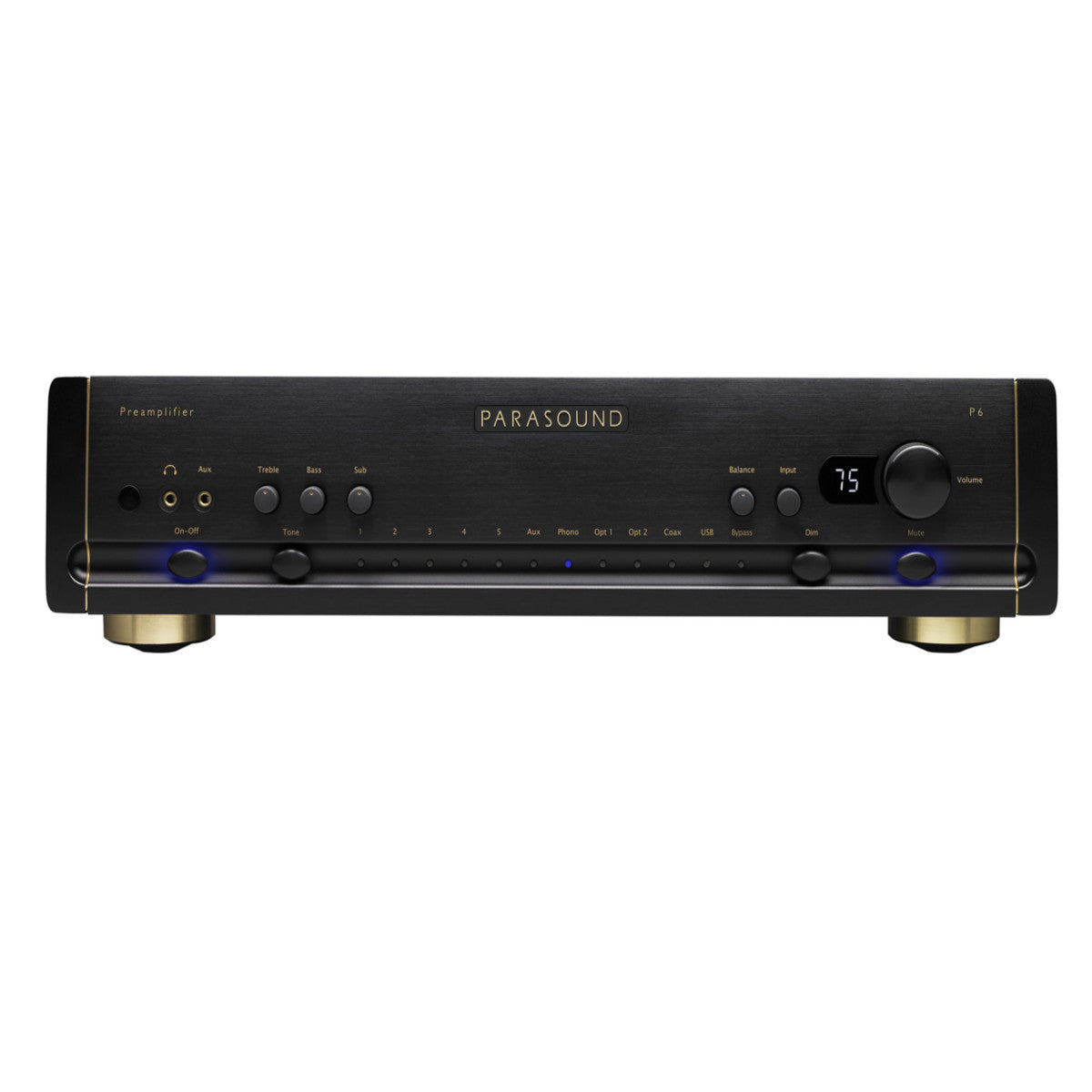
Preamplifiers - Enjoy Improved Sound Quality
Want to improve your sound quality? Then a preamp is a great pick. It goes a long way in adding character, warmth, and dimension to your favourite music.
It is both a technical and creative tool. A pre-amp provides a small amount of amplification, only enough to send the signal to the power amplifier, which amplifies the signal enough to power speakers.
What is a Preamplifier? Do you need one?
Essentially, preamps are a a piece of processing equipment that increase the gain of a signal.
The preamplifier is the first stop for the audio signal before it passes through the amplifier and into the speakers.
The sound contribution of pre amplifiers is in the texture it imparts to the sound. Best preamps boost the signal. Irrespective of the requirement. In a home theatre system, the audio preamplifier handles switching between different line level sources and strengthens the electrical signal for additional processing, preventing noise and offering cleaner output.
Besides a powerful amplifier and speakers, you need a pre amplifier. You need one to tackle basic gain staging issues.
What to Look for in a Preamp?
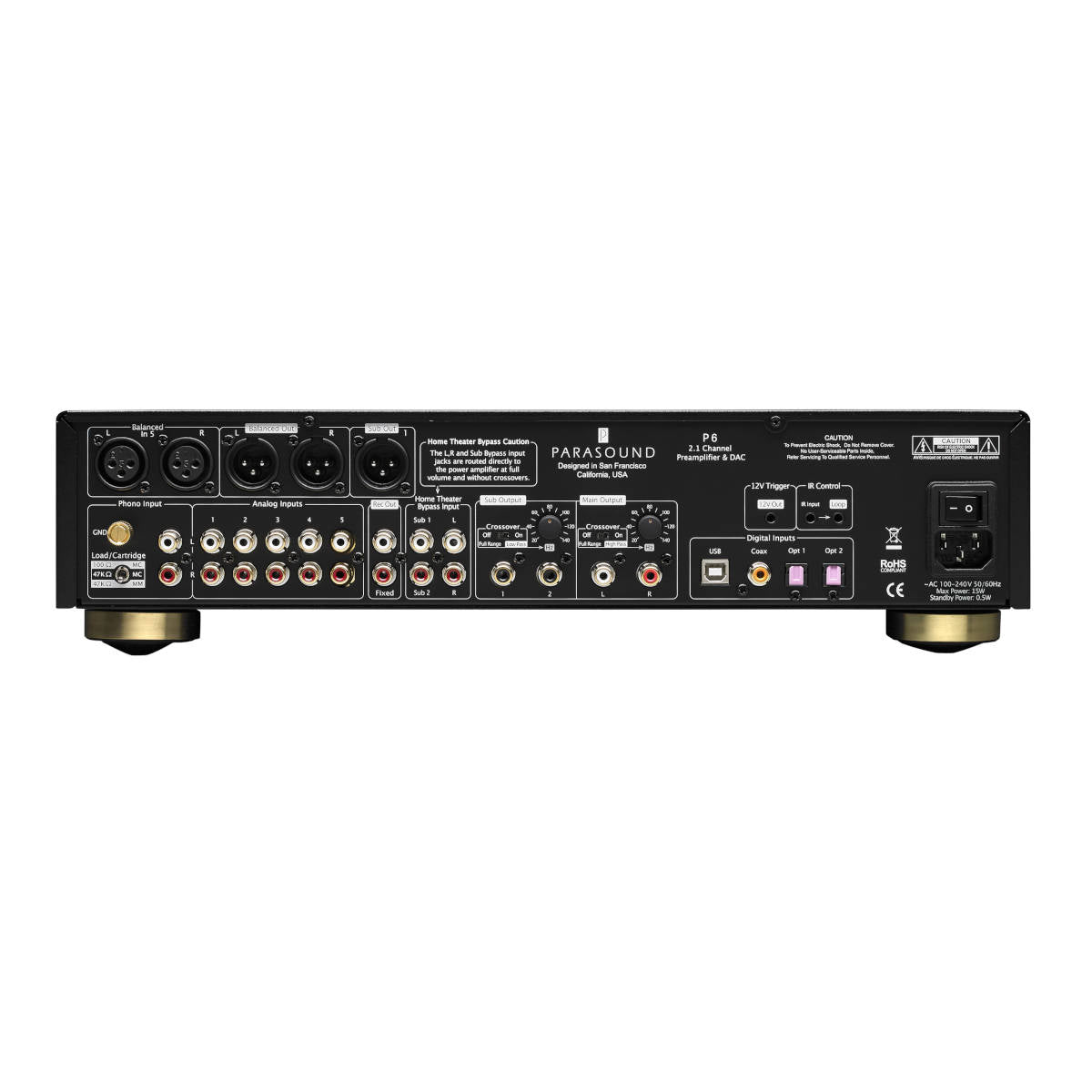
A pre-amplifier is also known as a control amplifier because it’s where all components are connected and controlled.
Some of the things you should look for in a pre amplifier are:
- Check if you need one, two, eight, or more channels
- Things like onboard digital conversion can be really useful for 8-channel preamps
- Look at the circuit design (tube or solid-state preamps)
- Check all the connections for compatibility. Make sure your preamp is compatible with your other equipment
- Look for a pre-amp that combines strong construction with support for the latest in entertainment
A word on increasingly popular Bluetooth Preamplifier
Bluetooth preamplifiers are apt for use in home, stage, theatre and so on.
They are compact, portable and offer huge convenience. Additionally, the bluetooth preamplifier price point is attractive too.
It is a good idea to invest in a bluetooth preamp. The simplicity of design and multiple functions can create a lifestyle for people where they don’t have to restrict themselves to stationary listening and being tied to one location because of the wire clutter.
Buy Best Pre-Amplifiers in India at Ease on Ooberpad
Looking for pre amplifier price in india? Your search for the best pre-amplifiers in India ends here!
Ooberpad has an expertly curated collection of pre-amplifiers from brands such as Rotel, Marantz, Denon, Yamaha, and our team of experts is constantly upgrading the collection.
Shop for the best products at the best price online and free shipping. It’s time to drop all your online shopping worries! Our experts are there to help you out.
Q. How to choose a Pre Amp?
A. Firstly, check if the model of the pre amplifier has a sufficient number of audio inputs to meet your needs. It would also be helpful to check the adequate number of audio outputs, gain level and functions like sound equalisation.
Besides, your budget should be a guiding factor too.
Want to buy a preamp with confidence? Reach out to our team Ooberpad so we can help you with your preamp purchase.
Frequently Asked Questions (FAQs)
Q. What are the uses of Pre Amplifiers?
A. Preamp takes care of preamplification, signal shaping, selection, and distribution.
Pre Amplifiers take an audio signal from an instrument or microphone, and give that signal sonic shape and definition before the signal is amplified for further audio processing or output through speakers, headphones, or other audio gear.
The pre-amplifier seamlessly handles switching between different line level sources and enhances the signal before sending it to the amplifier. The electrical signal becomes strong enough for additional processing, cleaner output and prevention of noise.
Q. Does preamp improve sound?
A. Essentially, a preamp amplifies a quiet signal to nice and friendly record-ready volumes.
They play a crucial role in creating quality sound and maintaining sound quality at high gain levels. A preamp will deliver a cleaner, more accurate signal, with higher gain, lower noise, less distortion, and more headroom.
Q. How do I know if I need a Preamp?
A. Most home cinema enthusiasts prefer a separate setup with both a pre-amplifier and amplifier because this ensures richer, fuller sound with minimal distortion. The higher gain and independent power supply per component provide the audiophile grade clean sound.
If you have several different sources to connect, such as a turntable, CD player or Network Audio player, then a pre-amplifier benefits you by providing proper signal routing, optimal performance and true audiophile sound.
Q. What are the types of Pre Amplifiers?
A. An important distinction between types of preamps available is whether they’re designed to add colour or deliver a transparent signal.
Both types meet a range of recording needs. A colour preamp adds body to a thin voice or instrument while the transparent preamp reproduces the original instrument or vocal sound, accurately.
Circuit design also determines the types of preamps. Tube preamps use thermionic/vacuum tubes to create gain.The solid-state preamp performs optimally and with minimal distortion at high levels of gain.
Additionally, there are digital preamps that could be considered digital interfaces, as they efficiently convert an analog signal to a digital signal for use in a DAW. Interestingly, also available are the various types of instrument-specific preamps.
Q. How to choose a Pre Amp?
A. Firstly, check if the model of the pre amplifier has a sufficient number of audio inputs to meet your needs. It would also be helpful to check the adequate number of audio outputs, gain level and functions like sound equalisation.
Besides, your budget should be a guiding factor too.
Want to buy a preamp with confidence? Reach out to our team Ooberpad so we can help you with your preamp purchase.
Q. What is a pre-amp? Do all amplifiers have pre-amps built into them?
A. A preamplifier, or preamp, is an electronic component that prepares a weak electrical signal for further amplification or processing. Its primary functions are to boost the signal strength and provide volume control without introducing significant noise or distortion. Preamps also often include input selection and sometimes tone controls. In audio systems, preamps serve several important roles.
1. Signal boosting: They amplify low-level signals from sources like turntables or microphones to a level suitable for power amplification.
2. Impedance matching: Preamps ensure proper electrical interfacing between different components in the audio chain.
3. Tone shaping: Many preamps offer equalisation controls to adjust bass, treble and sometimes midrange frequencies.
4. Source selection: They allow switching between multiple input sources like CD players, tuners, or streaming devices.
Not all amplifiers have built-in preamps. There are three main categories of amplifiers in this context.
1. Integrated amplifiers: These combine a preamplifier and a power amplifier in one unit. They're popular for their convenience and space-saving design, offering a complete solution for many home audio setups.
2. Power amplifiers: These are standalone units that only amplify the signal to drive speakers. They require a separate preamplifier or source with volume control.
3. Preamplifiers: These standalone units handle signal processing and volume control but don't provide power amplification for speakers.
The choice between separate components (preamp + power amp) and an integrated amplifier depends on factors like budget, desired flexibility and performance requirements. Separate components often offer higher performance potential and allow for easier upgrades, while integrated amplifiers provide a more compact and often more cost-effective solution.
In professional audio and some high-end home systems, separate preamps and power amps are common. This allows for more specialised equipment choices and can potentially yield better sound quality. However, for many home users, a quality integrated amplifier provides excellent performance without the complexity of separate components.
While not all amplifiers include preamps, integrated amplifiers - which are very common in home audio setups - do combine both preamp and power amp functions in a single unit.
Q. What is a pre-amplifier?
A. A preamplifier/preamp is an electronic device used in audio systems to amplify weak electrical signals from various sources prior to sending them to a power amplifier or recording equipment.
It's a versatile component that is used in audio setups, especially in situations where the original signal is weak or needs additional processing before it can be further amplified.
Here are the key functions of a preamplifier:
Signal Amplification
Low Noise and Distortion:
Tone Control
Input Selection
Phono Preamp
Line-Level Signals
Impedance Matching
Volume Control
Recording and Mixing
Headphone Amplification
Q. What's the purpose of a pre-amplifier?
A. A preamplifier/preamp serves several important purposes in an audio or audio-visual system:
Signal Amplification: The main function of a preamplifier is to amplify weak audio signals. It takes the low-level audio signals generated by sources like microphones, musical instruments, or record players and boosts them to a level that can be processed and further amplified by power amplifiers or other components in the audio chain.
Signal Processing: Preamps mostly include various controls and adjustments to shape the audio signal. These may include volume control, tone control (bass and treble adjustments), balance control, and sometimes even equalisation (EQ) to fine-tune the sound quality.
Signal Switching: In many audio systems, a preamp can serve as a switching hub for multiple audio sources. It helps select different input sources (e.g., CD player, turntable, radio) and route the selected source to the power amplifier or receiver.
Impedance Matching: Preamps can match the impedance of the source component (e.g., a microphone) with the input impedance of the following equipment, such as power amplifiers or recording devices. This matching ensures that the maximum amount of signal is transferred minus any loss/distortion.
Noise Reduction: High-quality preamplifiers often incorporate features and circuitry to cut down the noise and interference in the audio signal. This is important when dealing with low-level signals, such as those from microphones.
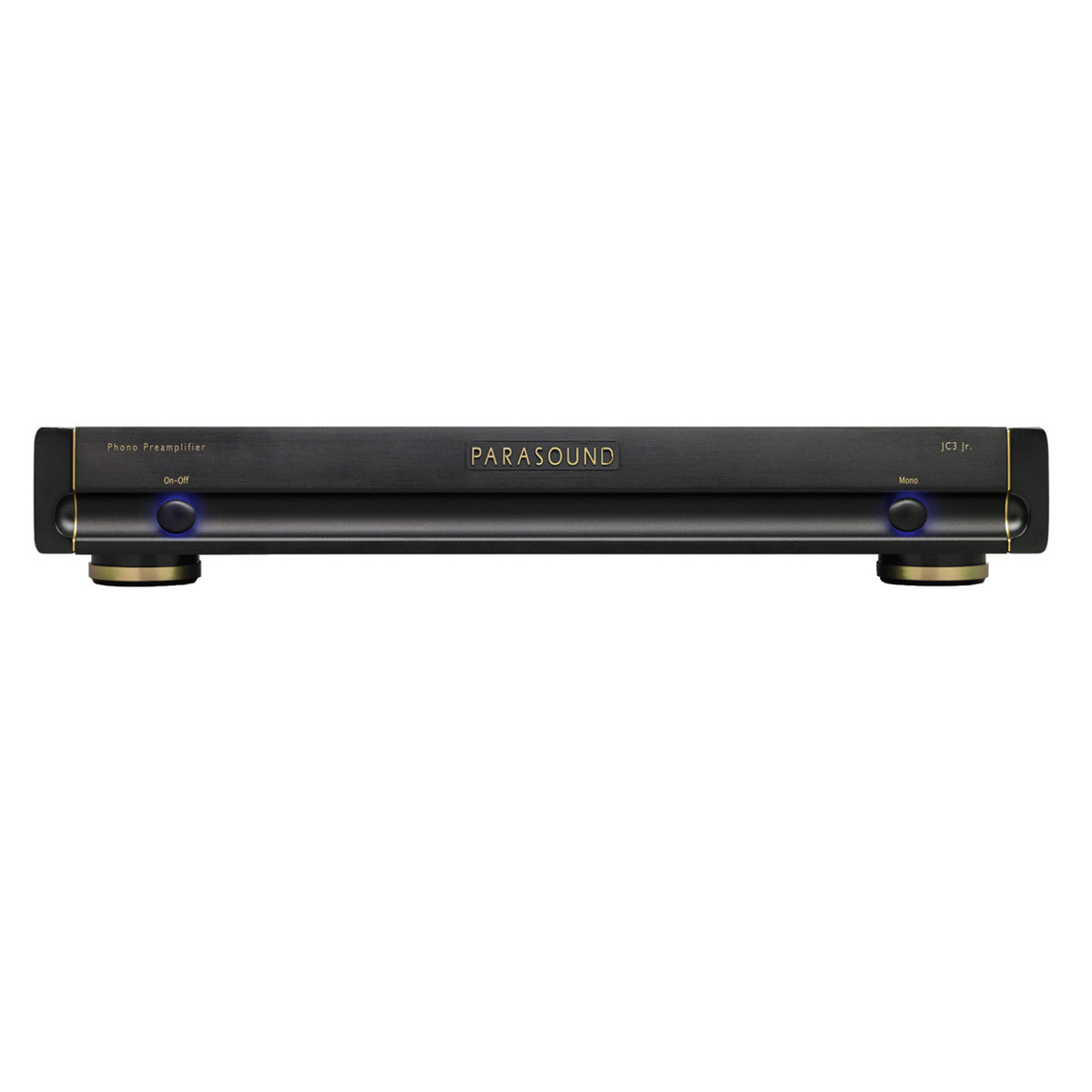
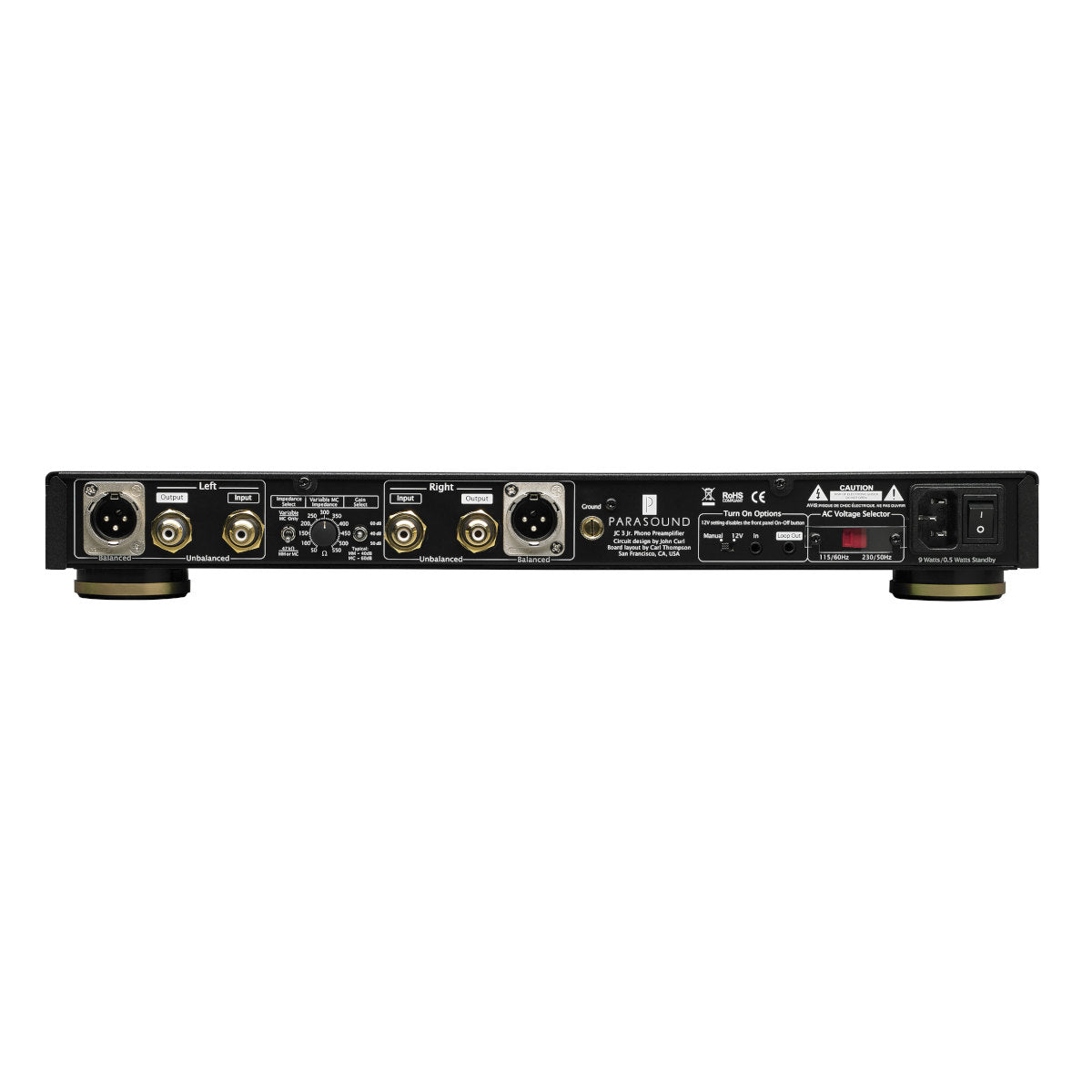
Phono Preamp: A specific type of preamplifier called a phono preamp (or phono stage) is used for turntables. It amplifies the very low-level signal generated by a phonograph cartridge, equalises the signal to compensate for the characteristics of vinyl records, and brings it up to a level suitable for further amplification.
Gain Control: Preamps give gain control, allowing you to adjust the level of the audio signal. This is useful when dealing with sources that have varying output levels or when you want to match the volume of different sources.
A preamplifier is a key component in audio systems because it boosts and processes audio signals, adjusts their characteristics and provides control over the source selection and signal level.
It plays a key role in shaping the sound quality and ensuring that audio signals are well-prepared for amplification or recording.
Related Blogs
What is a Pre-Out and What Are its Uses - A Complete Guide
Receivers can be complex devices where it can get difficult to track the specs and ports you require. Receivers can be confusing especially the feature of pre out amp. Looking to buy an A/V receiver?
Then it is imperative that you understand what a pre-out is and its high-utility features.
Getting to know the holy trinity of Home Theater Systems
When custom designing your home theatre system in India, it is valuable to know the differences between receivers and amplifiers and the role they play. Read on to find out more.

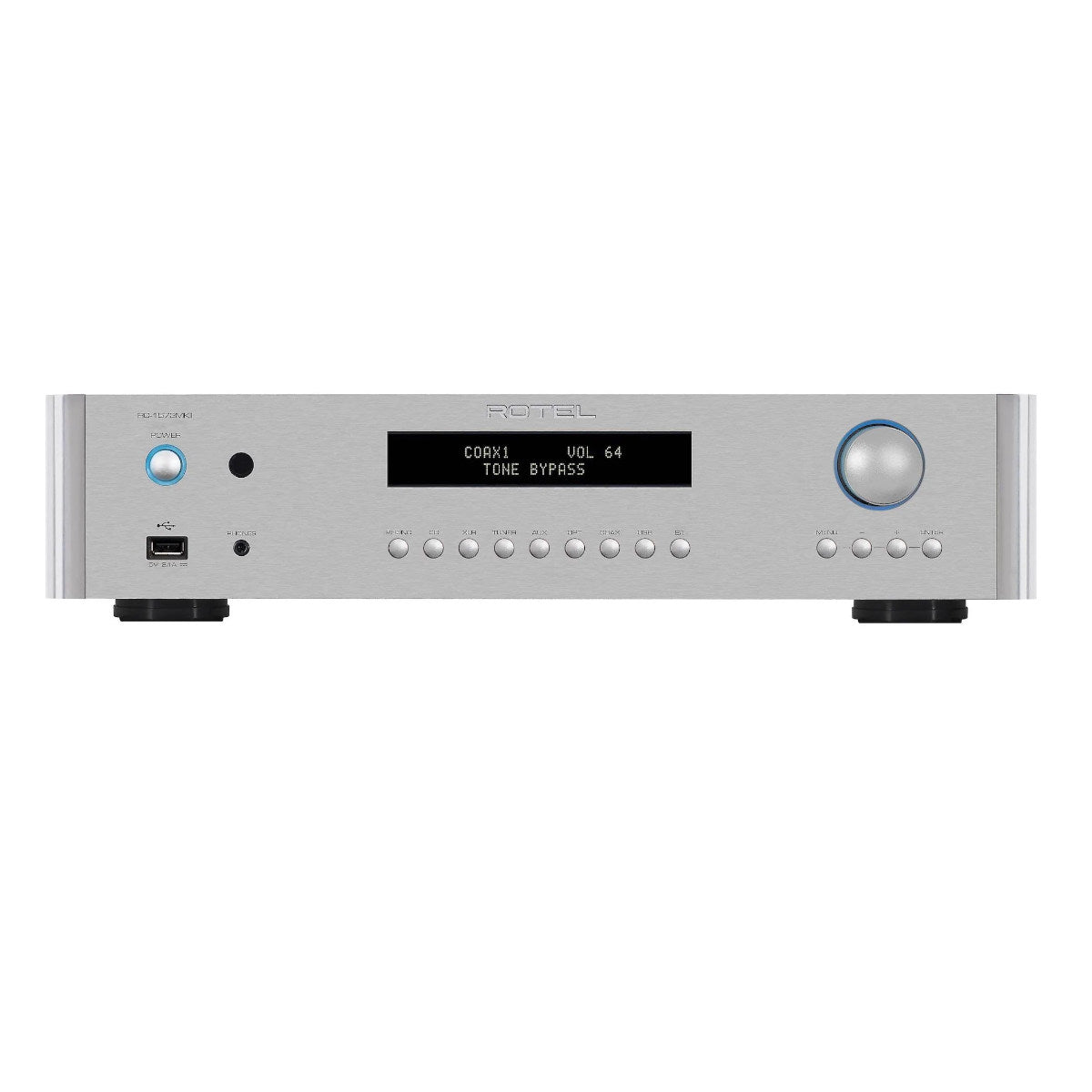
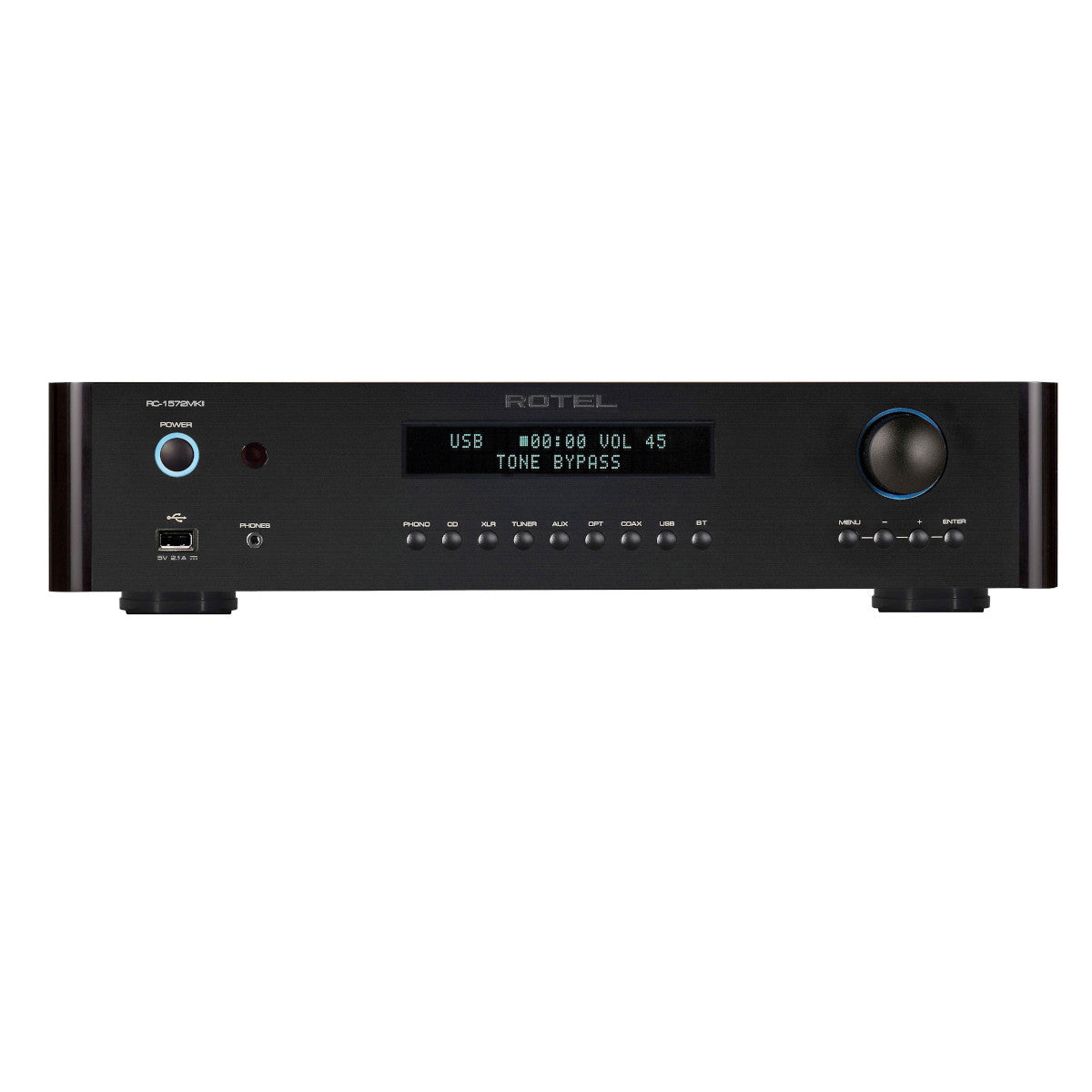 Vendor:Rotel